Filing a Roof Storm Damage Claim in DC: Homeowner’s Guide
Washington DC experiences its share of severe weather — from intense summer thunderstorms with hail and damaging winds to winter nor’easters and occasional tropical storm remnants. When a storm damages your roof in the District, filing an insurance claim involves navigating both standard insurance processes and DC-specific regulations. This homeowner’s guide walks you through every step of filing a roof storm damage claim in Washington DC.
Types of Storm Damage Common in Washington DC
Understanding the type of damage your roof has sustained helps you communicate effectively with both your insurance company and your roofing contractor: DC homeowners dealing with storm damage should request a free roofing estimate as a first step before contacting their insurance company.
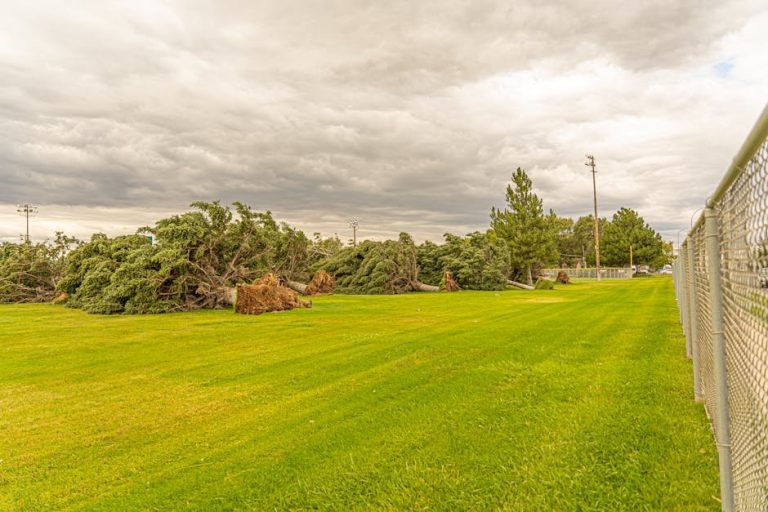
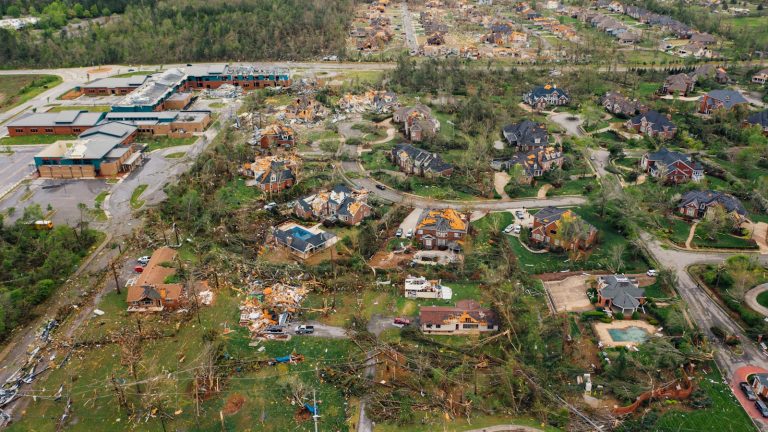
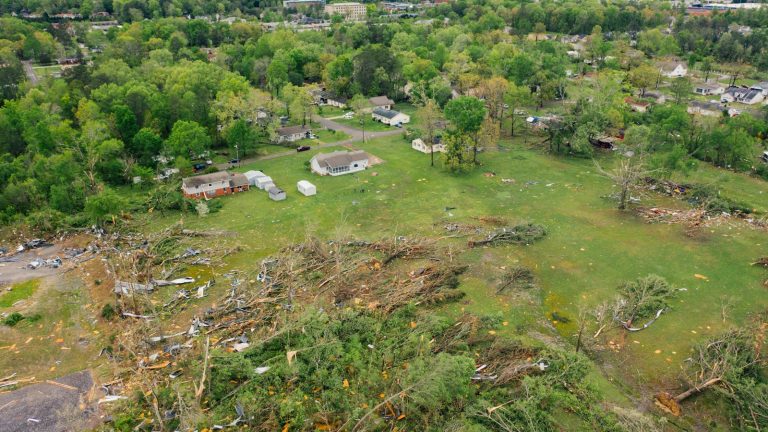
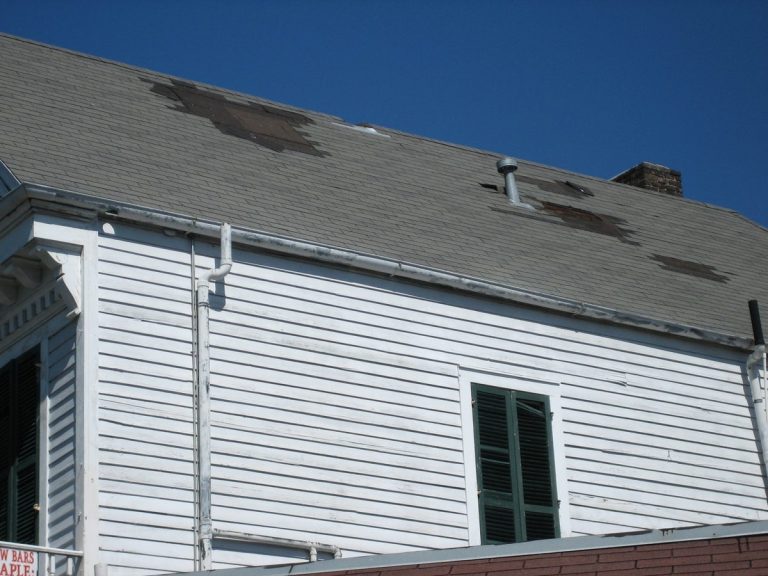
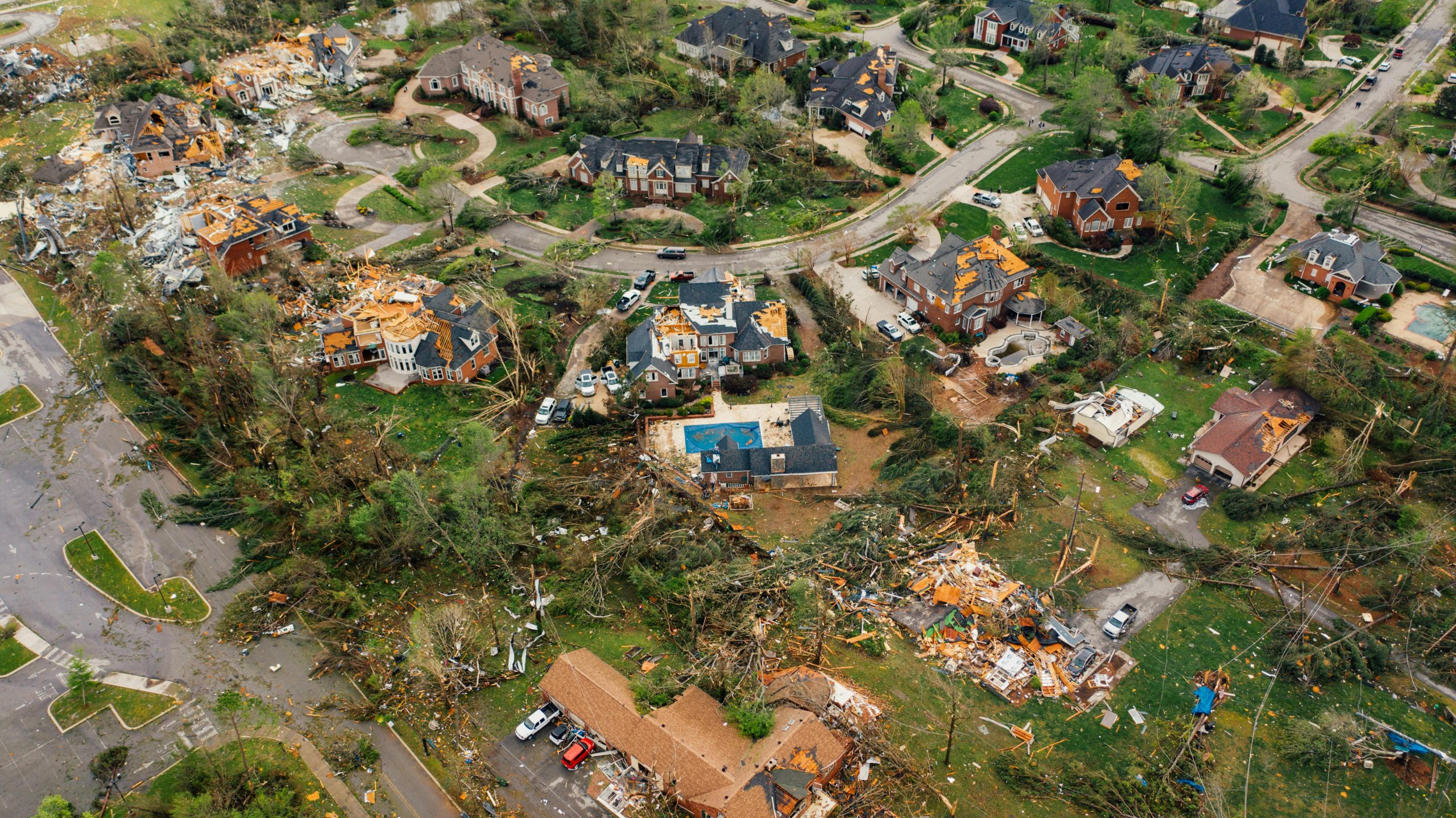
Wind damage: DC regularly sees thunderstorm winds exceeding 60 mph, particularly during summer derecho events. Wind damage presents as lifted, bent, or missing shingles, exposed underlayment, and damaged ridge caps. The June 2012 derecho is a reminder of how quickly wind can devastate DC roofs.
Hail damage: Hailstorms in the DC metro area can produce stones ranging from pea-size to golf ball-size. Hail damage on asphalt shingles appears as dark spots, bruises, cracked granules, and exposed fiberglass mat. On metal roofs, look for dents and dings.
Fallen trees and debris: DC’s mature tree canopy — particularly in neighborhoods like Cleveland Park, Chevy Chase DC, Foxhall, and Rock Creek Park — means falling branches and trees are a major source of roof damage during storms.
Water damage from wind-driven rain: Even without visible structural damage, wind-driven rain can penetrate compromised shingles and cause interior water damage. Check attics, ceilings, and walls for water stains after any significant storm.
Step 1: Secure Your Property and Document Damage
Safety comes first. After the storm passes, take these immediate actions:
Stay off the roof: Never climb onto a damaged roof. Assess damage from the ground or through attic inspection. If you see structural collapse or exposed electrical, call 911.
Photograph and video everything: Capture all visible exterior damage, interior water intrusion, and debris. Include wide shots and close-ups. Photograph damaged personal property as well — this may be covered under a separate part of your policy.
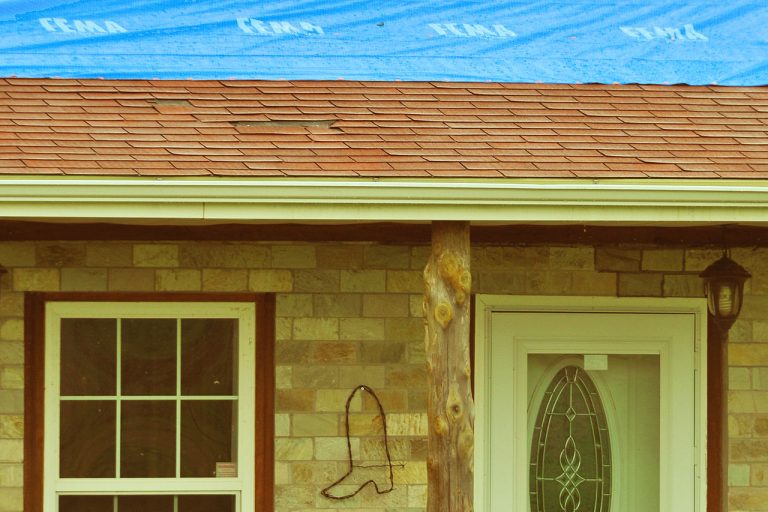
Make temporary repairs: Cover exposed areas with tarps to prevent further water intrusion. DC insurers require policyholders to mitigate further damage. Keep all receipts — emergency repair costs are reimbursable. Emergency tarping in DC typically costs $300–$700 due to access challenges with rowhouses and urban properties.
Step 2: File Your Insurance Claim Promptly
Contact your insurance company within 24–48 hours of the storm. Here’s what you need to know about the DC-specific process:
DC insurance regulations: The DC Department of Insurance, Securities, and Banking (DISB) regulates insurance companies operating in the District. Under DC Code § 31-2231, insurers must handle claims in good faith and cannot unreasonably delay or deny valid claims.
Your deductible: Standard DC homeowner’s policies typically have a $1,000–$2,500 deductible. Some policies — especially for properties near the Potomac or Anacostia waterways — may carry separate wind or flood deductibles.
Important distinction — flood vs. wind: Standard homeowner’s insurance does NOT cover flood damage. If storm flooding damaged your roof or home, you’ll need a separate NFIP (National Flood Insurance Program) or private flood policy. DC properties in FEMA flood zones along the Potomac, Anacostia River, and Rock Creek should verify their flood coverage before storm season.
Step 3: Get a Professional Roof Inspection
Before the insurance adjuster visits, have a licensed DC roofing contractor inspect your roof:
Why this matters: A qualified contractor can identify hidden damage — fractured shingle mats, compromised flashings around chimneys and parapets, and membrane punctures on flat roof sections. DC’s mix of flat-roofed rowhouses and steep-pitched Victorians presents unique damage patterns that generalist adjusters may miss.
What to expect: A reputable contractor will provide a free inspection with a detailed written report, including photos, measurements, and an itemized repair or replacement estimate. This report is your most valuable tool when negotiating with the insurance company.
Verify licensing: DC requires contractors to hold a Basic Business License (BBL) with appropriate trade endorsements. Verify at the DC Department of Consumer and Regulatory Affairs (DCRA) website or successor agency, the Department of Buildings (DOB).
Step 4: Work with the Insurance Adjuster
The insurer will send an adjuster to inspect your roof, usually within 7–14 business days:
Have your contractor present: This is critical. Your contractor can walk the roof with the adjuster, point out damage patterns, and ensure the full scope of damage is documented. Many DC roofing contractors offer this service at no additional charge.
Provide all documentation: Share your photos, videos, weather reports, and contractor inspection report with the adjuster.
DC rowhouse considerations: DC’s rowhouses present unique challenges for storm damage claims. Shared walls mean that roof damage on one unit can affect neighboring properties. Make sure the adjuster documents the full extent of damage including any party wall or parapet issues.
Step 5: Review, Negotiate, and Supplement
After the inspection, your insurer issues a settlement offer. Here’s how to ensure it’s fair:
Compare the numbers: Match the insurance estimate against your contractor’s quote. Items commonly missed or undervalued include: parapet wall flashing (very common on DC rowhouses), TPO/EPDM flat roof sections, ice and water shield per DC building code, code-required ventilation upgrades, disposal and dumpster fees (especially costly in DC due to parking constraints), and overhead and profit (O&P).
Submit a supplement: If the insurance payout doesn’t cover the full scope, your contractor can prepare and submit a supplement with detailed line items and supporting documentation. Supplements are standard practice — insurers expect them.
Depreciation recovery: If you have replacement cost coverage, the insurer initially pays actual cash value (minus depreciation). After repairs are completed, submit your final invoice and photos to recover the depreciation holdback.
DC-Specific Considerations for Storm Damage Claims
Several factors make DC storm damage claims unique compared to neighboring Maryland and Virginia:
Historic districts: If your home is in a DC historic district (Georgetown, Capitol Hill, Anacostia, LeDroit Park, Dupont Circle), the Historic Preservation Office (HPO) may require specific replacement materials. Insurance should cover the cost of code-compliant and historically appropriate materials — if they don’t, push back.
Permit requirements: The DC Department of Buildings requires permits for roof replacement. Your contractor must obtain permits before work begins, and the cost ($75–$250) should be included in the claim estimate.
Access and logistics: DC’s narrow streets, limited parking, and rowhouse density create logistical challenges that increase costs. These costs are legitimate claim expenses and should be reflected in your contractor’s estimate.
Condo and co-op considerations: Many DC properties are condos or co-ops. In these cases, the building’s master policy may cover the roof, while your individual HO-6 policy covers interior damage. Check with your HOA or co-op board to understand which policy applies.
Disputing a Denied or Underpaid Claim in DC
If your claim is denied or the payout is insufficient, DC homeowners have strong consumer protections:
Request re-inspection: Ask for a different adjuster to re-evaluate the damage with your contractor present.
Hire a public adjuster: Licensed by DC DISB, public adjusters advocate for homeowners. They typically charge 10–15% of the settlement and often secure significantly higher payouts.
File a complaint with DISB: The DC Department of Insurance, Securities, and Banking investigates consumer complaints. File online at disb.dc.gov.
Invoke the appraisal clause: Most policies include an appraisal provision for disputes about the amount owed. This can resolve disagreements without litigation.
Legal action: For significant underpayments, DC insurance attorneys can pursue bad faith claims. DC’s consumer protection laws provide strong homeowner protections.
Related Roofing Resources
- Whether homeowners insurance covers roof replacement
- Signs you need a roof replacement
- Deciding between roof repair and replacement
- How long roofs last in the Mid-Atlantic
- Best roofing materials for Mid-Atlantic weather
- The best time to replace a roof
Frequently Asked Questions
How do I file a storm damage roof claim in Washington DC?
To file a storm damage roof claim in DC, document all damage with photos and videos, then contact your insurance company to open a claim as soon as possible. Washington DC’s Department of Insurance requires insurers to handle claims fairly and promptly. Having a DC-licensed roofing contractor provide a written damage assessment before the adjuster visit can strengthen your claim significantly.
How long do I have to file a roof damage insurance claim in Washington DC?
In Washington DC, you should file your storm damage claim as soon as possible, ideally within 60 days of the event, though most policies allow up to one year. DC has strong consumer protection laws that require insurers to process claims within specific timeframes. Prompt filing also prevents disputes over whether additional damage occurred after the initial storm.
Will my insurance rates go up if I file a roof damage claim in Washington DC?
Filing a single storm damage roof claim in Washington DC typically does not significantly increase your rates, as DC regulators scrutinize rate increases closely. The District has consumer-friendly insurance regulations that limit the impact of weather-related claims on your premiums. However, multiple claims within a few years can still affect your insurability.
What does a roof damage insurance adjuster look for in Washington DC?
In Washington DC, adjusters inspect for wind-lifted shingles, hail impact marks, damaged flashing around chimneys and skylights, and compromised flat roof membranes common in DC row homes. They cross-reference damage with local weather data from National Weather Service reports. DC adjusters also check for maintenance issues or pre-existing damage that would not be covered under your policy.
Should I get a roofing contractor inspection before filing a claim in DC?
Yes, getting a DC-licensed roofing contractor to inspect your roof before filing is a smart strategy. DC row homes and older properties can have complex roofing issues that require expert evaluation, and a professional report provides critical documentation. This is especially important in DC where flat roofs are common and storm damage can be harder to spot from the ground.
Frequently Asked Questions
How do I know if my roof has storm damage in Washington DC?
Signs of storm damage on DC roofs include missing or displaced shingles, dented metal components, water stains on interior ceilings, and debris accumulation. DC’s mix of flat and pitched roofs on row homes makes damage patterns unique — flat roofs may show pooling water or membrane tears after storms. Have a licensed DC contractor inspect your roof promptly, as damage can worsen quickly if left unaddressed.
How long do I have to file a roof damage claim in DC?
Most DC homeowner’s insurance policies require claims to be filed within one year of the damage, though you should report the damage as soon as possible. The DC Department of Insurance, Securities and Banking (DISB) regulates insurance practices and requires timely claims processing. Document everything immediately with dated photos and written notes about the storm event and visible damage.
Will my insurance cover the full roof replacement in Washington DC?
Your DC insurance coverage depends on your policy type — replacement cost value (RCV) policies pay for a new roof minus your deductible, while actual cash value (ACV) policies factor in depreciation. DC’s older housing stock means many roofs are past their expected lifespan, which can affect claim payouts. Review your policy carefully and consider requesting an RCV endorsement if you don’t already have one.
Should I get a roofing contractor inspection before filing a claim in DC?
Yes, a professional inspection before filing your DC claim is strongly recommended. A contractor with a valid DC Basic Business License can document damage thoroughly and provide an estimate that aligns with industry standards. This professional assessment gives you leverage when your insurance adjuster evaluates the claim and helps ensure all damage is accounted for.
What if my DC roof damage claim is denied?
If your DC roof damage claim is denied, request a written explanation and review it against your policy terms. You can file a complaint with the DC Department of Insurance, Securities and Banking (DISB), which investigates unfair claim practices. DC residents can also seek help from a public adjuster, hire an insurance attorney, or contact the DC Office of the Attorney General’s consumer protection division for additional support.
Frequently Asked Questions
How do I file a roof storm damage claim in Washington DC?
Document all damage with photos and video, contact your insurance company to open a claim, schedule a licensed contractor inspection, then meet with the insurance adjuster. DC’s urban environment means falling trees, wind-blown debris, and hail are the most common causes of roof damage. File within your policy’s deadline — typically one year.
How long does a DC roof insurance claim take to process?
Most DC roof damage claims take 30–60 days from filing to settlement, though complex claims can take longer. Your insurer must acknowledge your claim within a reasonable timeframe under DC insurance regulations. Having a contractor’s inspection report and detailed documentation ready speeds up the process significantly.
Should I use my DC contractor for the insurance claim process?
Yes, working with a licensed DC roofing contractor experienced in insurance restoration is highly recommended. They can document damage to insurance standards, provide accurate repair estimates, meet with your adjuster on-site, and ensure nothing is overlooked. Most offer free storm damage inspections.
What if my DC roof damage claim is denied?
Request the denial reason in writing, get an independent contractor assessment to challenge the findings, file a formal appeal with your insurer, or contact the DC Department of Insurance, Securities and Banking (DISB) for mediation assistance. You may also have the right to an independent appraisal under your policy terms.
Related Reading
Get a Free Roofing Estimate
Storm damage to your DC roof? The first step is a professional inspection from a licensed contractor who understands both DC’s building requirements and the insurance claims process. Get a free, no-obligation assessment today.