Virginia Storm Damage Roof Insurance Claims: What You Need to Know
Virginia homeowners deal with a wide range of severe weather — from hailstorms in the Shenandoah Valley to hurricane-force winds in Hampton Roads and nor’easters pounding Northern Virginia. When a storm damages your roof, navigating the insurance claims process can mean the difference between a fully covered replacement and thousands of dollars out of pocket. This guide covers everything Virginia homeowners need to know about filing a storm damage roof insurance claim in 2026.
Understanding Your Virginia Homeowner’s Insurance Coverage
Before you file a claim, it’s essential to understand what your Virginia homeowner’s insurance policy actually covers when it comes to storm damage:
Standard coverage: Most Virginia HO-3 policies cover roof damage from wind, hail, fallen trees, and lightning. These are considered “named perils” and are included in virtually all standard policies.
What’s typically NOT covered: Wear and tear, neglected maintenance, and gradual deterioration are not covered. If your roof was already in poor condition, the insurer may deny the storm claim or prorate the payout based on the roof’s age and condition.
Wind/hail deductibles: Most Virginia policies have a standard deductible of $1,000–$2,500. However, homes in coastal areas (Virginia Beach, Norfolk, Hampton Roads, and the Eastern Shore) may have separate wind or hurricane deductibles of 1–5% of the home’s insured value. On a home insured for $350,000, a 2% wind deductible is $7,000.
Replacement cost vs. actual cash value (ACV): A replacement cost value (RCV) policy pays to replace your roof at current prices. An ACV policy deducts depreciation based on your roof’s age. Check your declarations page — RCV is far more favorable for older roofs.
Step 1: Document the Storm Damage
Thorough documentation is the foundation of a successful insurance claim. Start immediately after the storm passes: Before starting the claims process, consider scheduling a free roofing estimate to get an independent assessment of the damage.
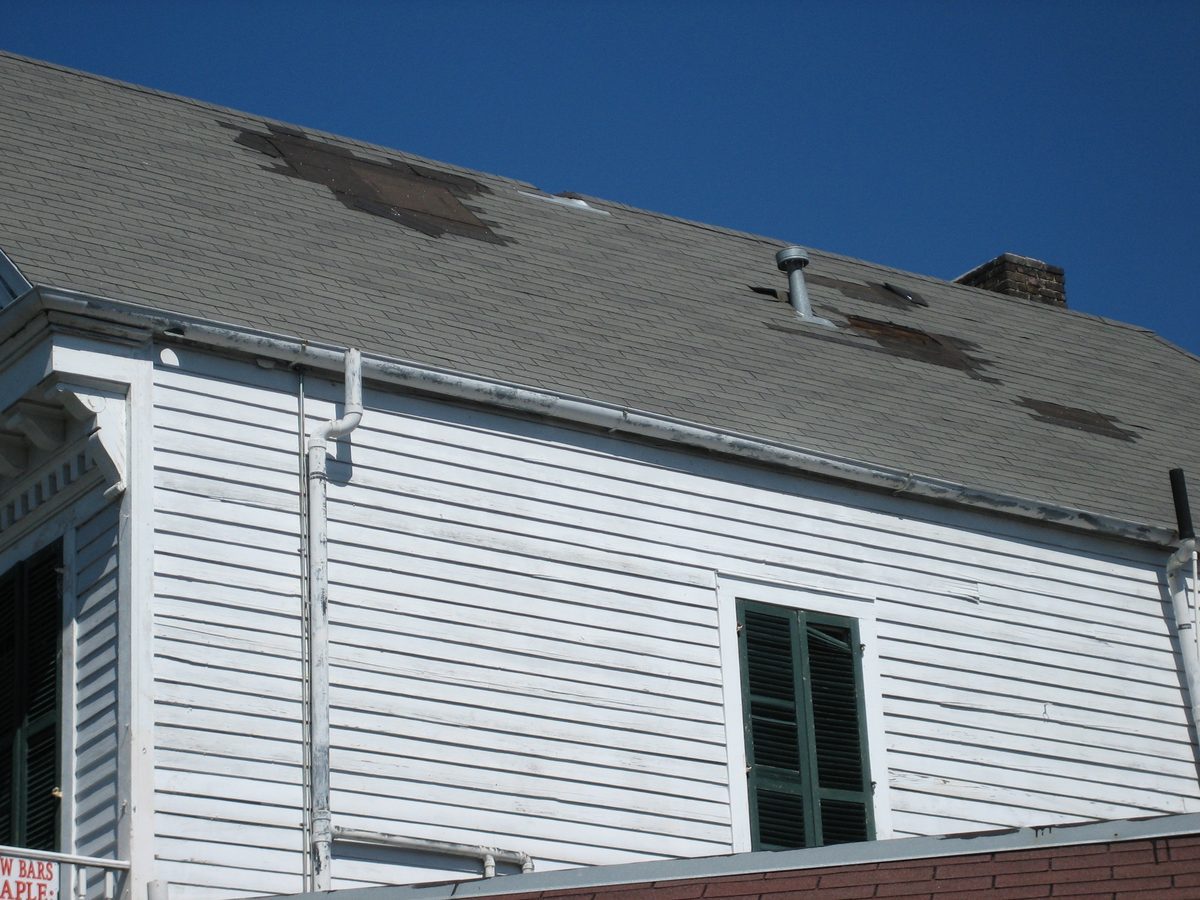
Photograph everything: Take wide-angle shots of your entire roof from the ground, close-ups of visible damage (missing shingles, dented gutters, broken flashing), and interior shots of any water stains or leaks. Use your phone’s timestamp and location features.
Record the storm details: Note the date, time, and type of storm. Check the National Weather Service for official reports, which provide evidence of hail size and wind speeds in your area. Virginia’s most damaging storms typically include spring/summer severe thunderstorms (April–August), tropical systems and hurricanes (June–November), and winter nor’easters (November–March).
Check all exterior surfaces: Don’t just look at the roof — inspect siding, window screens, deck railings, HVAC units, and vehicles for hail or wind damage. Collateral damage strengthens your claim by proving storm severity.
Step 2: Make Temporary Repairs
Virginia insurance policies include a “duty to mitigate” clause requiring you to take reasonable steps to prevent further damage:
Tarp exposed areas: Cover any holes or missing sections with tarps. Emergency tarping services in Virginia typically cost $200–$600 depending on the size of the area.
Keep all receipts: Emergency repair costs are typically reimbursable. Save receipts for tarps, plywood, buckets, and any emergency contractor visits.
Avoid permanent repairs: Do not authorize a full replacement until the adjuster has inspected the damage. Permanent repairs before inspection can void your claim.
Step 3: File Your Insurance Claim
Contact your insurance company within 24–72 hours of discovering the damage. Most Virginia insurers allow you to file claims by phone, online, or through their mobile app.
What to provide: Your policy number, date and description of the storm, a summary of the damage you’ve observed, and photos/videos.
Virginia regulatory timeline: Under Virginia Code § 38.2-510, insurers must acknowledge your claim within a reasonable time and cannot unreasonably delay investigation or payment. The Virginia Bureau of Insurance enforces these standards.
Get a claim number: Write down your claim number and the name of your assigned adjuster. You’ll reference these throughout the process.
Step 4: Hire a Licensed Virginia Roofing Contractor
Before the adjuster arrives, schedule a professional roof inspection with a licensed Virginia contractor:
Why it matters: A qualified roofer can identify damage that’s invisible from the ground — hairline hail fractures, wind-lifted shingle seals, and compromised flashing. Adjusters examine the entire property; roofers focus exclusively on the roof system.
Free inspections: Most reputable Virginia storm damage contractors offer free inspections. They’ll provide a detailed report with photos, measurements, and an estimate you can use to compare against the adjuster’s findings.
Verify their license: Virginia requires roofing contractors to hold a Class A, B, or C contractor’s license issued by the Department of Professional and Occupational Regulation (DPOR). Verify at dpor.virginia.gov. A Class A license is required for projects over $120,000; Class B for $10,000–$120,000; Class C for $1,000–$10,000.
Avoid storm chasers: After major storms in Virginia, out-of-state “storm chaser” companies flood the market. These companies often lack proper Virginia licensing, use subpar materials, and disappear before warranty issues arise. Always verify licensing and ask for local references.
Step 5: The Adjuster Inspection
Your insurance company will send an adjuster to inspect the damage, typically within 7–14 days of filing:
Be present: Have yourself or your contractor (ideally both) on-site during the inspection. Your contractor can point out damage the adjuster might overlook.
Provide your evidence: Share your photos, videos, contractor’s report, and any weather service documentation with the adjuster.
Watch what they document: Pay attention to what the adjuster notes. If they skip areas or dismiss damage, speak up and ask them to re-examine those spots.
Step 6: Review and Negotiate the Settlement
After the inspection, the insurer will issue a settlement offer — usually within 15–30 days. Review it carefully:
Compare estimates: Line up the insurer’s Xactimate report against your contractor’s estimate. Common items insurers undervalue or omit include: ice and water shield (required by Virginia code along eaves), drip edge and starter strip, ridge vent replacement, dump fees and disposal, overhead and profit (O&P) margin of 10–20%, and code upgrades required by the Virginia Uniform Statewide Building Code (USBC).
Submit supplements: If the insurance estimate falls short, your contractor can submit a supplement — a detailed, itemized request for additional funds. Supplements are a normal part of the process and are approved more often than not.
Recoverable depreciation: If you have an RCV policy, the insurer initially pays ACV (minus depreciation). After the work is completed, you submit proof of completion to recover the depreciation holdback. Don’t leave this money on the table.
What If Your Virginia Claim Is Denied or Underpaid?
If you’re unhappy with the outcome, you have several options under Virginia law:
Request re-inspection: Ask the insurer for a second adjuster to re-evaluate the damage, ideally with your contractor present.
Hire a public adjuster: Licensed by the Virginia Bureau of Insurance, public adjusters work for homeowners and typically recover 20–40% more than the initial offer. They charge 10–15% of the total settlement.
File a complaint: The Virginia Bureau of Insurance (part of the State Corporation Commission) investigates consumer complaints at scc.virginia.gov/boi.
Appraisal or mediation: Most Virginia policies include an appraisal clause. Either party can invoke it to resolve disputes over the amount owed. Each side hires an appraiser, and the two appraisers select an umpire to make a binding decision.
Virginia Storm Damage Hotspots
Certain Virginia regions face higher storm damage risk, which affects both insurance premiums and claim frequency:
Hampton Roads (Norfolk, Virginia Beach, Newport News): Highest hurricane and tropical storm risk. Separate wind deductibles are common. Homes within wind zones may require hurricane-rated roofing materials.
Northern Virginia (Fairfax, Arlington, Loudoun, Prince William): Frequent severe thunderstorms with hail and damaging straight-line winds. The dense suburban development means storm damage claims are extremely common.
Shenandoah Valley: Hail alley of Virginia. The valley geography channels storms and produces some of the largest hail events in the mid-Atlantic region.
Central Virginia (Richmond metro): A mix of severe thunderstorms and occasional tropical storm remnants. Standard deductibles typically apply.
Related Roofing Resources
- Richmond storm damage roof claims
- Virginia Beach storm damage claims
- Northern Virginia storm damage claims
- Whether homeowners insurance covers roof replacement
Frequently Asked Questions
How do I file a storm damage roof insurance claim in Virginia?
To file a storm damage roof claim in Virginia, document the damage thoroughly with photos and contact your insurance provider to open a claim. Virginia law requires insurers to begin investigating within a reasonable time after filing. It’s advisable to have a Virginia-licensed roofing contractor inspect the roof and provide a written estimate before the adjuster visits.
How long do I have to file a roof damage insurance claim in Virginia?
In Virginia, most homeowners insurance policies require claims to be filed within one year of the storm event, though many policies have specific deadlines stated in your contract. Virginia’s Bureau of Insurance recommends reporting damage promptly to protect your claim. Delayed reporting can weaken your case if additional damage occurs between the storm and your filing.
Will my insurance rates go up if I file a roof damage claim in Virginia?
In Virginia, a single weather-related roof claim generally has minimal impact on your insurance rates. Virginia insurers consider your overall claims history, and one storm damage claim is usually treated differently than at-fault claims. However, if you file multiple claims in a 3-5 year period, you may see rate increases at renewal.
What does a roof damage insurance adjuster look for in Virginia?
A Virginia insurance adjuster inspects for wind damage like lifted or missing shingles, hail impact marks on shingles and roof vents, damaged flashing, and compromised ridge caps. They compare the damage to National Weather Service storm reports for your Virginia locality. The adjuster will also note any pre-existing conditions or maintenance issues that are not covered.
Should I get a roofing contractor inspection before filing a claim in Virginia?
Absolutely — having a licensed Virginia roofing contractor inspect your roof before filing a claim gives you an independent professional assessment and detailed documentation. This is especially valuable because adjusters may miss hidden damage or underestimate repair costs. Virginia contractors familiar with local storm patterns can identify damage that might otherwise be overlooked.
Frequently Asked Questions
How do I know if my roof has storm damage in Virginia?
Common signs of storm damage in Virginia include missing or curled shingles, dented gutters and flashing, dark spots indicating granule loss, and cracked or split shingles. Virginia’s exposure to Atlantic hurricanes, severe thunderstorms, and occasional hail makes roofs particularly vulnerable. Schedule a free inspection with a licensed Virginia contractor to get a professional damage assessment before contacting your insurer.
How long do I have to file a roof damage claim in Virginia?
Virginia homeowner’s insurance policies typically require claims to be filed within one to two years of the damage event, depending on your specific policy terms. Virginia law requires insurers to act in good faith and process claims within a reasonable timeframe. Report damage to your insurance company as quickly as possible and keep all documentation, including dated photographs and contractor estimates.
Will my insurance cover the full roof replacement in Virginia?
Coverage depends on whether your Virginia policy provides replacement cost value (RCV) or actual cash value (ACV). RCV policies cover the full cost of a new roof minus your deductible, while ACV policies deduct for depreciation. Some Virginia insurers also apply cosmetic damage exclusions for hail, so review your policy carefully or ask your agent about your specific coverage terms.
Should I get a roofing contractor inspection before filing a claim in Virginia?
Absolutely — a pre-claim inspection from a licensed Virginia contractor (verify through DPOR) provides documented evidence of damage that strengthens your insurance claim. The contractor can identify damage you might miss from the ground and provide a professional estimate. This documentation is invaluable when meeting with your insurance adjuster and helps ensure nothing is overlooked.
What if my Virginia roof damage claim is denied?
If your Virginia insurance claim is denied, request a detailed written explanation from your insurer and consider getting a second opinion from an independent roofing inspector. You can file a complaint with the Virginia Bureau of Insurance if you believe the denial was unfair. Virginia consumers also have the option of hiring a public adjuster or consulting an attorney who specializes in property insurance disputes.
Frequently Asked Questions
How do I know if my Virginia roof has storm damage?
Check for missing, cracked, or curling shingles, dents on metal flashing or gutters (hail indicator), dark spots or bruising on shingles, and debris from fallen branches. Virginia’s mix of hurricanes, hail, and nor’easters can cause damage that isn’t obvious from the ground. Get a professional inspection after any severe weather event.
How long do I have to file a roof damage claim in Virginia?
Most Virginia homeowner’s policies require claims to be filed within one year, but some insurers impose shorter deadlines. File immediately after discovering damage. Virginia law prohibits insurers from denying claims solely based on the age of the roof if the damage was caused by a covered peril.
What if my Virginia roof damage claim is denied?
You can request a written explanation, get a second opinion from an independent roofing contractor, file an appeal with your insurer, or contact the Virginia Bureau of Insurance for assistance. Many Virginia roofers who specialize in insurance restoration can help you navigate the appeals process at no extra cost.
Do Virginia coastal wind/hail deductibles apply to my claim?
Possibly. Many Virginia policies — especially in Hampton Roads, Virginia Beach, and the Northern Neck — carry separate wind/hail deductibles of 1–5% of your dwelling coverage. On a $400,000 home, that’s $4,000–$20,000 out of pocket. Review your declarations page to understand your specific deductible structure.
Related Reading
Get a Free Roofing Estimate
If your Virginia roof has storm damage, the most important step is getting a professional inspection from a licensed contractor who understands the insurance claims process. A thorough inspection protects your interests and ensures nothing is missed.
Click here to schedule your free storm damage roof inspection →