Pittsburgh Storm Damage Roof Claims: Insurance Guide for Homeowners
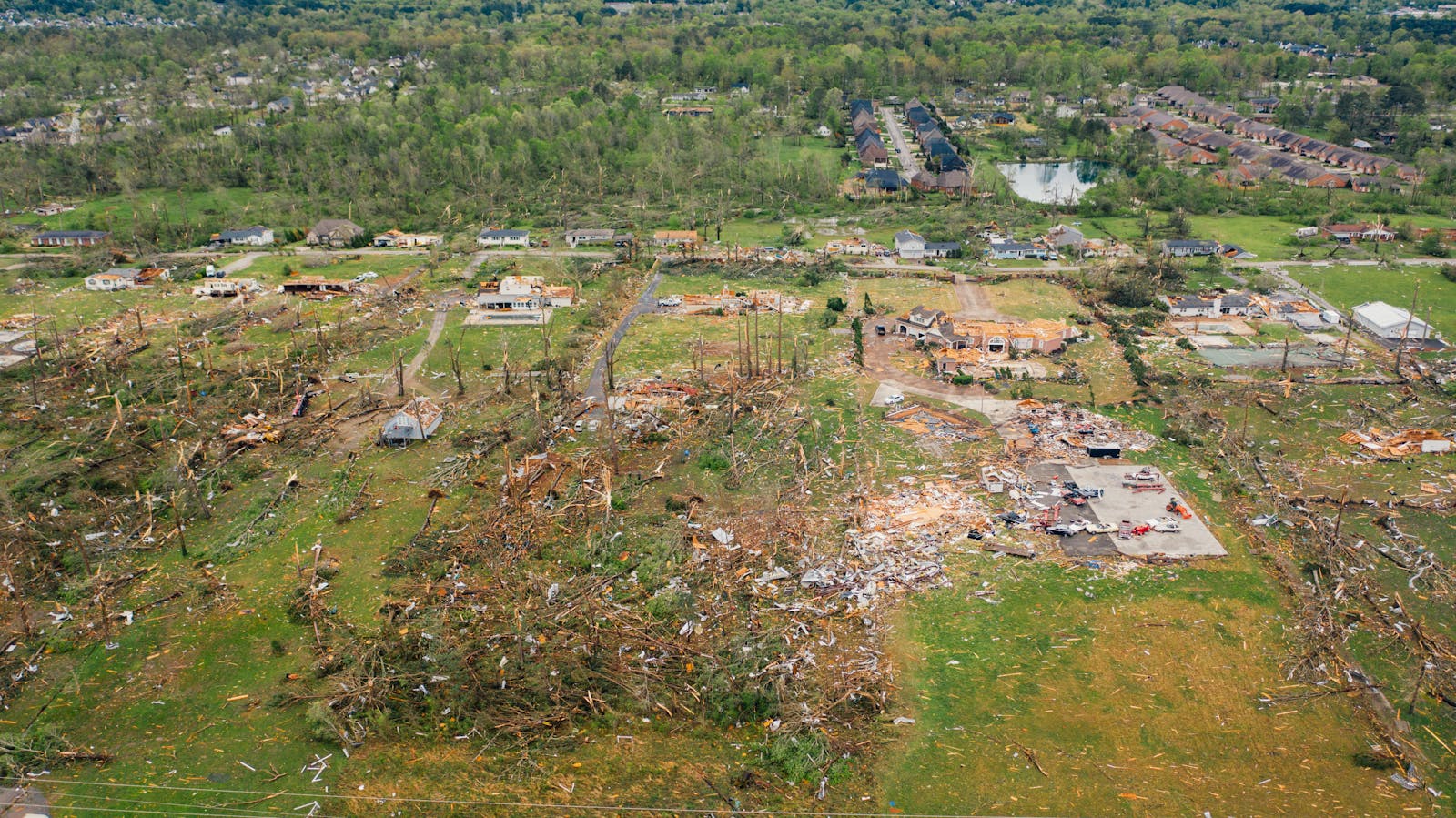
When a late-June supercell drops golf-ball hail across the South Hills and straight-line winds rip through Lawrenceville, Pittsburgh homeowners face a reality that western Pennsylvania knows too well — this region gets hammered by storms. Pittsburgh and its surrounding neighborhoods sit in one of Pennsylvania’s highest hail-frequency zones, and the city’s hillside terrain creates wind patterns that amplify roof damage beyond what flatter areas experience. If a storm just damaged your roof, filing a hail and wind damage roof claim in Pennsylvania correctly from the start protects your home and your wallet.
Common Storm Damage Types in Pittsburgh
Western Pennsylvania averages more hail events per year than any other part of the state. Pittsburgh homeowners in neighborhoods like Mount Lebanon, Bethel Park, and Ross Township deal with hail damage repeatedly. Stones don’t need to be large — even penny-sized hail cracks aged shingles, dislodges protective granules, and creates weak points that leak during the next rain.
Wind damage hits Pittsburgh differently than most cities. The steep-pitch hillside homes throughout neighborhoods like Troy Hill, Polish Hill, and the slopes of Mount Washington face severe wind uplift. Wind doesn’t just blow across these roofs — it accelerates up the hillsides and catches under shingle edges with extra force. Ridge caps, hip shingles, and exposed flashing take the worst beating. After a strong storm, entire sections of shingles can peel back on hillside-facing roof planes.
Thunderstorm downbursts and microbursts are common in the Pittsburgh metro during summer months. These short-lived wind events pack gusts above 70 mph and concentrate damage in narrow corridors. One block gets devastated while the next looks untouched. This pattern complicates insurance claims because adjusters sometimes question damage severity when neighboring homes appear fine.
Fallen trees and heavy debris cause major damage in Pittsburgh’s tree-dense neighborhoods. Squirrel Hill, Point Breeze, and Highland Park have mature hardwood canopies that shed massive limbs during storms. A single oak branch can punch through a roof deck, destroy a dormer, and open up the interior to water damage within minutes.
Ice storms create a fifth damage vector during Pittsburgh winters. Freezing rain coats everything, and the weight of ice buildup bends gutters, cracks ridge vents, and can pull fascia boards away from the roofline. Homes on north-facing slopes hold ice longer, extending the damage window.
How to Document Roof Storm Damage for Your Insurance Claim
A strong storm damage roof claim in Pittsburgh starts with documentation gathered within 24 hours. Here’s the process that gives you the best chance of full approval.
Step 1: Photograph exterior damage from the ground. Walk all four sides of your home. Capture missing or displaced shingles, dented gutters, broken soffits, and any debris on or around the roof. Wide shots plus close-ups. Use your phone’s timestamp.
Step 2: Check inside. Inspect your attic with a flashlight — look for daylight through the deck, wet insulation, or water tracks on rafters. Check ceilings and walls on every floor for stains or bubbling paint. Photograph everything.
Step 3: Pull the weather report. The National Weather Service Pittsburgh office issues storm summaries with hail sizes, wind speeds, and damage reports by county. Download the report for your date and zip code. This proves a qualifying event hit your area.
Step 4: Get a professional inspection. A licensed roofing contractor catches damage you can’t see — bruised shingles, cracked boots, compromised flashing seams. Their written report with photos gives you independent evidence separate from your insurer’s adjuster.
Step 5: File immediately. Call your insurer within 48 hours. Pennsylvania doesn’t set a statutory filing deadline, but your policy requires prompt notice. The Pennsylvania Insurance Department handles disputes if your claim stalls or gets denied unfairly.
If active leaks threaten your interior, arrange emergency roof tarping after storm damage before waiting for your adjuster. Your policy covers reasonable emergency mitigation.
Storm hit your Pittsburgh roof? Get a free roofing estimate from a contractor who understands western PA’s unique roofing challenges.
What Your Homeowners Insurance Covers — and What It Doesn’t
Standard HO-3 policies in Pennsylvania cover sudden storm damage — hail, wind, fallen trees, lightning strikes. Your insurer pays for repair or replacement minus your deductible.
Pittsburgh’s most common denial involves wind uplift damage on steep-pitch hillside homes. Adjusters sometimes classify lifted or curled shingles as “aging” rather than storm damage, especially on older roofs. The distinction matters: storm-caused uplift shows clean separation at nail lines, while age-related curling shows gradual deformation across the shingle body. Your contractor’s inspection report should document these differences clearly.
Percentage-based wind/hail deductibles are spreading in the Pittsburgh market. A 2% deductible on a $250,000 home means $5,000 out of pocket before coverage starts. Check your declarations page — many homeowners discover this only after filing.
Pittsburgh’s river valleys create flash flood risk that standard policies don’t cover. Homes along the Allegheny, Monongahela, and Ohio rivers need separate NFIP flood insurance. Storm surge from heavy rain backing up through storm sewers also isn’t covered under standard homeowners policies.
Cosmetic damage exclusions now appear in some Pennsylvania policies. If your insurer applies this clause, hail damage that only affects appearance — not immediate function — may not be covered. This is worth checking before storm season hits.
How to Find a Storm Damage Roofing Contractor in Pittsburgh
Pittsburgh sees waves of out-of-state storm chasers after every major hail event. They canvass neighborhoods door to door, offering quick repairs and handling your “entire claim.” In 36 years of roofing across the Mid-Atlantic, I’ve seen this story end badly more times than I can count.
Pennsylvania requires roofing contractors to register with the Home Improvement Contractor (HIC) program through the Attorney General’s office. Verify this registration before signing anything — it’s your baseline protection.
Pittsburgh’s terrain demands specific contractor experience. Steep-slope work on hillside homes requires different safety equipment, staging approaches, and flashing techniques than standard suburban roofs. Ask contractors specifically about hillside roofing experience in Pittsburgh. References from jobs in Mount Washington, Troy Hill, or the South Side Slopes tell you they can handle the work.
Verify general liability and workers’ compensation insurance. Request certificates and confirm them directly with the insurer. Never sign an Assignment of Benefits (AOB) that hands your claim over to the contractor. Keep negotiating power with your insurance company.
Red flags in Pittsburgh: contractors without a local address, anyone offering to waive your deductible (that’s fraud in Pennsylvania), and high-pressure tactics demanding you sign before your adjuster visits.
Timeline: From Storm to Settled Claim
Here’s what to expect for a storm damage roof claim in Pittsburgh under Pennsylvania insurance timelines.
Day 1-2: Document and file. Pennsylvania requires insurers to acknowledge claims within 10 working days.
Day 3-15: Adjuster inspects. After widespread hail events in western PA, adjusters face heavy backlogs. Budget two weeks for the inspection.
Day 15-30: Initial estimate arrives. Compare against your contractor’s scope. Differences are normal — push for a re-inspection if the gap is significant.
Day 30-45: Negotiation and agreement. Most disputes settle when your contractor meets the adjuster on the roof.
Day 45-90: Repairs completed and final payment issued. Pennsylvania mandates prompt payment of undisputed amounts.
File a complaint with the Pennsylvania Insurance Department if your insurer misses any of these windows.
Related Roofing Resources
- Philadelphia storm damage roof claims
- Lehigh Valley storm damage claims
- Whether homeowners insurance covers roof replacement
Frequently Asked Questions
Does Pittsburgh’s hillside terrain affect my roof insurance claim?
Yes. Steep-pitch roofs on hillsides face greater wind uplift exposure, which means more frequent damage. However, some insurers argue hillside homes have “inherent wind exposure” and try to classify damage as expected wear. A contractor experienced with Pittsburgh hillside roofs can document that storm winds — not normal conditions — caused the damage.
How often does Pittsburgh get hail severe enough to damage roofs?
Western Pennsylvania averages several significant hail events each year, with the heaviest concentration from May through August. The Pittsburgh metro regularly appears in NOAA severe weather reports for hail. Even modest hail events damage aging shingles that have lost granule density over time.
Should I file a claim for wind damage to just a few shingles?
It depends on your deductible and the hidden damage underneath. Wind that lifts visible shingles often compromises the underlayment and deck beneath them. A professional inspection reveals whether the damage extends beyond what’s visible. If repairs exceed your deductible, filing makes financial sense.
What’s the difference between storm damage and normal roof aging in Pittsburgh?
Storm damage shows sudden, localized patterns — missing shingles along wind-facing planes, concentrated hail strikes, fresh granule displacement. Aging shows gradual, uniform deterioration across the entire surface. Your contractor documents these patterns to counter any wear-and-tear denial from your insurer.
For current pricing on full roof replacements in the Pittsburgh market, see our guide on roof replacement cost Pittsburgh.
Harrisburg homeowners in central PA face similar insurance rules with unique valley wind patterns — read our guide on storm damage roof claims in Harrisburg for the central PA perspective.
Storm damage spreads fast once water finds its way in, and Pittsburgh’s frequent rain gives it every opportunity. If your roof took a hit, get a free roofing estimate and lock down repairs before the next system rolls through.