How to File a Storm Damage Roof Claim in Maryland (Step-by-Step)
When a severe storm damages your roof in Maryland, filing an insurance claim can feel overwhelming. Between documenting the damage, dealing with adjusters, and finding a reputable contractor, the process has many moving parts. This step-by-step guide walks Maryland homeowners through the entire storm damage roof claim process — from the first phone call to the final repair check — so you can maximize your payout and get your roof restored quickly. If you suspect storm damage, don’t wait—request a free roofing estimate to document the damage before filing your claim.
Step 1: Ensure Safety and Document the Storm
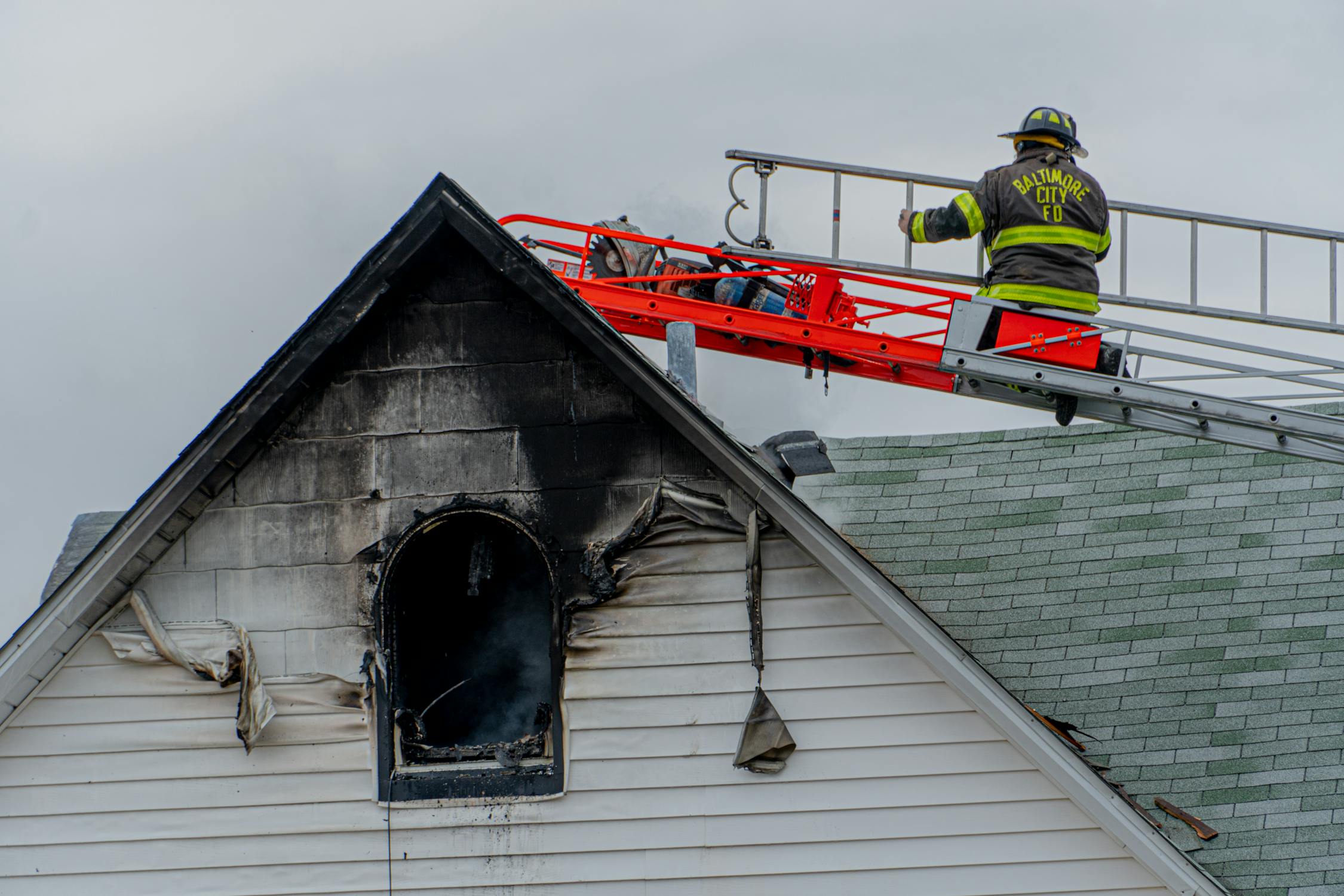
Immediately after a storm, your first priority is safety. Do not climb onto your roof or enter areas with visible structural damage. Here’s what to do right away:
Check for immediate hazards: Look for downed power lines, broken tree limbs, and water intrusion inside your home. If you see exposed wiring or major structural damage, call 911.
Document the date and weather: Note the date, time, and type of storm (hail, wind, tornado, hurricane). Check local news and the National Weather Service for official storm reports — these can support your claim. Maryland is particularly prone to severe thunderstorms from May through September, nor’easters in fall and winter, and occasional hurricane remnants.
Take photos and video immediately: Before any cleanup, photograph all visible damage from the ground — missing shingles, dented gutters, fallen debris, water stains on ceilings. Use your phone’s timestamp feature. The more documentation you have from the day of the storm, the stronger your claim.
Step 2: Prevent Further Damage (Temporary Repairs)
Maryland insurance policies require you to take reasonable steps to prevent further damage to your property. This is called your “duty to mitigate.” Failing to do so can reduce your payout.
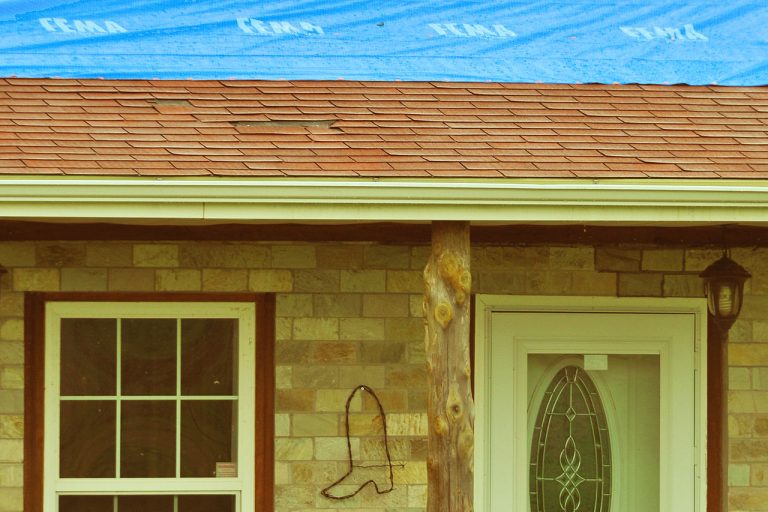
Cover exposed areas: Use tarps, plywood, or plastic sheeting to cover holes or missing shingles. Most contractors offer emergency tarping services for $200–$500.
Save all receipts: Any money you spend on temporary repairs is typically reimbursable under your policy. Keep receipts for tarps, buckets, and emergency contractor visits.
Don’t make permanent repairs yet: Wait until the insurance adjuster inspects the damage before authorizing a full roof replacement. Making permanent repairs before the inspection can jeopardize your claim.
Step 3: Contact Your Insurance Company
File your claim as soon as possible — ideally within 24–48 hours of the storm. Most Maryland homeowner’s insurance policies have time limits for reporting damage (typically 60–90 days, though sooner is always better).
What to tell them: Report the date of the storm, type of damage observed, and any emergency repairs you’ve made. Request a claim number and ask about your policy’s deductible and coverage limits.
Know your deductible: Most Maryland homeowner’s policies have a deductible of $1,000–$2,500 for wind and hail damage. Some policies in coastal areas (Ocean City, Annapolis, Chesapeake Bay shoreline) may have separate, higher wind/hurricane deductibles — often 1–5% of the home’s insured value.
Maryland-specific rule: Under Maryland Insurance Code, your insurer must acknowledge your claim within 15 days and make a decision within 45 days of receiving your proof of loss. If they drag their feet, you have recourse through the Maryland Insurance Administration (MIA).
Step 4: Get a Professional Roof Inspection
Before the insurance adjuster arrives, it’s wise to have an independent roof inspection from a licensed Maryland roofing contractor. Here’s why:
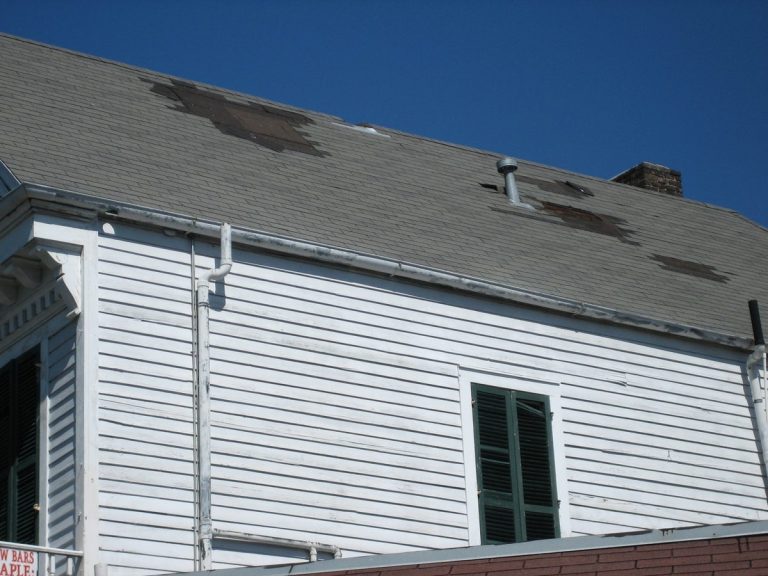
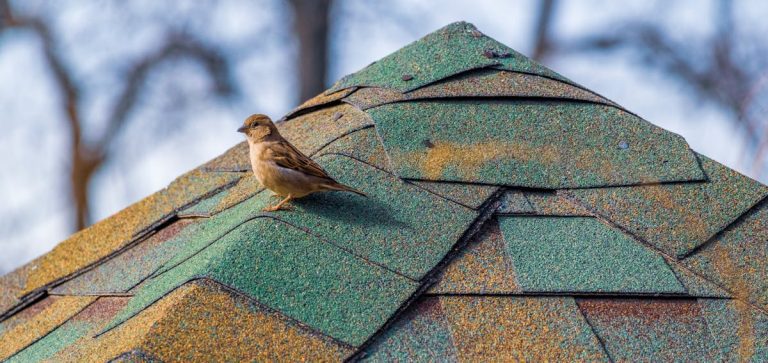
Contractors spot what adjusters miss: A qualified roofer knows how to identify hail bruises, wind creases, and granule loss that aren’t visible from the ground. Insurance adjusters are generalists — roofing contractors are specialists.
You’ll get a detailed damage report: A good contractor will provide a written inspection report with photos, measurements, and a repair estimate. This becomes your baseline for negotiating with the insurance company.
Most inspections are free: Reputable Maryland roofing contractors offer free storm damage inspections with no obligation. Be wary of any contractor who demands payment upfront for an inspection.
Where to verify: Confirm your contractor holds a valid Maryland Home Improvement Commission (MHIC) license at dllr.state.md.us/license/mhic.
Step 5: Meet with the Insurance Adjuster
Your insurance company will send an adjuster to inspect the damage, usually within 5–15 days of your claim. Here’s how to prepare:
Be present for the inspection: Always be home (or have your contractor present) when the adjuster visits. This ensures nothing is overlooked.
Have your contractor meet the adjuster: Many Maryland roofers will meet the adjuster on-site at no charge. Your contractor can point out damage the adjuster might miss and ensure the scope of work is accurate.
Share your documentation: Provide the adjuster with your photos, videos, and the contractor’s inspection report. The more evidence you have, the harder it is for the insurer to undervalue your claim.
Don’t accept a low-ball offer on the spot: The adjuster’s initial estimate is a starting point, not a final offer. If it seems low, you have the right to negotiate or request a re-inspection.
Step 6: Review the Insurance Estimate and Negotiate
After the inspection, your insurer will send a written estimate — often generated using Xactimate software. Review it carefully:
Compare line by line: Match the insurance estimate against your contractor’s quote. Look for missing items like ice and water shield, drip edge, starter strip, ridge cap, and flashing replacement.
Common underpayment areas: Insurers frequently undervalue or omit overhead and profit (O&P), code upgrades required by Maryland building code, and disposal/dump fees. A typical Maryland roof replacement should include 10–20% for O&P.
Request a supplement if needed: If your contractor’s estimate is higher than the insurance payout, your contractor can submit a “supplement” — a detailed request for additional funds to cover the full scope of work. This is standard practice in the industry.
Know your rights: Maryland law prohibits insurers from requiring you to use a specific contractor. You have the right to choose any licensed MHIC contractor.
Step 7: Approve the Work and Get Your Roof Replaced
Once you’ve agreed on the scope and funding with your insurer, it’s time to move forward with the replacement:
Sign a contract (not an AOB): Sign a standard repair contract with your chosen contractor. Be cautious of Assignment of Benefits (AOB) agreements, which transfer your insurance rights to the contractor. While not illegal in Maryland, AOBs can limit your control over the claim.
Understand the payment process: Insurance typically pays in two checks. The first check (minus your deductible) is issued after the claim is approved. The second check (called the “recoverable depreciation” or supplement payment) is issued after the work is completed and documented.
Permit requirements: Most Maryland counties require a building permit for roof replacement. Your contractor should handle this. Permit costs range from $50–$200 depending on the county. See our Maryland roof replacement cost guide for a full pricing breakdown.
What If Your Claim Is Denied?
If your insurance company denies your storm damage claim or significantly underpays, you have options in Maryland:
Request a formal re-inspection: Ask your insurer to send a different adjuster for a second look, especially if your contractor has documented damage the first adjuster missed.
Hire a public adjuster: A public adjuster works for you (not the insurance company) and can often secure a higher payout. They typically charge 10–15% of the settlement. Maryland requires public adjusters to be licensed through the MIA.
File a complaint with the Maryland Insurance Administration: If you believe your insurer is acting in bad faith, file a complaint at insurance.maryland.gov. The MIA investigates and can compel insurers to re-evaluate claims.
Consult an attorney: For significant disputes, a Maryland insurance attorney can help. Many work on contingency, meaning you pay nothing unless they recover additional funds.
Common Storm Damage in Maryland
Maryland’s weather creates specific types of roof damage that insurers cover:
Hail damage: Dents and bruises in shingles, cracked or missing granules, dented gutters and flashing. Hail storms are increasingly common across central Maryland, the I-95 corridor, and the Piedmont region.
Wind damage: Lifted, creased, or missing shingles. Maryland sees straight-line winds exceeding 60 mph during severe thunderstorms. The Eastern Shore and Chesapeake Bay regions are especially vulnerable.
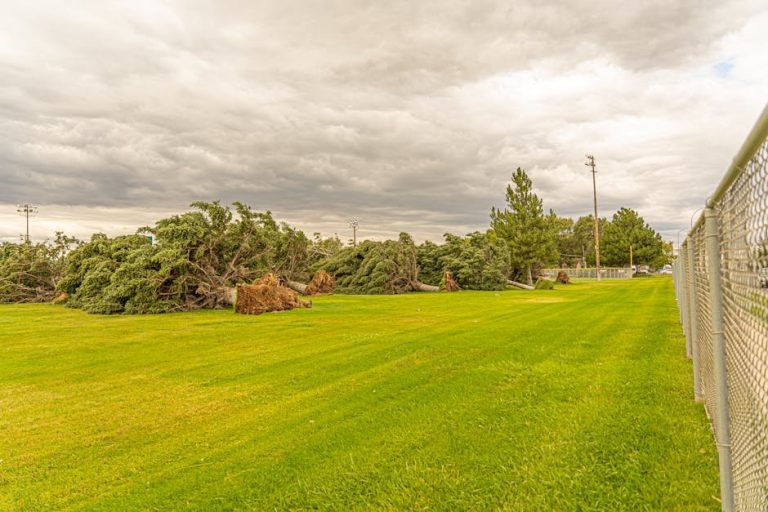
Fallen trees and debris: Maryland’s heavily wooded suburbs in Montgomery, Howard, and Baltimore counties frequently see tree damage during storms. Your homeowner’s policy typically covers damage from fallen trees.
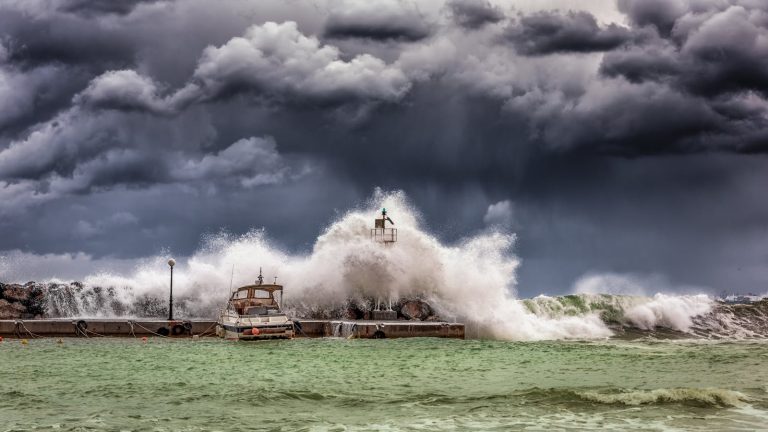
Hurricane and tropical storm remnants: While Maryland isn’t a primary hurricane target, remnants from Atlantic hurricanes regularly affect the state, bringing heavy rain, wind, and flooding. Coastal communities in Worcester and Somerset counties face the highest risk.
Related Roofing Resources
- Filing storm damage claims in Baltimore
- Annapolis storm damage roof claims
- Prince George’s County storm damage claims
- Whether homeowners insurance covers roof replacement
Frequently Asked Questions
How do I file a storm damage roof claim in Maryland?
To file a storm damage roof claim in Maryland, first document all visible damage with photos and video, then contact your insurance company’s claims department to report the damage. Maryland law requires insurers to acknowledge your claim within 15 days. Having a licensed Maryland roofing contractor inspect the damage beforehand strengthens your claim.
How long do I have to file a roof damage insurance claim in Maryland?
In Maryland, most homeowners insurance policies require you to file a claim within one year of the damage occurring, though you should report damage as soon as possible. Maryland’s Insurance Administration recommends filing promptly to avoid complications. Waiting too long can result in claim denial if the insurer argues additional deterioration occurred.
Will my insurance rates go up if I file a roof damage claim in Maryland?
Filing a single weather-related roof damage claim in Maryland typically does not cause a significant rate increase, as Maryland has regulations limiting surcharges for weather claims. However, filing multiple claims within a short period can affect your rates. Maryland law prohibits insurers from non-renewing a policy solely based on one weather-related claim.
What does a roof damage insurance adjuster look for in Maryland?
A Maryland insurance adjuster will inspect your roof for storm-related damage including missing or cracked shingles, hail dents on shingles and metal components, wind-lifted edges, and damage to flashing and gutters. They’ll compare the damage pattern to recent storm data for your area. Adjusters also check for pre-existing damage or wear that wouldn’t be covered.
Should I get a roofing contractor inspection before filing a claim in Maryland?
Yes, getting an independent inspection from a licensed Maryland roofing contractor before filing your claim is highly recommended. A contractor can identify all storm damage, including issues that aren’t visible from the ground, and provide a detailed damage report. This documentation gives you leverage if the insurance adjuster’s initial estimate seems too low.
Frequently Asked Questions
How do I know if my roof has storm damage in Maryland?
Look for missing or lifted shingles, dents in metal flashing or gutters, granule loss in downspouts, and any visible cracking or bruising on shingles after a storm. Maryland experiences frequent thunderstorms, hail, and nor’easters that can cause subtle damage not visible from the ground. A professional roofing inspection (often free) can identify hidden damage that supports your insurance claim.
How long do I have to file a roof damage claim in Maryland?
Most Maryland homeowner’s insurance policies require you to file a claim within one year of the storm event, though some policies have shorter deadlines. Maryland law under the Insurance Article requires insurers to acknowledge claims within 15 days and make a decision within a reasonable timeframe. Document damage immediately with photos and contact your insurer as soon as possible to avoid any issues with filing deadlines.
Will my insurance cover the full roof replacement in Maryland?
Whether your Maryland insurance covers the full replacement depends on your policy type. Replacement cost value (RCV) policies pay for a brand-new roof minus your deductible, while actual cash value (ACV) policies deduct depreciation based on roof age. Many newer Maryland policies include roof-specific endorsements, so review your declarations page or call your agent to understand your coverage.
Should I get a roofing contractor inspection before filing a claim?
Yes, getting a professional roofing inspection before filing your Maryland storm damage claim is highly recommended. A licensed Maryland contractor (verify through MHIC — Maryland Home Improvement Commission) can document all damage thoroughly and provide an estimate that supports your claim. Their detailed report gives your insurance adjuster a clear picture and can help ensure you receive fair compensation.
What if my Maryland roof damage claim is denied?
If your Maryland roof damage claim is denied, you have several options: request a written explanation from your insurer, get an independent inspection to counter their findings, or file a complaint with the Maryland Insurance Administration (MIA). Maryland law protects consumers from unfair claim denials, and the MIA can investigate on your behalf. You may also consider hiring a public adjuster or attorney who specializes in insurance disputes.
Frequently Asked Questions
How do I know if my roof has storm damage in Maryland?
Look for missing or lifted shingles, dents or bruising on shingles (from hail), exposed underlayment, damaged flashing around chimneys and vents, and granule accumulation in gutters. After a major storm, have a licensed Maryland roofing contractor perform a free inspection — they can spot damage that’s invisible from ground level.
How long do I have to file a roof damage claim in Maryland?
Most Maryland homeowner’s insurance policies require you to file a claim within one year of the damage occurring, though some policies have shorter windows. File as soon as possible after discovering damage — delays can result in claim denial. Document everything with photos and video immediately after the storm.
Will my Maryland insurance cover the full roof replacement?
If the damage is from a covered peril (wind, hail, fallen trees), your policy typically covers the full replacement minus your deductible ($1,000–$2,500 for most Maryland policies). Some older policies may pay actual cash value (depreciated) rather than replacement cost, which means a lower payout. Check your policy’s coverage type.
Should I get a contractor inspection before filing my Maryland roof claim?
Yes, strongly recommended. A licensed Maryland roofing contractor can document damage thoroughly, provide a professional repair estimate, and identify issues an untrained eye might miss. This documentation strengthens your claim and gives you leverage when negotiating with the insurance adjuster.
Related Reading
Get a Free Roofing Estimate
If your Maryland roof has been damaged by a storm, getting a professional inspection is the most important first step. A licensed contractor can assess the damage, provide documentation for your insurance claim, and guide you through the entire process.
Click here to get your free storm damage roof inspection today →