Pennsylvania Hail & Wind Damage Roof Claims: A Complete Guide
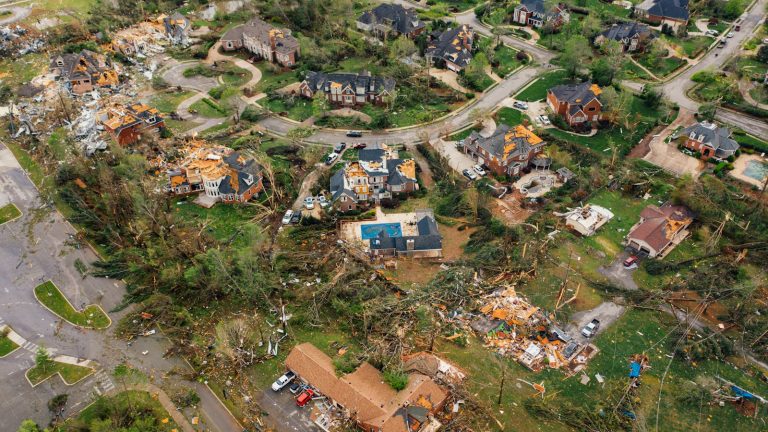
Pennsylvania ranks among the top states for hail and wind damage claims in the eastern United States. From severe summer thunderstorms rolling across the Susquehanna Valley to powerful winter nor’easters battering the Pocono Mountains, PA homeowners face roof damage risks year-round. If hail or wind has damaged your roof, this complete guide explains how to file a claim, what to expect from the process, and how to ensure you receive a fair settlement.
How Hail and Wind Damage Your Pennsylvania Roof
Understanding the damage helps you communicate with adjusters and contractors. Here’s what to look for: After a major storm, getting a free roofing estimate from a qualified contractor can help you understand the full extent of the damage.
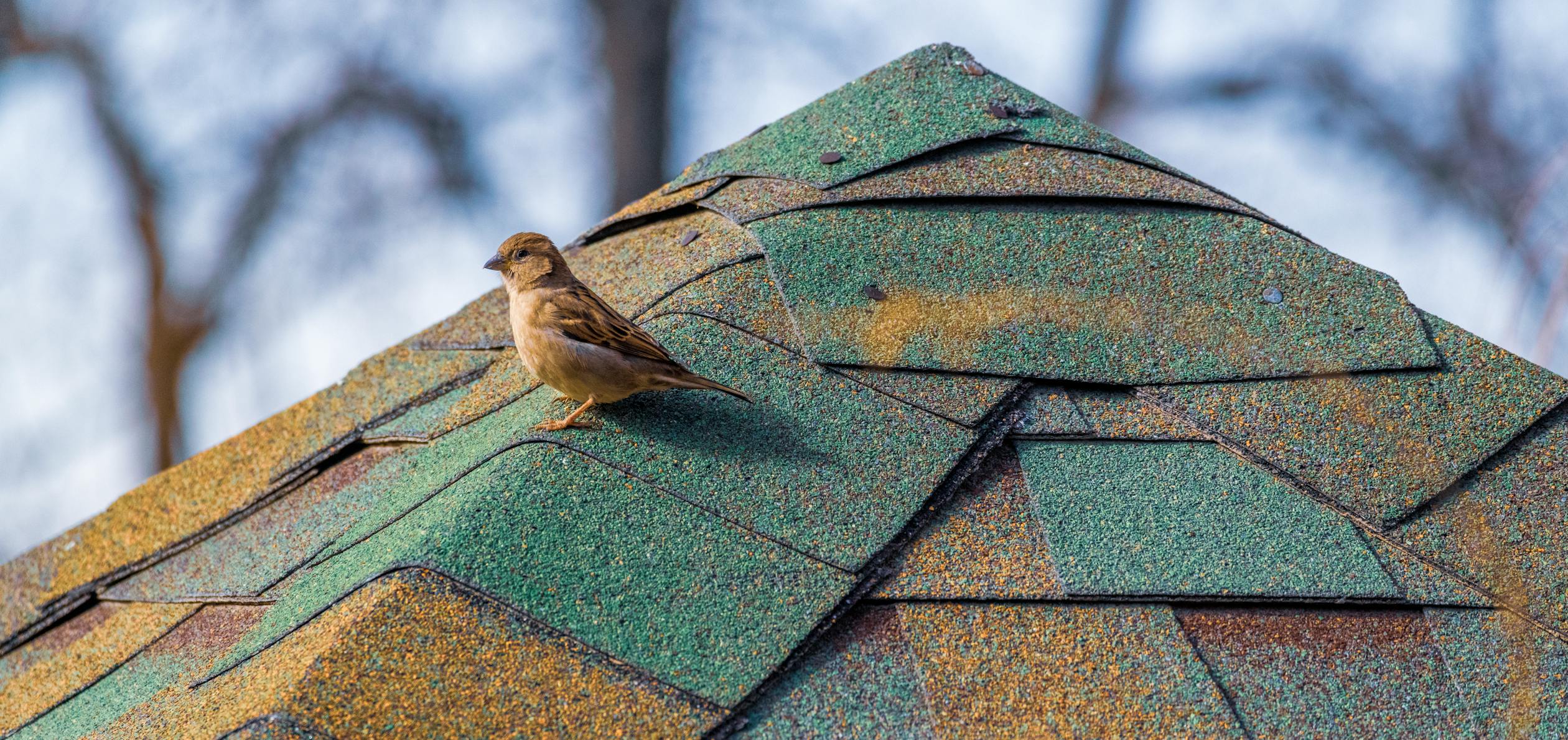
Hail damage on asphalt shingles: Hail creates dark circular bruises where granules are knocked loose, exposing the asphalt or fiberglass mat underneath. Severe hail can crack shingles entirely. Even small hail (1 inch or less) can cause functional damage that shortens your roof’s lifespan by years.
Hail damage on metal roofs: Dents and dings on metal panels, dented flashing, and cosmetic damage. While metal roofs withstand hail better than asphalt, significant denting can compromise the protective coating and lead to corrosion. Learn how to prepare your roof for hurricane season to reduce future damage.
Wind damage: High winds lift shingle tabs, break the seal strip adhesive, and in severe cases tear shingles completely off the roof. Architectural shingles rated for 130 mph winds can still sustain damage from microbursts and straight-line winds that commonly exceed those speeds in Pennsylvania.
Collateral damage indicators: Dented gutters, pockmarked siding, cracked window screens, and dings on outdoor AC units all indicate hail severity and support your roof damage claim.
Pennsylvania’s Hail and Wind Damage Hotspots
Some Pennsylvania regions are hit harder than others by severe weather:
Central PA (Harrisburg, Lancaster, York): The Susquehanna Valley channels severe thunderstorms, producing frequent hail events from May through August. Lancaster County consistently ranks among PA’s highest for hail claims.
Lehigh Valley (Allentown, Bethlehem, Easton): Positioned at the northern edge of the Mid-Atlantic storm track, the Lehigh Valley sees regular hail and wind events during spring and summer.
Philadelphia suburbs (Chester, Delaware, Montgomery counties): Dense development means high claim volumes even from moderate storms. The August 2023 hailstorm across the region generated thousands of roof claims.
Pittsburgh metro (Allegheny, Westmoreland, Washington counties): Frequent severe thunderstorms, particularly during the late spring and summer convective season.
Poconos and Northeast PA: A combination of high winds, heavy snow loads, and ice storms creates year-round roof damage risk.
Step-by-Step: Filing Your Pennsylvania Hail or Wind Damage Claim
Follow these steps to ensure a smooth and successful claims process:
1. Document immediately: As soon as it’s safe, photograph all visible damage — roof, gutters, siding, windows, vehicles, and any outdoor equipment. Take both wide-angle and close-up shots. Video walkarounds are valuable. Note the date, time, and weather conditions.
2. Make temporary repairs: Cover exposed areas with tarps. Pennsylvania policies require you to mitigate further damage. Emergency tarping typically costs $150–$500 in PA. Save all receipts for reimbursement.
3. File promptly: Contact your insurer within 24–72 hours. Under Pennsylvania’s Unfair Insurance Practices Act (40 P.S. § 1171.5), insurers must acknowledge claims within 10 business days and begin investigation within 15 days. Provide your policy number, storm date, and a description of the damage.
4. Schedule a contractor inspection: Have a licensed PA roofing contractor inspect your roof before the adjuster arrives. A detailed contractor report gives you a professional baseline for the claim. Most reputable PA contractors offer free storm damage inspections.
5. Meet the adjuster: Be present for the inspection, ideally with your contractor. Provide all documentation — photos, videos, contractor’s report, and weather service data showing hail size or wind speeds in your area.
Understanding Your Pennsylvania Insurance Policy
Key coverage details that affect your claim:
Deductibles: Most PA homeowner’s policies have a standard deductible of $500–$2,500. Some policies carry separate wind/hail deductibles, often 1–2% of the dwelling coverage amount. Check your declarations page before filing.
Replacement cost vs. ACV: Replacement cost value (RCV) policies pay to replace your roof at current prices. Actual cash value (ACV) policies deduct depreciation based on age and condition. RCV is significantly more favorable — if you have an ACV-only policy, consider upgrading at your next renewal.
Cosmetic damage exclusions: A growing concern in Pennsylvania — some insurers now include “cosmetic damage exclusions” that deny claims for hail damage that’s functional but doesn’t cause active leaking. Read your policy carefully. If you have this exclusion, you may want to request its removal or shop for a new policy.
Code upgrade coverage: Pennsylvania’s Uniform Construction Code (UCC) may require upgrades when you replace your roof (additional ice and water shield, improved ventilation, etc.). Make sure your policy includes “ordinance or law” coverage to pay for these code-required upgrades.
Negotiating Your Settlement
Insurance companies routinely underestimate storm damage claims. Here’s how to ensure a fair payout:
Review the Xactimate estimate: Most insurers use Xactimate software to generate repair estimates. Compare every line item against your contractor’s quote. Commonly missed items include: ice and water shield (required by PA code), starter strip and ridge cap, step and counter flashing replacement, pipe boot replacement, code-required ventilation, dump fees, and overhead and profit (O&P).
Submit supplements: If the insurance estimate falls short, your contractor can submit a supplement with supporting documentation. Supplements are standard — don’t hesitate to request additional funds for legitimate scope items.
Recover your depreciation: If you have RCV coverage, the insurer pays ACV first. After the work is completed, submit your contractor’s completion certificate and final invoice to recover the depreciation holdback. This can be thousands of dollars — don’t forget this step.
Typical PA storm damage roof replacement cost: A full roof replacement through insurance in Pennsylvania typically ranges from $8,000 to $15,000 for a standard home. Your out-of-pocket cost should be limited to your deductible if the claim is properly documented and negotiated.
When Your Claim Is Denied or Underpaid
Pennsylvania homeowners have strong protections when insurers act unfairly:
Request re-inspection: Ask the insurer to send a different adjuster, especially if your contractor has evidence of damage the first adjuster missed.
Hire a public adjuster: PA-licensed public adjusters work on your behalf and often secure 30–50% more than the initial offer. They typically charge 10–15% of the settlement.
File a complaint: The Pennsylvania Insurance Department investigates unfair claims practices. File online at insurance.pa.gov. The department has enforcement authority and takes consumer complaints seriously.
Invoke the appraisal clause: If you disagree on the amount owed (not whether the damage is covered), most PA policies allow either party to request an appraisal. Each side hires an appraiser, and a neutral umpire resolves the dispute.
Bad faith litigation: Under Pennsylvania’s bad faith statute (42 Pa.C.S. § 8371), homeowners can sue insurers who unreasonably deny or delay claims. Successful bad faith claims can result in the original amount owed, interest, punitive damages, and attorney fees.
Choosing the Right Pennsylvania Storm Damage Contractor
After a major hail or wind event, storm chasers flood Pennsylvania markets. Protect yourself by verifying:
• PA Home Improvement Contractor Registration — verify at attorneygeneral.gov
• General liability and workers’ compensation insurance
• Physical business location in Pennsylvania (not just a truck and a cell phone)
• Experience with insurance restoration work
• References from recent local storm damage projects
• Written contract detailing scope, materials, timeline, warranty, and payment schedule
Red flags: Contractors who demand large deposits before work begins, pressure you to sign an Assignment of Benefits (AOB), offer to “cover your deductible” (this is insurance fraud in Pennsylvania), or show up unsolicited the day after a storm.
Related Roofing Resources
- Philadelphia storm damage roof claims
- Pittsburgh storm damage roof claims
- Harrisburg storm damage roof claims
- Lehigh Valley storm damage claims
- Whether homeowners insurance covers roof replacement
Frequently Asked Questions
How do I file a hail or wind damage roof claim in Pennsylvania?
To file a hail or wind damage claim in Pennsylvania, document all damage with clear photos and contact your insurer to report the claim within a reasonable timeframe. Pennsylvania’s Insurance Department requires insurers to acknowledge claims within 10 business days and make a decision within 15 business days of receiving all documentation. Getting a professional roofing inspection before filing provides essential supporting evidence.
How long do I have to file a roof damage insurance claim in Pennsylvania?
Pennsylvania homeowners generally have one year from the date of the storm to file a roof damage claim, though your specific policy may have different requirements. Pennsylvania’s prompt notification laws favor filing as soon as possible after discovering damage. Waiting too long allows secondary damage to develop, which insurers may use to reduce or deny your claim.
Will my insurance rates go up if I file a roof damage claim in Pennsylvania?
In Pennsylvania, filing a single weather-related roof damage claim usually has little impact on your premiums. Pennsylvania law restricts excessive rate increases for catastrophic weather events. However, filing two or more claims within a 3-year period may lead to higher rates or difficulty finding coverage at renewal.
What does a roof damage insurance adjuster look for in Pennsylvania?
Pennsylvania insurance adjusters look for hail dents on shingles, vents, and gutters, wind-lifted or missing shingles, damaged ridge caps, and compromised flashing. They’ll review National Weather Service data for hail size and wind speed reports in your Pennsylvania county. Adjusters also distinguish between storm damage and wear from Pennsylvania’s freeze-thaw cycles, which is not covered.
Should I get a roofing contractor inspection before filing a claim in Pennsylvania?
Yes, having a licensed Pennsylvania roofing contractor inspect your roof before filing a claim is strongly recommended. Pennsylvania experiences frequent hail and wind events, and a contractor experienced with local storm damage patterns can identify all affected areas. Their detailed inspection report gives you solid evidence to ensure your claim covers the full scope of repairs needed.
Frequently Asked Questions
How do I know if my roof has storm damage in Pennsylvania?
After a storm in Pennsylvania, look for missing shingles, dented gutters or roof vents, granule buildup in downspouts, and any visible cracks or bruises on shingles. Pennsylvania’s harsh winters, heavy snow loads, and frequent hailstorms can cause damage that isn’t immediately obvious. A free inspection from a licensed Pennsylvania contractor (registered with the PA Attorney General’s HIC program) can uncover hidden issues.
How long do I have to file a roof damage claim in Pennsylvania?
Pennsylvania insurance policies typically allow one to two years to file a storm damage claim, but filing promptly is always best. Pennsylvania’s Insurance Department requires insurers to acknowledge claims within 10 business days and investigate within 30 days. Document storm damage immediately with photos, save any fallen debris as evidence, and contact your insurer within days of the event.
Will my insurance cover the full roof replacement in Pennsylvania?
Coverage depends on your Pennsylvania policy’s terms — replacement cost value (RCV) policies cover a new roof minus your deductible, while actual cash value (ACV) policies deduct depreciation. Some Pennsylvania insurers have moved to cosmetic damage exclusions for hail, which can limit payouts. Check your declarations page or contact your agent to confirm whether you have RCV or ACV coverage for your roof.
Should I get a roofing contractor inspection before filing a claim in Pennsylvania?
Yes, a professional inspection before filing your Pennsylvania claim is highly recommended. A contractor with valid PA Home Improvement Contractor (HIC) registration can provide a detailed damage report and estimate that supports your claim. This independent documentation helps ensure your insurance adjuster doesn’t overlook damage and gives you a solid basis for negotiating a fair settlement.
What if my Pennsylvania roof damage claim is denied?
If your Pennsylvania roof damage claim is denied, request a detailed written explanation and get an independent second inspection. You can file a complaint with the Pennsylvania Insurance Department, which has a consumer services bureau that investigates unfair denials. Pennsylvania homeowners can also hire a public adjuster to re-evaluate the damage or consult an attorney specializing in insurance bad faith claims.
Frequently Asked Questions
How do I know if my Pennsylvania roof has hail damage?
Hail damage on asphalt shingles appears as dark spots, bruising, or circular dents that feel soft when pressed. Check metal flashing, gutters, and downspouts for dents as additional evidence. Pennsylvania averages 3–5 significant hailstorms per year, especially in central and western PA. A professional inspection is the most reliable way to assess damage.
How long do I have to file a hail damage roof claim in Pennsylvania?
Most Pennsylvania homeowner’s policies require claims within one year, but file as soon as possible. Pennsylvania insurance regulations protect consumers from unfair claim denials, but delayed filing weakens your case. Document damage immediately with dated photos and keep records of all storm events in your area.
Will my Pennsylvania insurance replace the whole roof or just repair it?
If the damage is widespread (typically affecting more than one slope or a significant percentage of the roof), insurers will generally approve a full replacement minus your deductible. Isolated damage may only warrant repairs. A thorough contractor inspection that documents the full extent of damage supports a replacement approval.
What if my Pennsylvania roof claim is underpaid?
Get a detailed second opinion from another licensed PA contractor, request a re-inspection from your insurer with the new documentation, invoke the appraisal clause in your policy for an independent assessment, or file a complaint with the Pennsylvania Insurance Department if you believe the claim was handled unfairly.
Related Reading
Get a Free Roofing Estimate
If your Pennsylvania roof has been damaged by hail or wind, a professional inspection from a licensed contractor is the critical first step. Get an accurate damage assessment and expert guidance through the insurance claims process — at no cost and no obligation.