Does Homeowners Insurance Cover Roof Replacement? What Mid-Atlantic Homeowners Need to Know
One of the biggest questions homeowners across Maryland, Virginia, Washington DC, and Pennsylvania ask after a major storm or when their roof starts showing its age is whether their insurance will foot the bill for a full replacement. The answer is not a simple yes or no. It depends on your policy, what caused the damage, and the age of your roof.
I have worked with hundreds of homeowners through the insurance claim process over three decades in the roofing industry. Some walked away with a fully covered replacement. Others learned the hard way that their policy had limitations they never knew about. Here is what you actually need to know before you call your agent.
What Homeowners Insurance Typically Covers
Standard homeowners insurance policies in Maryland, Virginia, DC, and Pennsylvania generally cover roof damage caused by sudden, accidental events. These are called “covered perils” in insurance language, and they include things like wind damage, hail, falling trees, fire, and lightning strikes. If a severe thunderstorm rips shingles off your roof or a tree branch punches through your decking during a nor’easter, that is almost always a covered event.
The key word insurers care about is “sudden.” If a windstorm tears off a section of your ridge cap tonight, that is sudden. If your roof has been slowly deteriorating for fifteen years because you skipped maintenance, that is not sudden — and your insurer knows the difference.
What Insurance Usually Does Not Cover
This is where most homeowners get caught off guard. Insurance is designed to cover unexpected damage, not gradual wear and tear. Your policy almost certainly excludes the following:
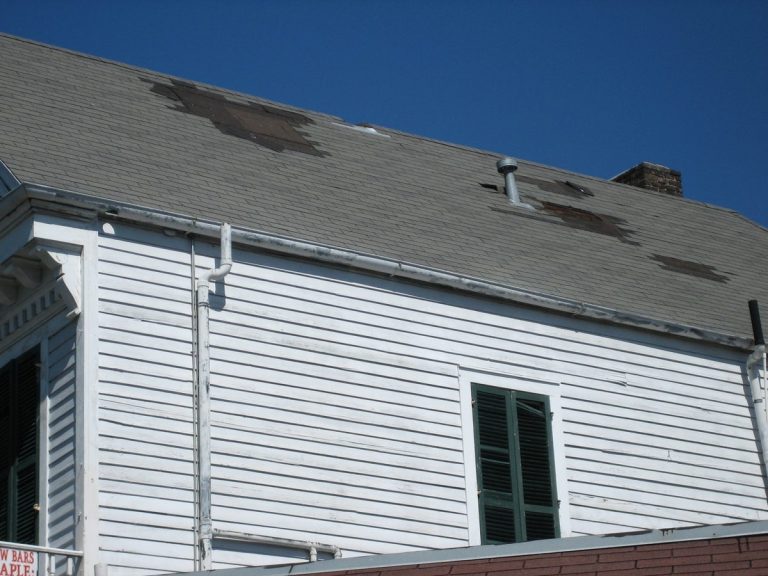
Normal aging and deterioration. If your 25-year-old asphalt shingle roof is curling, cracking, and losing granules, that is the roof reaching the end of its natural lifespan. No insurance company is going to pay for a replacement that was inevitable. You can learn more about expected lifespans in our guide on how long roofs last in the Mid-Atlantic.
Lack of maintenance. If your gutters have been clogged for years and water backed up under your shingles causing rot, that is a maintenance failure. Insurers investigate claims, and adjusters are trained to spot neglect. Keeping up with basic maintenance is not just good practice — it protects your claim eligibility. Our article on preventing roof leaks covers the essentials.
Cosmetic damage. Some policies, especially newer ones, exclude cosmetic damage from hail. This means if hail dents your metal roof or bruises your shingles but does not actually compromise the roof’s ability to keep water out, your insurer may deny the claim.
Improper installation. If your roof was installed incorrectly and that installation defect caused the failure, insurance will not cover it. This is one more reason why hiring a licensed, reputable contractor matters so much.
ACV vs. RCV: The Policy Detail That Changes Everything
There are two main types of roof coverage in homeowners policies, and the difference between them can mean tens of thousands of dollars:
Replacement Cost Value (RCV) pays to replace your damaged roof with a new one of similar kind and quality, minus your deductible. If it costs $12,000 to put on a new roof and your deductible is $1,500, you receive $10,500. This is the better policy for homeowners.
Actual Cash Value (ACV) pays the depreciated value of your roof at the time of damage. If your roof was 15 years into a 25-year expected lifespan, the insurer might determine it had lost 60% of its value. On a $12,000 replacement, you might only receive $4,800 minus your deductible. Many homeowners in Pennsylvania and Maryland have been surprised by ACV payouts that barely cover half the job.
Check your declarations page. If it says ACV for your roof, talk to your agent about upgrading to RCV before you need to file a claim.
The Age Factor: Roof Age and Coverage Limits
Many insurers in the Mid-Atlantic have started adjusting coverage based on roof age. Here is what I am seeing across the region:
Roofs under 10 years old typically get full RCV coverage with no issues. Between 10 and 20 years, some carriers switch to ACV-only coverage or add higher deductibles. Over 20 years, some insurers will not renew your policy until the roof is replaced, or they will exclude the roof from coverage entirely.
In Virginia, I have seen State Farm and Nationwide both tighten their roof age requirements in the last few years. Maryland homeowners with USAA or Erie have reported similar changes. If your roof is approaching 15 years, it is worth having a proactive conversation with your agent.
How to File a Roof Insurance Claim the Right Way
If you have storm damage and believe your insurance should cover it, here is the process I recommend after 36 years in the business:
Document everything immediately. Take photos from the ground of any visible damage. Photograph your yard for fallen debris, broken branches, and hail on the ground. Check your neighbors’ properties too — widespread damage in the neighborhood strengthens your claim. If you are in Maryland, follow our detailed step-by-step storm claim guide.
Call your insurance company first, not a roofer. I know this sounds counterintuitive coming from a roofing professional, but filing the claim quickly creates a paper trail with a timestamp. You want the claim on record before you start getting repair estimates.
Get a professional roof inspection. After you file the claim, bring in a licensed roofing contractor to do a thorough inspection and document damage. A good contractor will provide a detailed report with photos that supports your claim. This is different from the insurance adjuster’s inspection — you want your own documentation.
Be present for the adjuster’s visit. When the insurance adjuster comes to inspect, have your contractor there too. Your contractor can point out damage the adjuster might miss and ensure nothing is overlooked. Adjusters are often handling dozens of claims after a major storm and may not catch everything.
Review the settlement carefully. Do not accept the first offer without comparing it to your contractor’s estimate. If the numbers are significantly different, you have the right to negotiate or request a re-inspection.
Wind and Hail Deductibles in the Mid-Atlantic
Many policies in Maryland, Virginia, DC, and Pennsylvania now have separate deductibles for wind and hail damage that are higher than your standard deductible. Instead of a flat dollar amount, these are often a percentage of your home’s insured value.
For example, if your home is insured for $400,000 and you have a 2% wind/hail deductible, you are paying the first $8,000 out of pocket before insurance kicks in. On a $14,000 roof replacement, that means insurance only covers $6,000. These percentage deductibles have become especially common in coastal areas of Virginia and Maryland where hurricane and storm risk is higher.
When to Pay Out of Pocket Instead of Filing a Claim
Not every roof issue justifies a claim. Filing a claim can increase your premiums, and multiple claims can make you uninsurable in some markets. Here is my general rule of thumb:
If the repair cost is less than double your deductible, consider paying out of pocket. If you need a $2,000 repair and your deductible is $1,500, the insurance payout of $500 is not worth the potential premium increase. Save your claims for major damage — full replacements, large sections of missing shingles, or structural damage.
Related Roofing Resources
- Emergency roof tarping after storm damage
- Signs you need a roof replacement
- Deciding between roof repair and replacement
- How long roofs last in the Mid-Atlantic
- Financing a roof replacement
- Best roofing materials for Mid-Atlantic weather
The Bottom Line
Homeowners insurance can absolutely cover a roof replacement in Maryland, Virginia, DC, and Pennsylvania — but only when the damage is caused by a covered peril and your policy terms work in your favor. The biggest mistakes I see homeowners make are not knowing what their policy actually says, waiting too long to file after damage occurs, and not having a professional contractor involved in the claims process.
Know your policy, maintain your roof, and work with professionals who understand both the roofing and insurance sides of the equation. If you are dealing with roof damage right now and need an honest assessment, get a free roofing estimate from a contractor who will tell you the truth about what needs to happen.