Virginia Beach Storm Damage Roof Claims: Hurricane and Wind Damage Guide
Hurricane season doesn’t knock politely in Virginia Beach — it announces itself with 90 mph gusts, sideways rain, and the kind of damage that turns a solid roof into an insurance claim overnight. Sitting directly on the Atlantic coast, Virginia Beach and the greater Hampton Roads area face storm threats that inland cities simply don’t experience. Between named hurricanes, nor’easters, and severe summer thunderstorms, Virginia Beach homeowners file more wind-related roof claims than nearly any other market in Virginia. This guide covers everything you need to handle a storm damage roof insurance claim in Virginia when you’re dealing with coastal storm damage.
Common Storm Damage Types in Virginia Beach
Virginia Beach sits in a designated high-wind zone, and that designation shapes everything about roofing here — building codes, insurance terms, and material requirements. The city faces storm threats from multiple directions throughout the year.
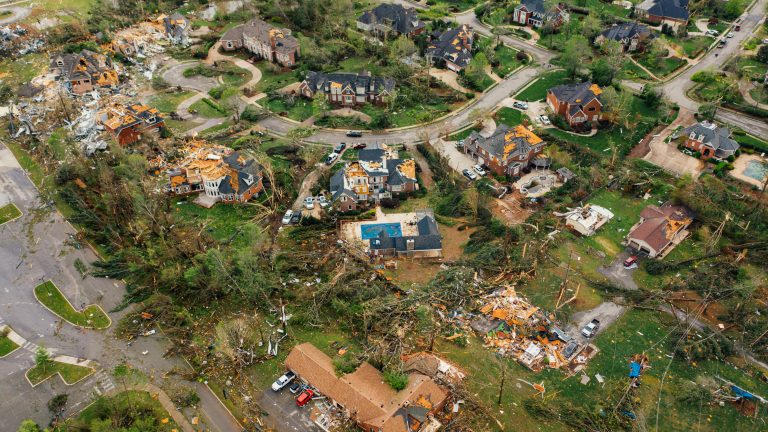
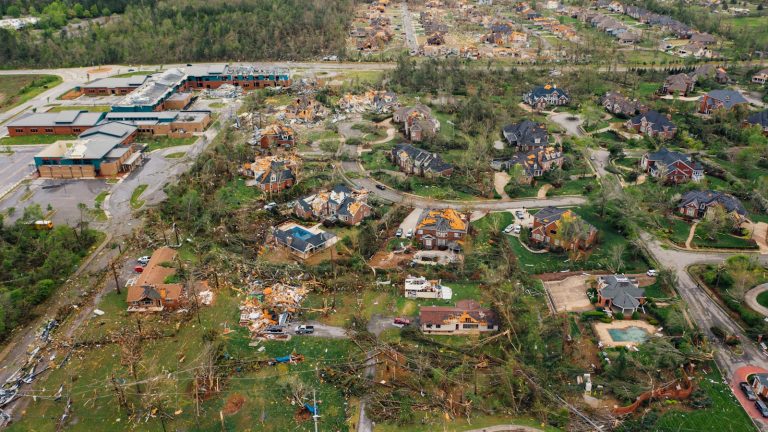
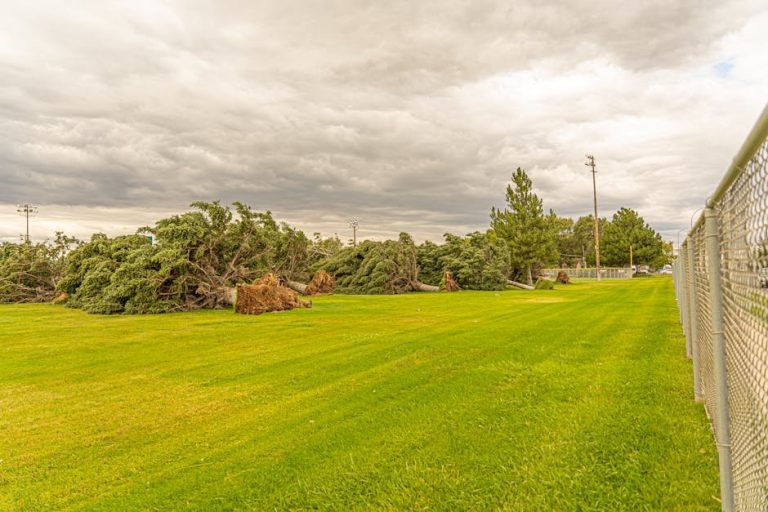
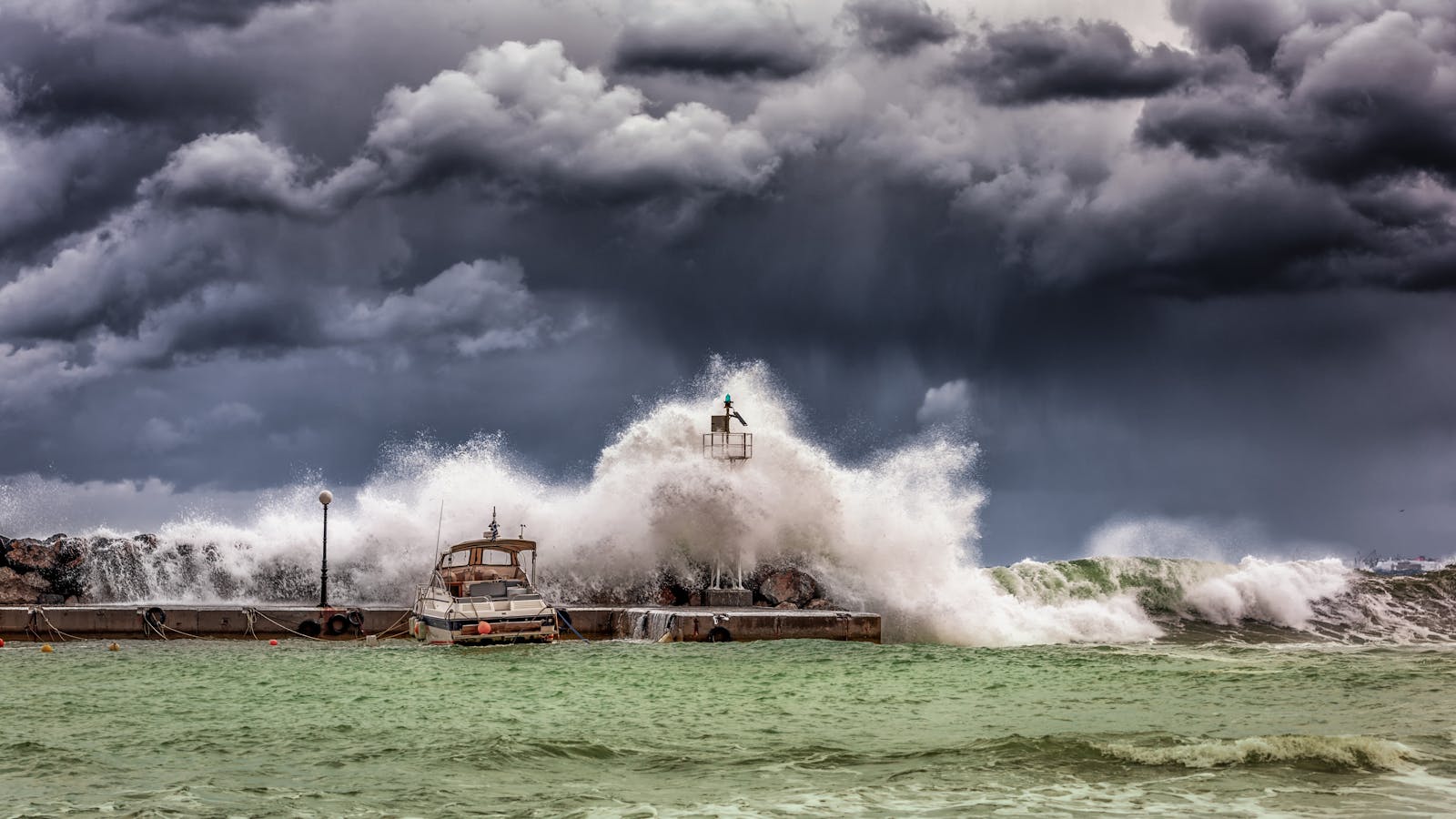
Hurricane and tropical storm winds cause the most dramatic damage. Virginia Beach has taken direct and near-direct hits from multiple hurricanes in recent decades, and tropical storm remnants brush the coast almost every season. Sustained winds above 75 mph tear off entire roof sections, rip away soffits and fascia, and drive rain horizontally through gaps that would never leak under normal conditions. The Oceanfront, Sandbridge, and Chic’s Beach neighborhoods face the most direct exposure.
Nor’easters deliver extended punishment. Unlike hurricanes that pass in hours, nor’easters can batter Virginia Beach for two or three days straight. Sustained 50-60 mph winds over that duration fatigue shingle adhesive strips, progressively lifting tabs until entire courses peel away. Homes in Shore Drive corridor and the Chesapeake Bay side take heavy hits from northeasters.
Summer thunderstorms bring intense hail. Virginia Beach averages multiple hail events per season, with stones large enough to crack shingles and pit metal flashing. These storms arrive fast and hit hard, often producing localized damage that skips one neighborhood while devastating the next.
Salt air corrosion is a constant background factor. Coastal salt accelerates shingle deterioration, weakens metal flashings, and degrades sealant compounds faster than in inland areas. A roof that would last 25 years in Richmond might show serious wear at 15 years in Virginia Beach. This matters because insurers use roof age to evaluate claims, and salt-accelerated aging often triggers age-related denials even when storm damage is the real trigger.
How to Document Roof Storm Damage for Your Insurance Claim
Fast, thorough documentation drives successful outcomes on a storm damage roof claim in Virginia Beach. Coastal claims face extra scrutiny, so your evidence needs to be airtight.
Step 1: Photograph exterior damage immediately. Once conditions are safe, walk the perimeter and photograph every sign of damage — missing shingles, exposed underlayment, bent flashing, damaged gutters, debris impacts. Include wide shots showing your full roofline and close-ups of each damage point.
Step 2: Record interior water intrusion. Check attic spaces, ceilings, and walls for water stains, active leaks, and damp insulation. Wind-driven rain in coastal storms penetrates through gaps that would stay dry in a normal rainstorm. Document every spot with photos and video.
Step 3: Collect weather evidence. The NWS Wakefield office covers Virginia Beach. Download the storm report documenting wind speeds, storm surge levels, and damage reports for your area. Named storms have detailed post-event assessments that carry weight with adjusters.
Step 4: Professional roof inspection. A licensed contractor’s report is your strongest asset. They identify damage patterns that prove storm causation versus wear — critical in a coastal market where age-related denial is common. Their documentation separates fresh impact marks from pre-existing salt deterioration.
Step 5: File within 48 hours. Virginia doesn’t impose a statutory deadline, but prompt notice is required by your policy. The Virginia Bureau of Insurance handles complaints about delayed or denied claims.
For active leaks or exposed decking, arrange emergency roof tarping after storm damage before your adjuster arrives. Tarping costs are covered under most policies as emergency mitigation.
Don’t let storm damage linger on a coastal home where salt air makes everything worse faster. Get a free roofing estimate from a Virginia Beach contractor who handles coastal claims daily.
What Your Homeowners Insurance Covers — and What It Doesn’t
Standard Virginia HO-3 policies cover sudden storm damage — wind, hail, fallen trees, and lightning. Your insurer pays for repair or replacement minus your deductible. But Virginia Beach policies carry coastal-specific complications that inland homeowners never deal with.
Many Virginia Beach policies require wind mitigation inspections before approving claims. Your insurer may send a separate inspector to evaluate whether your roof met wind-resistance standards before the storm. If your roof lacked proper wind-rated shingles, sealed decking, or ring-shank nails, your claim could be reduced or denied based on “failure to mitigate.” This is the most common claim denial reason in Virginia Beach.
Wind and hail deductibles in coastal Virginia are often percentage-based and higher than inland areas. A 2-5% named-storm deductible on a $450,000 Virginia Beach home means $9,000-$22,500 out of pocket. Named-storm deductibles apply only to hurricanes and tropical storms — separate from your standard deductible for thunderstorm damage. Check your declarations page carefully.
Salt air deterioration creates the second biggest denial risk. Insurers argue that shingle failure was caused by long-term salt exposure rather than the storm event. A roof showing granule loss and brittle tabs from salt air gives adjusters ammunition to classify damage as wear and tear. Regular maintenance documentation and pre-storm condition photos counter this argument effectively.
Flood damage from storm surge or rising water requires separate NFIP flood insurance. Sandbridge, Chic’s Beach, and low-lying Oceanfront areas sit in FEMA flood zones. Wind and flood damage often occur simultaneously during hurricanes — your homeowners policy covers the wind portion only.
How to Find a Storm Damage Roofing Contractor in Virginia Beach
Virginia Beach attracts massive numbers of storm chasers after every named storm. They arrive in caravans and blanket neighborhoods with door hangers and high-pressure sales pitches. In 36 years of Mid-Atlantic roofing work, I’ve watched this pattern destroy homeowners’ claims and leave behind roofing jobs that fail within a year.
Virginia requires all roofing contractors to hold a DPOR (Department of Professional and Occupational Regulation) license. Verify license class and status on the DPOR website before signing anything. Coastal roofing work often exceeds $10,000, requiring at least a Class B license.
Virginia Beach roofing demands specific coastal experience. Wind-rated shingle installation, sealed roof deck systems, and coastal flashing details differ from inland techniques. Ask contractors about their Virginia Beach project history and whether they install to high-wind zone specs.
Verify general liability and workers’ compensation insurance. Never sign an AOB (Assignment of Benefits) that transfers your claim rights. Virginia permits AOBs, but signing one hands the contractor all leverage in your claim negotiation.
Red flags specific to Virginia Beach: contractors who appear only after named storms, anyone offering to cover your deductible, requests for full payment before work starts, and contractors without verifiable Hampton Roads references.
Timeline: From Storm to Settled Claim
Virginia Beach storm claims — especially after named storms — follow longer timelines than inland claims due to volume.
Day 1-3: Document damage and file. After hurricanes, phone systems may be overwhelmed. File online if available and follow up by phone.
Day 3-21: Adjuster inspection. After major named storms, Virginia Beach wait times extend significantly as adjusters handle thousands of claims simultaneously.
Day 21-45: Initial estimate. Review against your contractor’s scope. Coastal material specifications often drive cost differences between estimates.
Day 45-60: Negotiation on disputed items. Re-inspection with your contractor present usually resolves gaps.
Day 60-120: Repairs completed and final payment. After major hurricanes, material shortages and contractor demand can push timelines further. Virginia requires prompt payment once amounts are agreed.
Contact the Virginia Bureau of Insurance if delays become unreasonable.
Related Roofing Resources
- Northern Virginia storm damage claims
- Whether homeowners insurance covers roof replacement
- Signs you need a roof replacement
- Deciding between roof repair and replacement
- How long roofs last in the Mid-Atlantic
- Financing a roof replacement
Frequently Asked Questions
Does Virginia Beach’s high-wind zone designation affect my roof insurance claim?
Yes. Insurers may require proof that your roof met high-wind building code standards. Homes built or re-roofed after Virginia’s wind code updates should comply automatically. Older homes without wind-rated materials may face reduced payouts if the insurer argues that non-compliant roofing contributed to the damage.
What’s the difference between my named-storm deductible and regular deductible?
Your named-storm deductible applies only when damage results from a hurricane or tropical storm formally named by the National Hurricane Center. It’s typically a percentage of your dwelling coverage — much higher than your flat-dollar standard deductible. Thunderstorm damage uses your regular deductible even in Virginia Beach.
Can salt air damage be claimed as storm damage?
Salt air deterioration alone isn’t a covered peril — it’s considered gradual wear. But when a storm damages a roof showing some salt wear, the storm damage itself remains covered. The key is proving the storm caused specific, identifiable damage beyond background deterioration. Your contractor’s inspection report makes this distinction.
How do I handle insurance claims after a hurricane in Virginia Beach?
File immediately through your insurer’s catastrophe hotline or online portal. Document everything before cleanup begins. Keep all receipts for emergency repairs and temporary housing. Expect longer timelines with a catastrophe adjuster, but the same coverage obligations apply.
For current pricing on what a full roof replacement costs in this coastal market, see our guide on roof replacement cost Virginia Beach and Hampton Roads.
Also read how homeowners in nearby Richmond handle storm damage roof claims — inland and coastal claims share common ground but differ in key ways.
Every day storm damage sits unrepaired on a Virginia Beach roof, salt air works deeper into exposed materials and multiplies repair costs. Get a free roofing estimate today and stop the damage from spreading.