Storm Damage Roof Claim in Silver Spring, Maryland: Step-by-Step Guide
Storm Damage Roof Claim in Silver Spring, Maryland: Step-by-Step Guide
Silver Spring sits in one of the most storm-active corridors in Montgomery County. Between late-spring thunderstorms rolling off the Piedmont and the remnants of tropical systems pushing through the Chesapeake Bay watershed every fall, roofs here take real punishment. I have inspected homes along Georgia Avenue, University Boulevard, and Colesville Road where hail stripped granules down to the fiberglass mat and wind peeled starter strips off rake edges in a single evening.
If your roof was hit, you need a plan. This guide walks you through the full storm damage roof claim process in Silver Spring, Maryland, from the first phone call to your insurer through the final inspection after repairs are completed.
How Storm Damage Affects Silver Spring Roofs
Silver Spring’s housing stock is a mix of mid-century colonials, split-levels from the 1960s and 1970s, and newer townhomes near Downtown Silver Spring. Most residential roofs use architectural asphalt shingles rated for 110-130 mph winds. Montgomery County storms frequently produce straight-line winds between 60 and 80 mph paired with quarter-sized hail — enough to cause damage that passes a casual glance but fails a trained inspection.
Common damage patterns include wind-lifted shingles along ridge lines, cracked or bruised shingles on the windward slope, damaged flashing around chimneys and dormers, and dented gutters. These issues may not cause an immediate leak, but they shorten roof life by years. For a broader look at Maryland storm claims, read our Maryland storm damage roof claim guide.
Step 1: Document the Damage Immediately
After a storm passes, grab your phone, walk the perimeter of your house, and photograph everything — downed branches on the roof, shingles in the yard, dented gutters, water stains on ceilings. Date-stamped photos establish a timeline that connects the damage directly to the storm event.
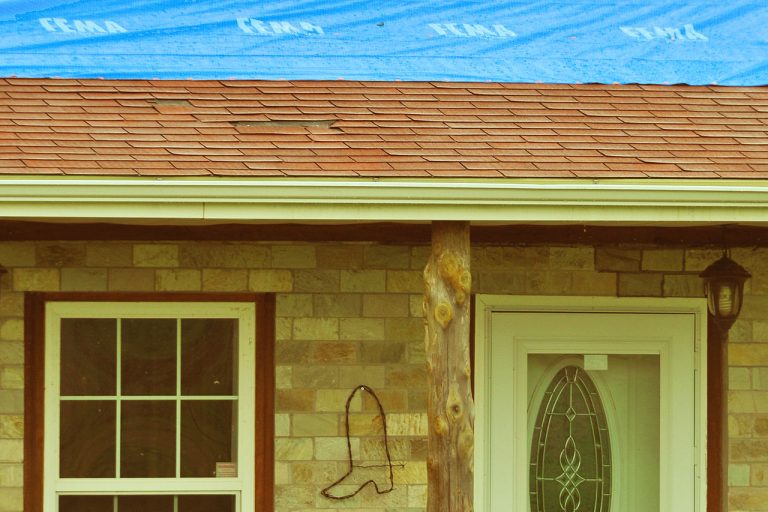
Do not climb on your roof. If there is active water intrusion, place buckets, move valuables, and take photos. Maryland law allows you to perform reasonable temporary repairs like tarping and submit those costs as part of your claim. Keep every receipt.
Step 2: File Your Insurance Claim
Call your insurance company within 24 to 48 hours. Have your policy number ready and a brief description of the visible damage. Most carriers serving Silver Spring — State Farm, Allstate, USAA, Erie — allow claims filing online or by phone.
After a widespread storm event, adjuster visits can be delayed one to three weeks because Montgomery County generates a high volume of claims simultaneously. Use that waiting period to get a professional roof inspection. Most Maryland policies require claims within one year, but filing in the first week gives you the strongest position — evidence is fresh and causation is clear.
Step 3: Get a Professional Roof Inspection
Before your adjuster arrives, have a licensed Maryland roofing contractor inspect your roof and produce a written damage report. This report should itemize every damaged component — shingles, underlayment, flashing, vents, pipe boots, drip edge, gutters — with measurements and photos.
A professional inspection gives you an independent assessment to compare against the adjuster’s findings and identifies damage the adjuster might miss. Want to understand what a full replacement might cost? Our Silver Spring roof replacement cost breakdown covers current pricing for Montgomery County.
Ready to get a professional damage assessment? Request a free roofing estimate from an experienced Mid-Atlantic contractor who knows the Silver Spring market.
Step 4: Meet with the Insurance Adjuster
When the adjuster arrives, be present and walk the property with them. Bring your contractor’s damage report and your own photos. The adjuster will inspect the roof, siding, gutters, and any interior damage, then generate a scope of loss — a line-item estimate of what insurance will cover.
I have seen Silver Spring adjusters miss damage on back slopes and undercount hail strikes. If your contractor is present during the visit, they can point out damage in real time. If the adjuster’s scope comes in lower than your contractor’s estimate, you have the right to request a re-inspection or file a supplement. Supplementing is a normal part of the process.
Step 5: Review the Settlement and Depreciation
Your insurer will issue an initial payment based on Actual Cash Value — replacement cost minus depreciation based on your roof’s age. If you have a Replacement Cost Value policy, you recover that depreciation after repairs are completed. The insurance company holds back the amount, you complete the work, submit the final invoice, and they release the remaining funds.
Review every line item on the scope of loss. Common shortfalls include missing provisions for ice and water shield in valleys, inadequate flashing replacement allowance, and no line item for code-required upgrades. Montgomery County adopted the 2018 IRC with local amendments, and your replacement must meet current code — your insurance should cover those costs.
Step 6: Choose the Right Contractor
After your claim is approved, selecting the right contractor matters. In Silver Spring, after a major storm, out-of-state storm chasers show up fast — knocking on doors and pushing for immediate signatures. Avoid them.
Look for a contractor who holds a valid Maryland Home Improvement Commission (MHIC) license, carries general liability and workers’ compensation insurance, and has a physical business presence in the Mid-Atlantic region. Our Baltimore storm damage claim guide covers contractor vetting in more detail.
Step 7: Final Inspection and Claim Closeout
Once repairs are complete, walk the property with your contractor and verify every item on the scope was addressed. Check that new shingles match the specified color and profile, flashing is properly sealed, and gutters drain correctly. Submit the final invoice to recover withheld depreciation.
Keep copies of the contractor’s warranty, final invoice, all permits, and insurance correspondence in a single file. For a broader view of Maryland roof replacement pricing, review our Maryland roof replacement cost guide.
Silver Spring Storm Claim Tips from 36 Years in the Field
- Montgomery County permits are required for full roof replacements. If a contractor suggests skipping the permit, find a different contractor.
- Silver Spring hail events are often underreported. Hail can damage shingles without being visible from the ground. If your neighborhood had a hailstorm, get an inspection even if things look fine from street level.
- Keep a storm log. Note the date, time, and type of severe weather. Cross-reference with NWS storm reports for Montgomery County to strengthen your claim.
- Do not sign an Assignment of Benefits (AOB) without reading it carefully. Some storm chasers use AOB agreements to take control of your claim. You are usually better off managing your own claim with contractor support.
Frequently Asked Questions
How long do I have to file a storm damage roof claim in Silver Spring, Maryland?
Most Maryland homeowner insurance policies require you to file a claim within one year of the storm damage event. However, filing within the first week gives you the strongest position because evidence is fresh and the connection between the storm and damage is clear. Contact your insurer within 24 to 48 hours for best results.
Will my insurance rates increase after filing a storm damage claim in Silver Spring?
Maryland law restricts insurers from raising your premium solely because you filed a weather-related claim. However, if you have filed multiple claims in a short period, your carrier may re-evaluate your policy at renewal. A single storm damage claim in Silver Spring typically does not trigger a rate increase.
What should I do if my Silver Spring roof claim is denied?
Request a written explanation from your insurer. Common denial reasons include pre-existing damage or filing outside the policy window. Dispute the denial by submitting your contractor’s independent inspection report, dated storm photos, and NWS weather data for Montgomery County. If unsuccessful, file a complaint with the Maryland Insurance Administration.
Do I need a permit for storm damage roof repair in Silver Spring?
Montgomery County requires a building permit for full roof replacements. Minor repairs like replacing a few shingles typically do not require a permit. Your contractor should handle the permit application and schedule the required post-work inspection. If a contractor says permits are unnecessary for a full replacement, that is a red flag.
Need help with a storm damage roof claim in Silver Spring? Get a free roofing estimate from an experienced local contractor who can inspect your roof, document the damage, and guide you through the insurance claim process.