Storm Damage Roof Claims in Richmond, Virginia: What to Do After a Storm
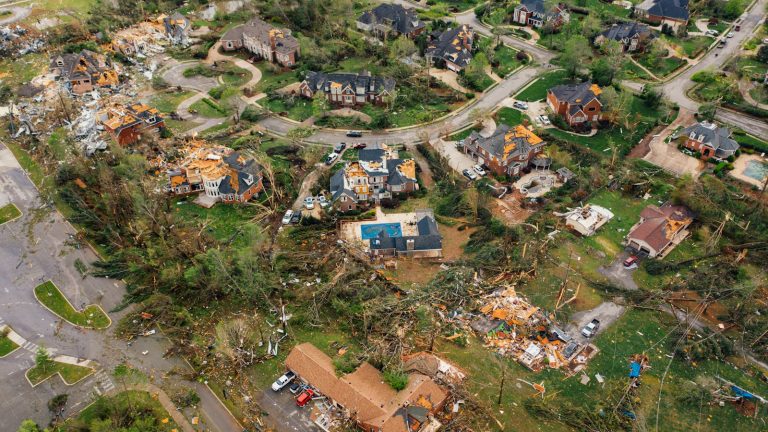
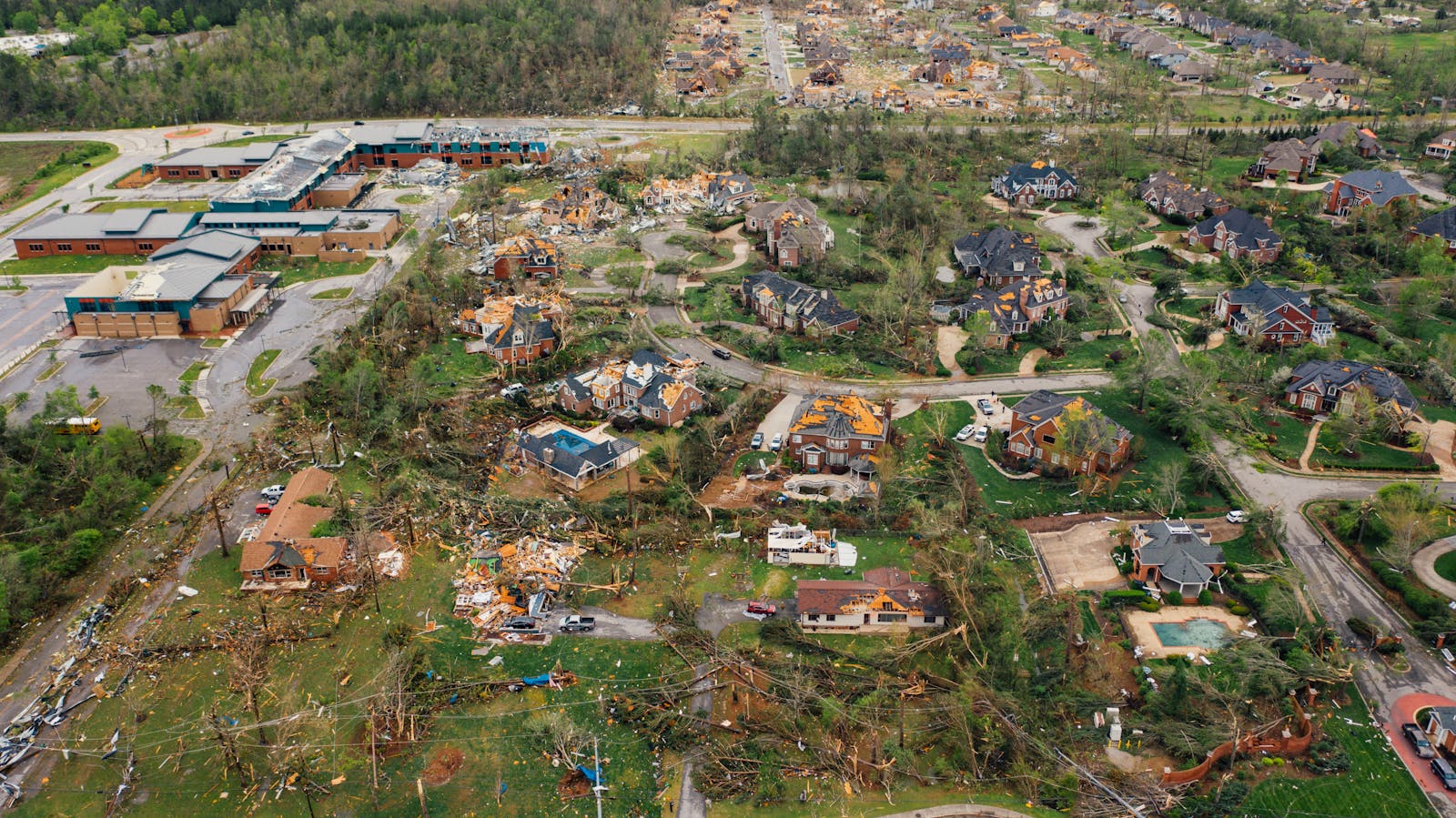
Last summer’s derecho that tore across central Virginia left Richmond neighborhoods buried under fallen branches and stripped shingles — and left homeowners buried under paperwork. Richmond sits at the intersection of coastal storm systems pushing inland and severe thunderstorms sweeping east across the Piedmont, making it one of Virginia’s most storm-impacted cities for residential roof damage. If you’re holding a damaged roof and an insurance policy, understanding how to file a storm damage roof insurance claim in Virginia gives you the best shot at a fair outcome.
Common Storm Damage Types in Richmond
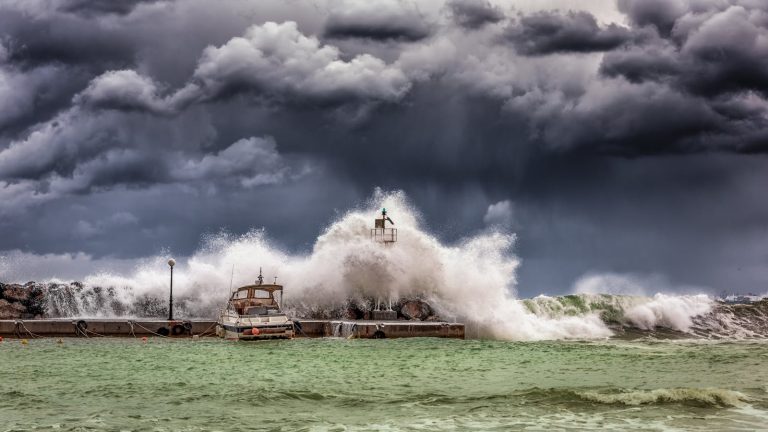
Richmond’s storm season runs hard from April through October. Severe thunderstorms bring the most frequent damage, delivering hail, straight-line winds, and intense downpours that overwhelm aging drainage systems. The city regularly catches the northern edge of tropical systems that track up the coast, adding sustained winds and prolonged heavy rain to the mix.
Hail strikes Richmond multiple times per year. Summer thunderstorms produce hailstones that crack shingle surfaces, strip granules, and expose the asphalt mat underneath. The damage isn’t always obvious from the ground — you might not see it until a contractor gets on the roof or until the next hard rain produces a ceiling stain.
Wind damage hits Richmond’s historic neighborhoods particularly hard. The Fan District, Church Hill, and Oregon Hill contain homes dating to the 1800s with original or period-appropriate roofing materials. Slate, standing seam metal, and wood shingles on these homes react to wind differently than modern architectural shingles. Wind lifts slate tiles, bends standing seam panels, and splits aged wood shingles along the grain.
Fallen trees cause catastrophic damage during every major storm. Richmond’s urban canopy is one of the densest on the East Coast, and the combination of mature oaks, poplars, and pines means heavy limbs come down regularly. Near Byrd Park, Windsor Farms, and the West End, single-tree failures cause $20,000-$50,000 in damage to homes beneath them.
Tropical storm remnants bring a different threat — prolonged saturation. Hours of driving rain find every weak point in a roof system. Flashing around chimneys, skylights, and dormers gives way under sustained exposure. Valley areas where roof planes intersect become funnels for concentrated water flow.
How to Document Roof Storm Damage for Your Insurance Claim
Documentation quality directly determines claim outcomes. Here’s how Richmond homeowners should build their case for a storm damage roof claim in Richmond Virginia.
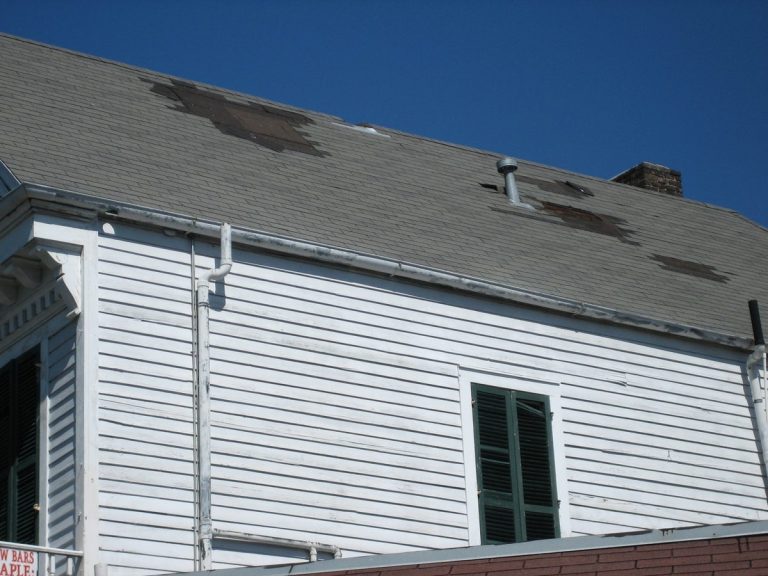
Step 1: Photograph all visible damage from the ground. Walk the full perimeter. Capture missing shingles, dented gutters, displaced flashing, broken soffits, and fallen debris. Get wide-angle views of each roof face and close-ups of specific damage points. Timestamp every image.
Step 2: Document interior signs. Check the attic for wet insulation, water tracks on rafters, and daylight through the deck. Inspect ceilings and walls on every floor. Water stains, bubbling paint, and damp drywall all prove water intrusion from the storm.
Step 3: Save the weather data. The National Weather Service Wakefield office covers the Richmond metro. Download the storm report for your date and location — it lists confirmed hail sizes, peak wind gusts, and damage reports that prove a qualifying weather event.
Step 4: Hire a licensed contractor for a professional inspection. A trained roofer catches damage invisible from the ground — hairline cracks in slate, bruised shingles, compromised boot seals, lifted flashing edges. Their written report with photos provides independent evidence your adjuster can’t dismiss.
Step 5: File your claim fast. Virginia doesn’t set a rigid filing deadline, but your policy demands prompt notice. The Virginia Bureau of Insurance handles consumer complaints if your insurer drags its feet or denies your claim unfairly.
For active leaks, arrange emergency roof tarping after storm damage immediately. Virginia policies cover reasonable emergency mitigation expenses.
Don’t wait for damage to get worse. Get a free roofing estimate from a Richmond-area contractor who knows Virginia’s insurance process.
What Your Homeowners Insurance Covers — and What It Doesn’t
Virginia HO-3 policies cover sudden storm damage to your roof — hail, wind, fallen trees, and lightning. Your insurer pays repair or replacement costs minus your deductible.
Richmond’s historic homes create the most common claim complication in this market. The Fan District and Church Hill homes often require period-appropriate materials — slate, copper, or wood shingles — that cost three to five times more than standard asphalt replacements. Insurance policies typically cover “like kind and quality” replacement, but adjusters and homeowners frequently disagree on what that means for a 130-year-old slate roof. If your insurer approves architectural shingles when your home requires slate, you’ve got a legitimate dispute.
Local historic district ordinances compound this problem. Richmond’s Old and Historic Districts mandate specific material standards. Your insurer might approve a cheaper material that your local preservation commission won’t allow. When this conflict arises, document the local requirements in writing and present them to your adjuster. The Virginia Bureau of Insurance can intervene if your insurer refuses to cover code-mandated materials.
Percentage-based wind/hail deductibles are growing in Virginia. A 2% deductible on a $400,000 Richmond home means $8,000 before coverage kicks in. Know your deductible type before you file.
Flood damage from rising water isn’t covered under standard policies. Richmond’s James River flood plain and low-lying Shockoe Bottom areas need separate NFIP coverage.
How to Find a Storm Damage Roofing Contractor in Richmond
Storm chasers descend on Richmond after every major weather event. They travel in packs, canvass neighborhoods, and promise fast repairs. After 36 years in this business across the Mid-Atlantic, I’ve yet to see a storm chaser deliver quality work that lasts.
Virginia requires roofing contractors to hold a license from the Department of Professional and Occupational Regulation (DPOR). Verify the contractor’s DPOR license before signing any agreement. Class A licenses cover projects over $120,000, Class B up to $120,000, and Class C up to $10,000. Most roof replacements require at least a Class B.
For historic homes in the Fan, Church Hill, or Oregon Hill, you need a contractor experienced with slate, metal, and wood roofing systems. Standard shingle installers don’t have the skills for these materials. Ask for references specifically from historic Richmond projects.
Confirm general liability and workers’ compensation coverage. Never sign an Assignment of Benefits (AOB) that transfers claim control to the contractor. Virginia allows AOBs, but they strip you of negotiating power.
Red flags: door-knocking within hours of a storm, no local business address, requests for full upfront payment, or offers to cover your deductible.
Timeline: From Storm to Settled Claim
Virginia insurance regulations set reasonable timelines for claim processing.
Day 1-2: Document and file. Virginia requires insurers to acknowledge claims within a reasonable period — typically within 15 calendar days.
Day 3-15: Adjuster inspection. Richmond’s adjuster pool handles heavy volume after major storms, so allow the full window.
Day 15-30: Initial estimate delivered. Compare with your contractor’s scope and flag any differences.
Day 30-45: Negotiate disagreements. A joint re-inspection usually resolves legitimate discrepancies.
Day 45-90: Repairs completed and final payment released. Virginia requires prompt payment of agreed amounts.
Contact the Virginia Bureau of Insurance if your claim stalls beyond these timeframes.
Related Roofing Resources
- Northern Virginia storm damage claims
- Whether homeowners insurance covers roof replacement
- Signs you need a roof replacement
- Deciding between roof repair and replacement
- How long roofs last in the Mid-Atlantic
- Financing a roof replacement
Frequently Asked Questions
Do Richmond’s historic district rules affect my storm damage claim?
Yes. If your home sits in an Old and Historic District, local ordinances may require specific replacement materials like slate or standing seam metal. Your insurance should cover “like kind and quality” materials, which includes meeting local code requirements. Document the historic district rules and present them to your adjuster if there’s a dispute over material coverage.
How long do I have to file a storm damage roof claim in Richmond?
Virginia’s statute of limitations for property damage claims is five years, but your policy likely requires prompt notice. File within 48 hours of the storm. Delays weaken your position because insurers argue that additional damage occurred between the storm and your report.
What if a tree falls on my Richmond roof during a storm?
Your homeowners insurance covers tree damage to your roof when the tree falls due to a storm event. The policy typically covers removal of the tree from the structure and repair of the roof damage. If the tree falls due to disease or neglect rather than storm force, coverage may be denied.
Are Richmond homeowners required to get multiple repair estimates?
Virginia doesn’t legally require multiple estimates, but getting two or three helps you identify fair pricing and catch any contractor trying to pad the scope. Your insurer may request a second estimate if yours significantly exceeds their adjuster’s figure.
For full replacement pricing in this market, read our guide on roof replacement cost Richmond Virginia.
Homeowners in coastal Virginia face similar but distinct challenges — read our guide on storm damage roof claims in Virginia Beach to compare.
Waiting on storm damage repairs only makes things worse — the next rain pushes water deeper into your home’s framing and drives costs up. Get a free roofing estimate from a Richmond contractor today and get ahead of the damage.