Prince George’s County Storm Damage Roof Claims: 2026 Homeowner Guide
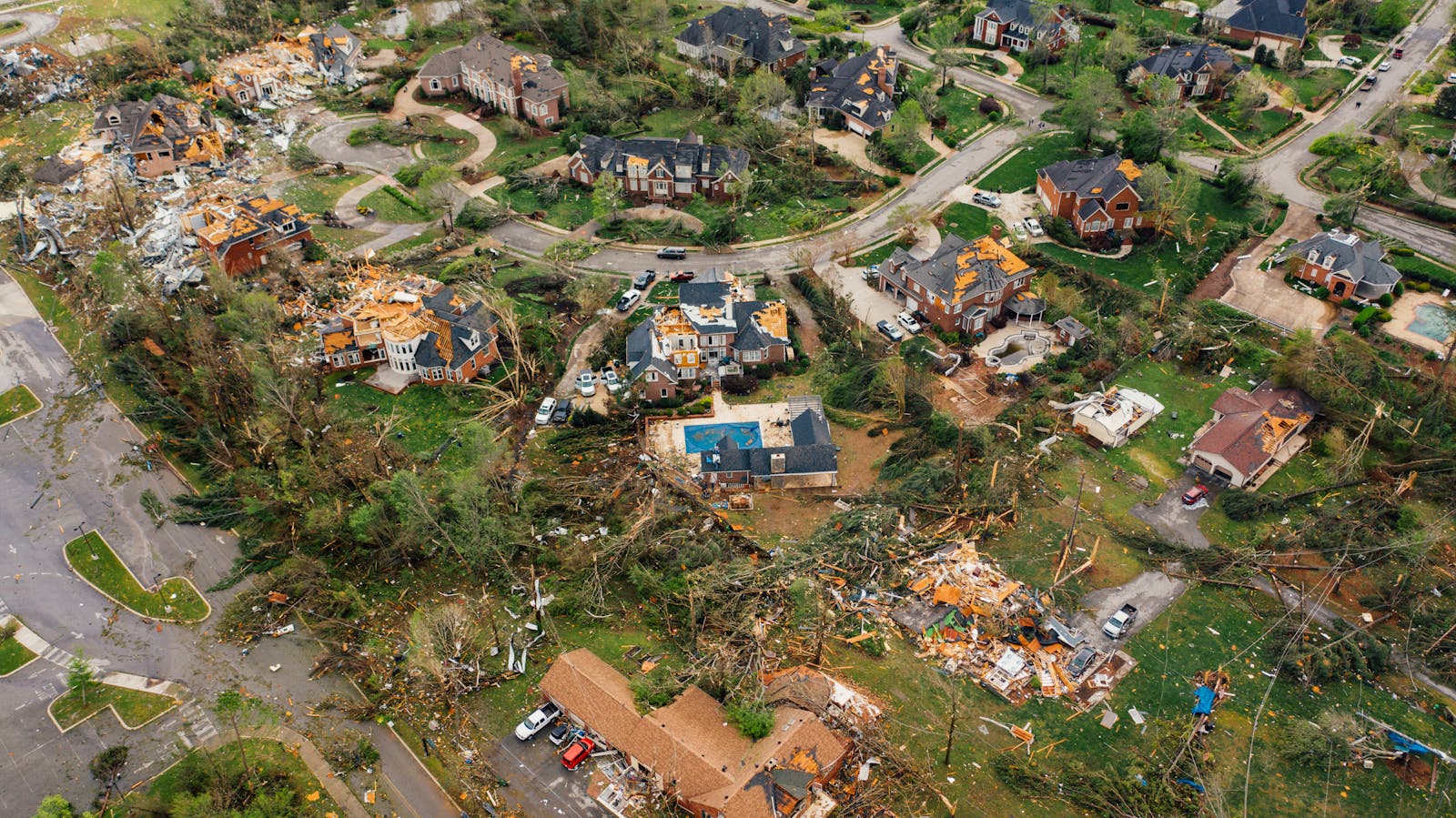
One severe thunderstorm can trigger hundreds of roof damage claims across Prince George’s County in a single evening. From Bowie to Greenbelt, from Largo to College Park, this densely populated Maryland county sits squarely in the path of storms that sweep through the Washington, D.C. metro area every spring and summer. PG County’s mix of older suburban homes and newer developments means storm damage looks different block to block — but the insurance claim process catches most homeowners equally unprepared. Here’s how to handle a storm damage roof claim Maryland homeowners depend on, with the specifics Prince George’s County residents need.
Common Storm Damage Types in Prince George’s County
Prince George’s County catches severe weather rolling through the D.C. metro corridor with regularity. The county’s geography — stretching from the Beltway suburbs near the District line out to rural areas near the Patuxent River — means different neighborhoods face different exposure levels.
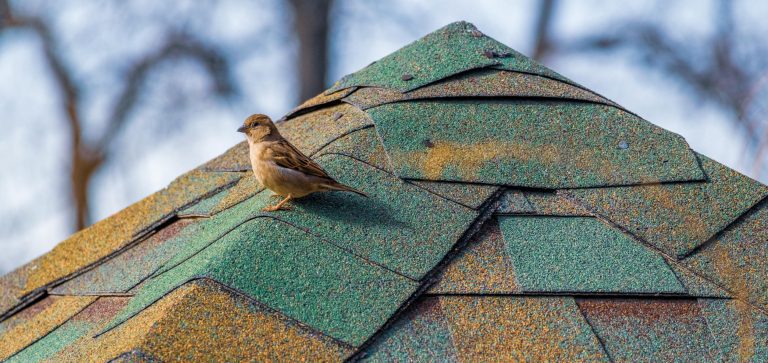
Hail is the leading damage source. Summer thunderstorms produce hailstones across the county multiple times per year. Communities along the I-95 corridor — Laurel, Beltsville, and College Park — see particularly frequent hail events. Even small hailstones crack aging shingles, strip protective granules, and create soft spots that leak within months.
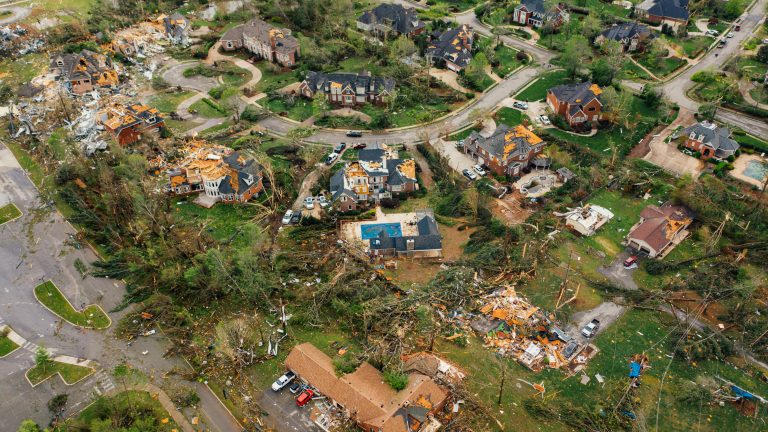
Straight-line winds from derechos and severe thunderstorms regularly exceed 60 mph in PG County. These winds peel back shingle courses, rip ridge caps, and tear flashing from around chimneys and vent pipes. Exposed subdivisions in Bowie, Mitchellville, and Upper Marlboro without mature tree breaks catch the full force.
Heavy rainfall causes cascading damage. PG County’s older homes — many built in the 1960s through 1980s — have aging drainage systems that can’t handle intense downpours. Clogged gutters, deteriorated flashing, and worn valley linings turn a heavy rainstorm into an interior water event. The Anacostia River tributaries that wind through the county create localized flooding that complicates damage assessments.
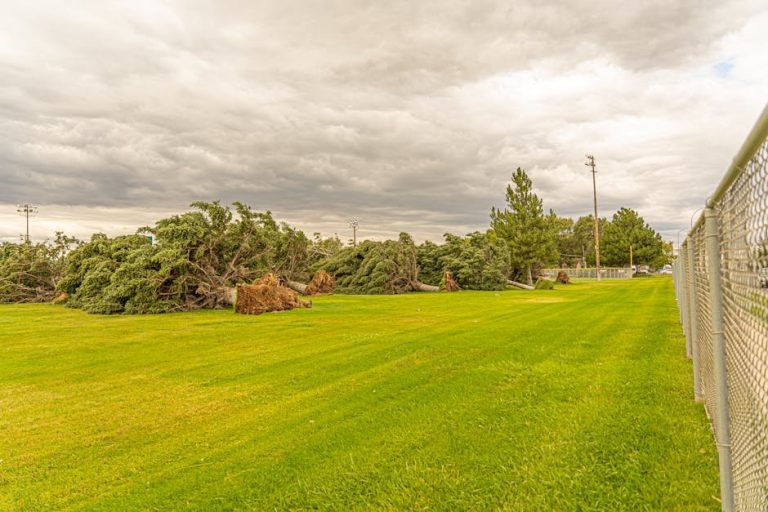
Fallen trees and large limbs cause severe damage in the county’s established neighborhoods. Mature tree canopies in Hyattsville, Riverdale Park, and New Carrollton produce dangerous debris during every significant storm.
How to Document Roof Storm Damage for Your Insurance Claim
PG County homeowners need strong documentation because this market has a higher-than-average storm chaser contractor problem — and insurers know it. Adjusters scrutinize PG County claims more closely when they suspect contractor-inflated damage assessments. Clean, honest documentation from a reputable contractor cuts through that skepticism.
Step 1: Ground-level photos right after the storm. Walk the perimeter and capture every sign of damage — missing shingles, dented gutters, broken soffits, fallen debris. Wide shots of each roof face plus close-ups of specific damage. Use your phone’s timestamp.
Step 2: Interior damage check. Inspect attic, ceilings, and walls for water stains, drips, wet insulation, and daylight through the roof deck. Photograph everything. Interior water evidence strengthens your claim significantly.
Step 3: Weather verification. The NWS Baltimore/Washington office covers PG County. Download the storm report for your date and zip code. Confirmed hail sizes and wind measurements prove a qualifying event hit your area.
Step 4: Licensed contractor inspection. Hire an MHIC-licensed roofer for a full inspection with written report and photos. Their independent assessment documenting storm-caused damage patterns gives your claim credibility that counters any adjuster skepticism.
Step 5: File within 48 hours. Maryland requires prompt notice. The Maryland Insurance Administration (MIA) oversees all claim disputes and investigates unfair denial practices.
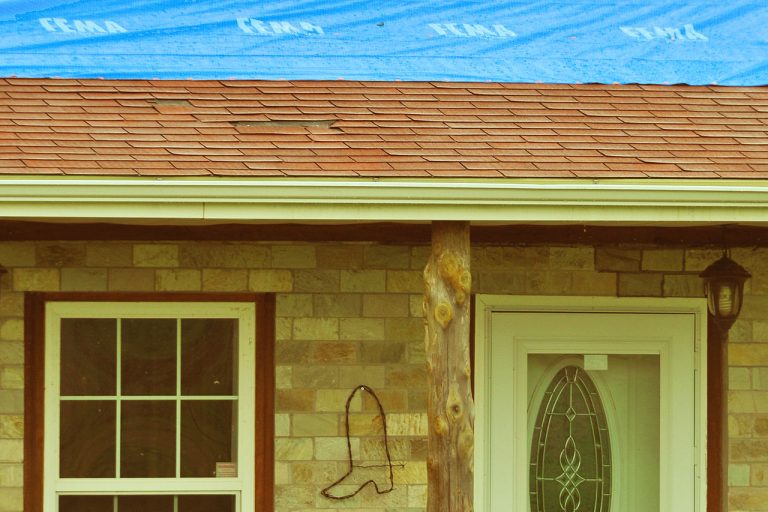
If you have active leaks, arrange emergency roof tarping after storm damage before your adjuster visits. Your policy covers reasonable emergency mitigation.
Need a damage assessment? Get a free roofing estimate from a PG County roofer who knows the local insurance landscape.
What Your Homeowners Insurance Covers — and What It Doesn’t
Maryland HO-3 policies cover sudden storm damage to your roof — hail, wind, fallen trees, and lightning. Your insurer pays repair or replacement costs minus your deductible.
The most common denial reason in Prince George’s County involves older roofs on homes built in the 1970s and 1980s. Many of these roofs are on their second or third layer of shingles and show visible aging. Insurers argue that storm damage is actually long-term wear and tear. The counter: your contractor’s inspection report documenting specific storm impact patterns — directional damage, fresh granule displacement, hail bruising — that wear and tear doesn’t produce.
Percentage-based wind/hail deductibles are spreading in PG County policies. A 2% deductible on a $350,000 home means $7,000 before coverage starts. Check your declarations page before filing.
PG County’s proximity to the Anacostia and Patuxent river systems means flood risk for some neighborhoods. Standard homeowners policies never cover flood damage — you need separate NFIP coverage. Storm damage from wind and hail remains covered even if flooding occurs simultaneously.
Cosmetic damage exclusions appear in some Maryland policies. If your insurer applies this clause, hail damage affecting only appearance may not be covered even when it reduces your roof’s remaining lifespan.
How to Find a Storm Damage Roofing Contractor in Prince George’s County
PG County has a more aggressive storm chaser problem than most Maryland jurisdictions. Out-of-state contractors target the county’s large suburban neighborhoods after every major hail event, canvassing door to door with promises of “free” roof replacements. In 36 years of Mid-Atlantic roofing, I’ve seen the damage these operators leave behind — substandard work, voided warranties, and homeowners stuck with leaking roofs and no recourse.
Protect yourself starting with MHIC license verification. Every roofing contractor working in Maryland must hold a valid Maryland Home Improvement Commission license. Check the MHIC database before signing any contract.
Demand verifiable PG County references from the past 12 months. Legitimate local contractors have them. Storm chasers working their way up the East Coast don’t. Ask for addresses so you can drive by completed work.
Verify general liability and workers’ compensation insurance with certificates. Never sign an Assignment of Benefits (AOB) that gives the contractor control over your claim. Keep your negotiating power with the insurance company.
Red flags in PG County: door-to-door contractors within hours of a storm, offers to waive your deductible (insurance fraud in Maryland), pressure to sign before your adjuster inspects, and any contractor without a local Maryland business address. If they can’t tell you which MHIC license class they hold, walk away.
Timeline: From Storm to Settled Claim
Maryland regulations set clear timelines that protect PG County homeowners.
Day 1-2: Document and file. Maryland requires insurer acknowledgment within 15 working days.
Day 3-14: Adjuster inspection. After major storms, PG County’s high claim volume pushes timelines toward the longer end.
Day 15-30: Initial estimate arrives. Compare against your contractor’s scope and flag discrepancies.
Day 30-45: Negotiation if estimates differ. Joint re-inspection with your contractor resolves most disputes.
Day 45-90: Repairs completed and final payment. Maryland requires prompt payment of undisputed amounts.
File a complaint with the MIA if your insurer misses these windows or acts in bad faith.
Related Roofing Resources
- Filing storm damage claims in Baltimore
- Annapolis storm damage roof claims
- Whether homeowners insurance covers roof replacement
Frequently Asked Questions
Why does PG County attract so many storm chaser contractors?
PG County combines large suburban neighborhoods, frequent storm events, and homes with aging roofs — a perfect target for out-of-state operators. The county’s proximity to major interstate highways makes it easy for storm chasers to move in and out quickly. Verify MHIC licensing and demand local references to protect yourself.
My PG County home has a 20-year-old roof. Will insurance still cover storm damage?
Yes, if the damage was caused by a storm event. Roof age alone doesn’t disqualify a claim. However, your insurer may apply depreciation to the payout, reducing the initial check based on the roof’s age. Many Maryland policies include recoverable depreciation — you receive the withheld amount after repairs are completed using the full repair scope.
Should I let my contractor handle my insurance claim directly?
No. Keep control of your claim. Some PG County contractors push Assignment of Benefits agreements that transfer your claim rights. Once signed, the contractor negotiates with your insurer on your behalf — and their interests don’t always align with yours. File the claim yourself, provide your contractor’s estimate, and manage the process directly.
What if I find storm damage weeks after a storm?
File as soon as you discover it. Maryland’s statute of limitations is three years for property damage, but delayed reporting weakens your position. Document the damage thoroughly and include the original storm date in your claim. Your contractor’s inspection showing storm-consistent damage patterns helps establish the connection.
For current replacement pricing in this area, see our guide on roof replacement cost Prince George’s County Maryland.
Northern Virginia homeowners just across the Beltway face a similar insurance process under Virginia rules — read our guide on storm damage roof claims in Northern Virginia for the comparison.
Storm damage on a PG County roof only gets worse with time, and the next rainstorm pushes water deeper into your home’s structure. Get a free roofing estimate and get the repair process started today.