Lehigh Valley Storm Damage Roof Claims: Allentown, Bethlehem and Easton Guide
Allentown, Bethlehem, and Easton form the core of the Lehigh Valley — and together they sit in one of Pennsylvania’s most active hail corridors. The valley’s geography between the Blue Mountain ridge to the north and South Mountain to the south channels storm systems through the region with concentrated energy, producing hail events at a rate that exceeds much of eastern Pennsylvania. Rapid suburban growth over the past two decades has filled the valley with newer homes, many built with contractor-grade materials that don’t hold up well under repeated hail impacts. If a storm just hit your roof, here’s how to file a hail and wind damage roof claim in Pennsylvania with the specifics Lehigh Valley homeowners need to know.
Common Storm Damage Types in the Lehigh Valley
The Lehigh Valley catches more hail than homeowners expect from eastern Pennsylvania. The corridor between the Appalachian ridges focuses thunderstorm energy and produces hailstones that damage residential roofs multiple times per season.
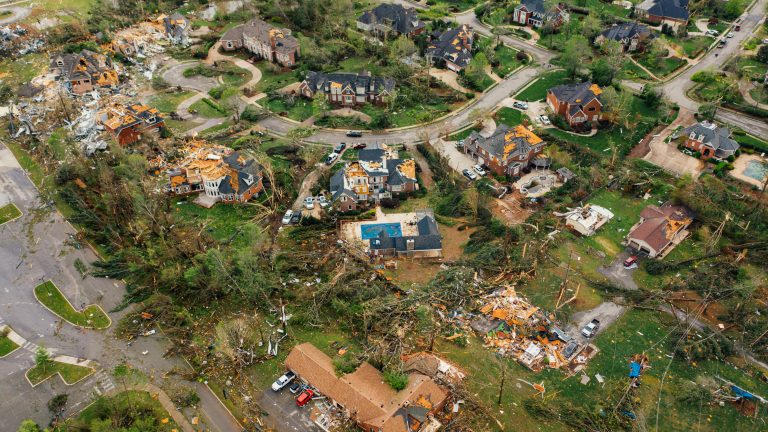
Hail is the dominant damage source. Summer thunderstorms tracking northeast through the valley regularly produce hailstones ranging from pea-sized to golf-ball diameter. Newer subdivisions in Lower Macungie, Upper Macungie, and Forks Township suffer disproportionately because many builders installed three-tab or basic architectural shingles that meet code minimums but lack impact resistance. These budget shingles crack, lose granules, and develop soft spots under hail that premium materials would withstand.
Wind damage compounds the hail problem. Straight-line winds from severe thunderstorms routinely exceed 60 mph in the open terrain of the valley’s suburban developments. Homes in newer communities around Bethlehem Township, Palmer Township, and Whitehall don’t have mature tree windbreaks yet, leaving roofs fully exposed. Wind tears off shingle tabs weakened by prior hail hits, turning moderate wind events into major damage situations.
Heavy rainfall overwhelms drainage on both older and newer homes. Allentown and Bethlehem’s older neighborhoods have aging gutter systems that fail under intense summer downpours. Newer developments face a different drainage problem — undersized gutters installed by builders who prioritized cost over performance. Either way, heavy rain finds every weak flashing seam and valley junction.
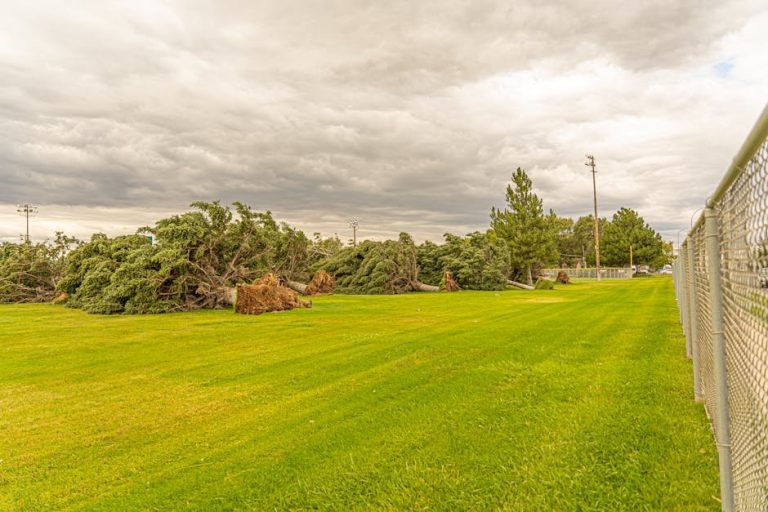
Fallen trees and limbs cause concentrated damage in established neighborhoods. South Bethlehem, West Allentown, and College Hill in Easton have mature canopy cover that sheds massive branches during storms.
How to Document Roof Storm Damage for Your Insurance Claim
Documentation quality determines your claim outcome. Build your case for a storm damage roof claim in the Lehigh Valley with these steps.
Step 1: Ground-level photos immediately. Walk the perimeter and photograph missing shingles, dented gutters, bent flashing, scattered debris, and any visible roof surface damage. Wide shots of each roof face and close-ups of damage points. Timestamp everything.
Step 2: Interior inspection. Check attic spaces, ceilings, and walls for water stains, active drips, wet insulation, and daylight through the deck. Photograph all signs of water entry. Interior evidence connects exterior damage to real water intrusion.
Step 3: Weather records. The NWS Mount Holly office covers the Lehigh Valley. Download the storm report documenting confirmed hail sizes, wind speeds, and damage reports for your area and date.
Step 4: Professional inspection. Hire an HIC-registered contractor to inspect the roof and produce a written damage report with photos. On newer homes with builder-grade shingles, a professional eye distinguishes between hail damage and material deficiency — both may be present, but only storm damage triggers your insurance claim.
Step 5: File within 48 hours. Pennsylvania requires prompt notice. The Pennsylvania Insurance Department handles complaints about delayed or unfairly denied claims.
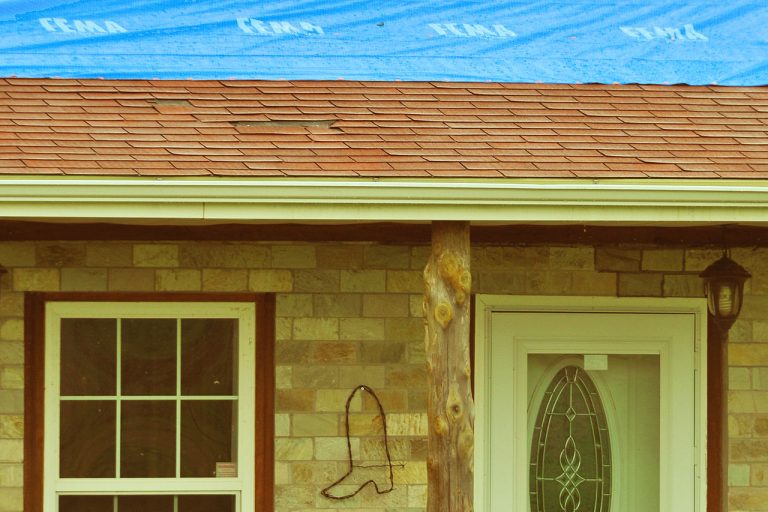
If you have active leaks, arrange emergency roof tarping after storm damage before your adjuster arrives. Your policy covers reasonable emergency mitigation.
Need your Lehigh Valley roof assessed after a storm? Get a free roofing estimate from a contractor who handles eastern PA hail claims regularly.
What Your Homeowners Insurance Covers — and What It Doesn’t
Pennsylvania HO-3 policies cover sudden storm damage — hail, wind, fallen trees, lightning. Your insurer pays repair or replacement costs minus your deductible.
The Lehigh Valley’s most common claim complication involves builder-grade materials on newer homes. Insurers argue that shingle failure on 8-to-12-year-old roofs resulted from poor material quality rather than storm impact. A three-tab shingle rated for 60 mph winds and minimal hail resistance fails earlier than premium products — and insurers use that expected lifespan argument to reduce payouts. Your contractor’s documentation showing specific hail impact patterns — circular bruising, fresh granule displacement at impact sites, and cracked mat beneath the surface — proves storm causation regardless of material grade.
Percentage-based wind/hail deductibles are common in Lehigh Valley policies. A 2% deductible on a $325,000 home means $6,500 before coverage kicks in. Review your declarations page before filing.
Flood damage from the Lehigh River and its tributaries isn’t covered under standard policies. Low-lying areas in South Bethlehem, Easton’s waterfront, and sections along the Lehigh Canal need separate NFIP coverage.
Cosmetic damage exclusions are appearing in Pennsylvania policies. If your insurer applies this clause, hail damage that doesn’t immediately affect function may be denied. This exclusion is particularly problematic in the Lehigh Valley, where repeated moderate hail events cause cumulative damage that eventually leads to leaks.
How to Find a Storm Damage Roofing Contractor in the Lehigh Valley
The Lehigh Valley’s position along I-78 and Route 22 makes it easy for out-of-state storm chasers to sweep through after hail events. They arrive fast, canvass new subdivisions, and target homes with visible damage. In 36 years of Mid-Atlantic roofing work, I’ve seen this pattern destroy homeowners’ claims and leave behind roofing jobs that leak within two seasons.
Pennsylvania requires all roofing contractors to register with the Home Improvement Contractor (HIC) program through the Attorney General’s office. Verify registration before signing any contract.
The Lehigh Valley’s mix of older urban homes and newer suburban construction requires different skill sets. A contractor experienced with Allentown’s century-old slate roofs may not handle newer subdivisions’ warranty-compliant shingle installations correctly — and vice versa. Ask about experience with your specific home type.
Verify general liability and workers’ compensation insurance. Never sign an Assignment of Benefits (AOB) transferring claim control.
Red flags: door-to-door solicitation right after storms, no Lehigh Valley business address, offers to waive your deductible (insurance fraud in Pennsylvania), and contractors who can’t provide local references from the past 12 months.
Timeline: From Storm to Settled Claim
Pennsylvania insurance regulations set specific timelines for Lehigh Valley homeowners.
Day 1-2: Document and file. Insurers must acknowledge claims within 10 working days.
Day 3-15: Adjuster inspection. After valley-wide hail events, expect heavy adjuster caseloads that push toward the full window.
Day 15-30: Initial estimate delivered. Compare with your contractor’s scope — material grade disputes on newer homes often drive cost differences.
Day 30-45: Negotiate disagreements. Joint re-inspection resolves most disputes.
Day 45-90: Repairs completed and final payment. Pennsylvania requires prompt payment of undisputed amounts.
File a complaint with the Pennsylvania Insurance Department if your insurer misses these timelines.
Related Roofing Resources
- Pittsburgh storm damage roof claims
- Harrisburg storm damage roof claims
- Whether homeowners insurance covers roof replacement
Frequently Asked Questions
Why does the Lehigh Valley get so much hail?
The valley sits in a geographic corridor between the Blue Mountain and South Mountain ridges that channels thunderstorm energy. This terrain effect concentrates hail-producing storms as they move northeast through the region. NOAA data confirms the Lehigh Valley consistently logs more hail reports than surrounding areas at similar latitudes.
Will insurance cover my roof if builder-grade shingles failed in a hailstorm?
Yes — storm damage is a covered peril regardless of material grade. The challenge is proving the damage came from hail rather than premature material failure. Your contractor documents specific impact patterns — circular bruising, localized granule loss at strike points — that only hail produces. Material deficiency and storm damage can coexist on the same roof.
Should I replace my roof with impact-resistant shingles after a storm claim?
If your insurer is paying for a full replacement, upgrading to Class 4 impact-resistant shingles is worth the out-of-pocket difference. Some Pennsylvania insurers offer premium discounts for impact-resistant roofing, and the material pays for itself over time in a high-hail area like the Lehigh Valley.
My home is only 10 years old. Can the insurer depreciate my roof?
Yes, but depreciation on a 10-year-old roof should be modest. Most shingle warranties cover 25-30 years. If your insurer depreciates aggressively on a relatively new roof, challenge the calculation. Pennsylvania policies with recoverable depreciation let you reclaim withheld amounts after completing repairs at the full approved scope.
Philadelphia homeowners face similar Pennsylvania insurance rules in a denser urban setting — read our guide on storm damage roof claims in Philadelphia for the comparison.
For current replacement pricing in this market, check our guide on roof replacement cost Lehigh Valley.
Hail damage on Lehigh Valley roofs compounds with every storm — weakened shingles crack further, granule loss accelerates, and leaks develop where none existed before. Get a free roofing estimate today and break the cycle before the next hailstorm hits.