Harrisburg Storm Damage Roof Claims: Pennsylvania Homeowner’s Guide
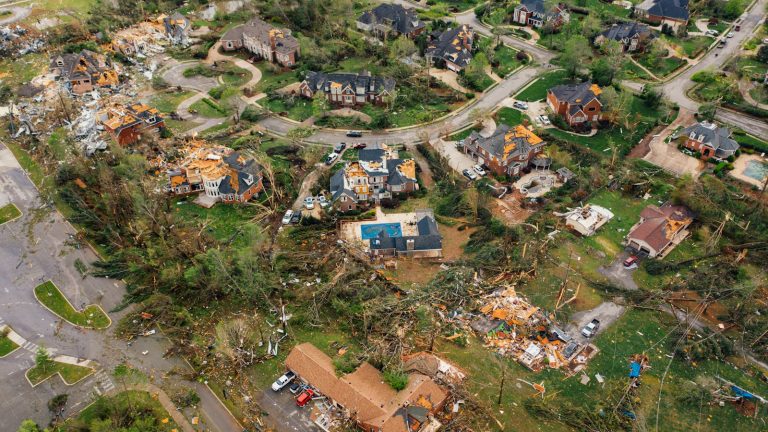
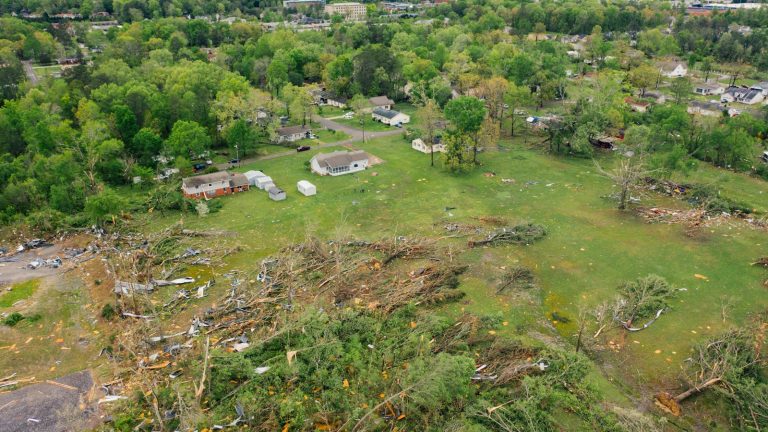
Harrisburg sits in the Susquehanna River valley, and that geography turns ordinary storms into roof-wrecking events. The valley acts like a funnel — wind systems accelerating from both the northwest and the southeast get channeled through the corridor, hitting Harrisburg-area homes with stronger gusts than surrounding hilltop communities experience. Combine that with central Pennsylvania’s active hail season and you’ve got a metro area where storm damage roof claims are a regular part of homeownership. If a storm recently damaged your roof, here’s how to file a hail and wind damage roof claim in Pennsylvania with the details Harrisburg homeowners need.
Common Storm Damage Types in Harrisburg
Harrisburg and the surrounding communities — Mechanicsburg, Camp Hill, Lemoyne, and Hershey — face a storm mix that attacks roofs from multiple angles throughout the year.
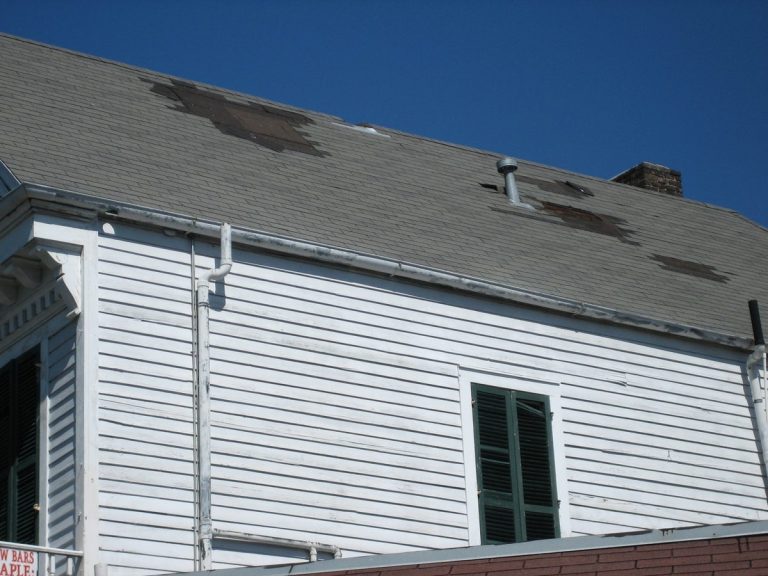
Wind damage tops the list. The Susquehanna valley funneling effect means Harrisburg regularly experiences higher wind speeds than the regional average during thunderstorms and nor’easters. Wind gusts that measure 50 mph at weather stations outside the valley hit 65-70 mph as they accelerate through the corridor. This lifts shingle edges, peels back courses along wind-facing roof planes, and tears off ridge caps. Homes along the riverfront in Shipoke and on the west shore in Camp Hill and New Cumberland catch concentrated wind events.
Hail follows closely. Central Pennsylvania sees multiple hail events per season, typically from May through September. Harrisburg falls within a regional hail corridor that produces stones large enough to crack shingles and strip granules. Dauphin County averages more hail damage claims per capita than many eastern Pennsylvania counties.
Severe thunderstorm downpours overwhelm drainage on older homes. Harrisburg’s housing stock includes many homes from the early 1900s through mid-century with original or aging gutter systems. When three inches of rain falls in an hour — common during summer cells — these systems fail and water backs up under shingles, behind fascia, and into soffit cavities.
Ice storms damage Harrisburg roofs during winter. Freezing rain coats surfaces, and the accumulated weight bends gutters, cracks ridge vents, and pulls fascia boards away from rooflines. The valley’s temperature inversions trap cold air, making ice events more frequent and persistent than on higher ground.
How to Document Roof Storm Damage for Your Insurance Claim
Thorough documentation is the foundation of every successful storm damage roof claim in Harrisburg Pennsylvania. Start within 24 hours of the storm.
Step 1: Photograph all exterior damage. Walk the perimeter and capture missing shingles, dented gutters, damaged flashing, and debris impacts. Wide shots of each roof face and close-ups of specific damage points. Timestamp everything.
Step 2: Check the interior. Inspect attic spaces for wet insulation, water tracks on rafters, and daylight through the deck. Check all ceilings and walls for stains and active drips. Photograph every sign of water entry.
Step 3: Pull weather records. The NWS State College office covers the Harrisburg metro. Download the storm report for your date and zip code — it documents confirmed hail sizes, peak wind gusts, and local damage reports.
Step 4: Professional roof inspection. Hire an HIC-registered contractor to inspect the roof and provide a written damage report with photos. They identify damage invisible from the ground — cracked pipe boots, bruised shingles, lifted flashing seams. Their independent documentation strengthens your claim.
Step 5: File within 48 hours. Pennsylvania doesn’t impose a statutory deadline, but prompt notice is required. The Pennsylvania Insurance Department handles consumer complaints about delayed or unfairly denied claims.
For active leaks, arrange emergency roof tarping after storm damage immediately. Your policy covers reasonable emergency mitigation expenses.
Need a professional assessment? Get a free roofing estimate from a Harrisburg-area contractor who handles central PA storm claims.
What Your Homeowners Insurance Covers — and What It Doesn’t
Pennsylvania HO-3 policies cover sudden storm damage — hail, wind, fallen trees, lightning. Your insurer pays repair or replacement costs minus your deductible.
The most common denial in Harrisburg involves the valley’s wind pattern. Adjusters sometimes argue that homes in the Susquehanna corridor have “inherent wind exposure” and that shingle lifting resulted from routine conditions rather than a specific storm event. This is a weak argument when weather data shows a qualifying storm with measured wind speeds above damage thresholds. Your NWS storm report and contractor’s damage documentation counter this denial.
Percentage-based wind/hail deductibles are growing in central PA policies. A 2% deductible on a $275,000 Harrisburg home means $5,500 out of pocket. Know your deductible type before filing.
Older homes in Harrisburg’s historic neighborhoods — Midtown, Shipoke, and Old Uptown — sometimes require period-appropriate materials. If your insurer approves basic asphalt shingles when your historic district requires slate or architectural alternatives, document the local requirements and push for appropriate coverage.
Flood damage from the Susquehanna isn’t covered under standard policies. Riverfront neighborhoods and low-lying areas near Wildwood Lake and Paxton Creek need separate NFIP coverage. Storm damage from wind and hail remains covered even during flood events.
How to Find a Storm Damage Roofing Contractor in Harrisburg
Central Pennsylvania sees storm chaser activity after every major hail event, with out-of-state contractors moving through the I-81 corridor targeting Harrisburg-area subdivisions. In my 36 years working across the Mid-Atlantic, the story always ends the same — rushed work, thin materials, and a contractor who’s three states away when problems surface.
Pennsylvania requires roofing contractors to register with the Home Improvement Contractor (HIC) program through the Attorney General’s office. Verify registration before signing anything. This is your first checkpoint.
Ask for Harrisburg-area references from the past year. Local contractors know the valley’s wind patterns, ice dam problem areas, and which materials hold up under central PA conditions. An out-of-state contractor doesn’t have that knowledge.
Verify general liability and workers’ compensation coverage. Never sign an Assignment of Benefits (AOB) transferring your claim rights to the contractor.
Red flags: unsolicited door knocking after storms, no verifiable central PA business address, offers to cover your deductible (fraud under Pennsylvania law), and pressure to sign before your adjuster inspects.
Timeline: From Storm to Settled Claim
Pennsylvania insurance regulations protect Harrisburg homeowners with clear claim processing timelines.
Day 1-2: Document and file. Pennsylvania requires insurers to acknowledge claims within 10 working days.
Day 3-15: Adjuster inspects. After widespread hail or wind events across central PA, expect the full window as adjusters handle heavy caseloads.
Day 15-30: Initial estimate arrives. Compare against your contractor’s scope. Valley-specific wind damage patterns sometimes require explanations that standard adjusters miss.
Day 30-45: Negotiate differences. A joint re-inspection with your contractor present resolves most disputes.
Day 45-90: Repairs completed and final payment issued. Pennsylvania requires prompt payment of undisputed amounts.
Contact the Pennsylvania Insurance Department if your insurer stalls or denies your claim without proper justification.
Related Roofing Resources
- Philadelphia storm damage roof claims
- Lehigh Valley storm damage claims
- Whether homeowners insurance covers roof replacement
Frequently Asked Questions
Does the Susquehanna valley really make Harrisburg wind damage worse?
Yes. River valleys channel and accelerate wind flow. The Susquehanna corridor running through Harrisburg amplifies wind speeds during storms approaching from both the northwest and southeast. This means Harrisburg homes experience stronger gusts than weather stations on higher ground measure, which can make adjusters underestimate storm severity based on regional data alone.
How often does Harrisburg get damaging hail?
Central Pennsylvania averages multiple significant hail events per year, concentrated in the May through September window. Dauphin County sits in a regional hail belt that extends across central PA. Even moderate hail events damage aging shingles and strip the granule coating that protects against UV and water penetration.
Will my insurer deny my claim if my roof is over 15 years old?
Age alone doesn’t disqualify a claim. Your insurer may apply depreciation to the payout, reducing the initial check. Most Pennsylvania policies include recoverable depreciation — you get the withheld amount back after completing repairs at the full approved scope. Your contractor’s documentation proving storm-caused damage is what matters, not roof age.
What should I do if I see damage on my neighbor’s roof but not mine?
Get your roof inspected anyway. Storm damage patterns are inconsistent — wind direction and hail trajectory create uneven damage across neighboring homes. Damage you can’t see from the ground may exist on your shingle surfaces, flashings, or pipe boots. A professional inspection catches hidden damage that would go unnoticed until the next rain.
Pittsburgh homeowners face similar Pennsylvania insurance rules with different terrain challenges — read our guide on storm damage roof claims in Pittsburgh for the western PA comparison.
For current pricing on full replacements in this market, see our guide on roof replacement cost Harrisburg Pennsylvania.
Every day storm damage sits on your Harrisburg roof, the valley’s wind and rain drive water deeper into your home’s structure. Get a free roofing estimate today and stop the damage from compounding.