Storm Damage Roof Claim in Frederick, Maryland: Step-by-Step Guide
Storm Damage Roof Claim in Frederick, Maryland: Step-by-Step Guide
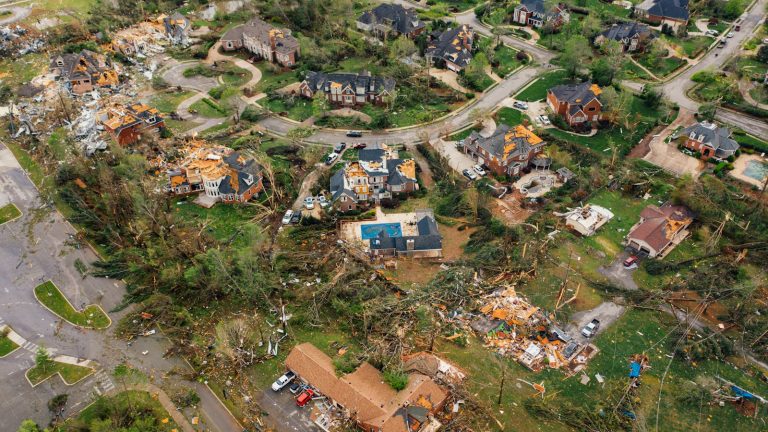
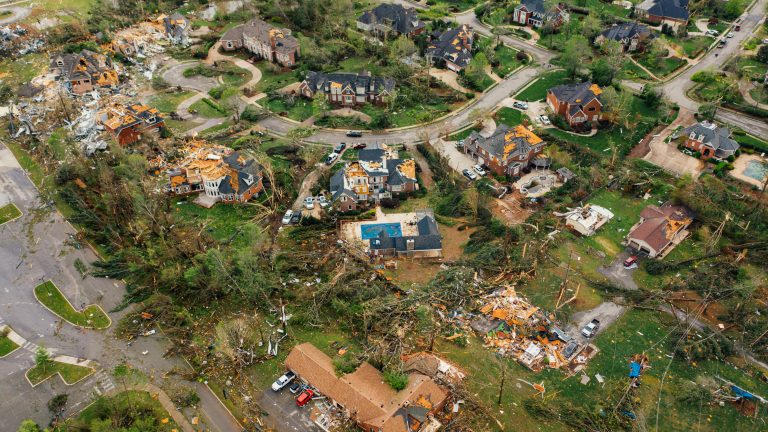
Frederick County catches its share of severe weather—summer thunderstorms with damaging hail, straight-line winds, the occasional tornado warning, and winter storms that bring ice and heavy snow loads. When a storm damages your roof, the clock starts ticking on getting it fixed and getting your insurance claim filed properly.
I’ve worked with Frederick County homeowners through hundreds of storm damage roof claims over 36 years in the Mid-Atlantic roofing industry. The process has specific steps, and doing them in the right order makes the difference between a smooth claim and a drawn-out fight with your insurer.
Step 1: Document the Damage Immediately
As soon as it’s safe after the storm, start documenting:
- Photograph everything: Take wide-angle shots of the full roof from the ground, close-ups of visible damage (missing shingles, dented gutters, broken flashing), and interior shots of any water stains or leaks in the attic and ceilings.
- Note the date and time: Record exactly when the storm occurred. Your insurer will match your claim to weather data for Frederick County.
- Save damaged materials: If shingles or other materials blew off, keep samples. They serve as physical evidence of the damage.
- Check the entire property: Storm damage isn’t limited to the roof. Document damage to siding, gutters, downspouts, fences, outdoor structures, and vehicles.
Do not attempt to climb on the roof yourself. A visual inspection from the ground and attic is sufficient for initial documentation. A professional roofer will do the detailed roof-level inspection.
Step 2: Make Emergency Repairs Only
If your roof is actively leaking, you’re expected to take reasonable steps to prevent further damage. This is called “mitigating the loss” and your policy requires it. Cover openings with a tarp, place buckets under leaks, and move valuables away from water intrusion.
Keep all receipts for emergency materials and repair services. Your insurer should reimburse these costs as part of the claim. Do not make permanent repairs before the adjuster inspects—permanent work done before the inspection can complicate or void your claim.
Step 3: Get a Professional Roof Inspection
Call a licensed Frederick County roofing contractor for a professional storm damage inspection. An experienced roofer knows what adjusters look for and can identify damage you’d miss from the ground:
- Hail dimples in shingles (often invisible from below)
- Lifted or creased shingles from wind
- Cracked or displaced flashing
- Dented ridge caps and vents
- Bruised or punctured underlayment
- Impact marks on metal components like gutters and downspouts
Many Frederick contractors offer free storm damage inspections. The contractor should provide a written report with photos documenting every area of damage. This report strengthens your claim.
Step 4: File Your Insurance Claim
Contact your homeowners insurance company to open a claim. Have your documentation ready:
- Date and description of the storm
- Your photos and notes
- The contractor’s inspection report
- Receipts for any emergency repairs
Your insurer will assign a claim number and schedule an adjuster visit. In Frederick County, adjuster wait times range from a few days to several weeks depending on how widespread the storm damage was.
Step 5: The Adjuster Inspection
The insurance adjuster’s job is to assess the scope and cost of damage. Here’s how to handle this step:
- Have your contractor present: Your roofer should attend the adjuster’s inspection. They can identify damage the adjuster might miss, including subtle hail impacts and wind-lifted shingles.
- Walk the property together: Don’t just focus on the roof. Show the adjuster all storm-related damage including gutters, siding, fencing, and outdoor structures.
- Don’t accept the first estimate blindly: The adjuster’s initial assessment may not capture everything. If your contractor’s scope of damage exceeds the adjuster’s, your contractor can submit a supplement request with supporting documentation.
The adjuster will prepare a scope of loss and cost estimate using industry-standard pricing software (typically Xactimate). This becomes the basis for your payout.
Dealing with a storm damage claim and need a qualified Frederick contractor? Get a free estimate from roofing professionals experienced with Frederick County insurance restoration projects.
Step 6: Review Your Payout
Once the adjuster’s report is finalized, your insurer issues payment. How this works depends on your policy type:
- Replacement Cost Value (RCV): The insurer pays the full replacement cost, often in two checks—an initial payment minus your deductible, then a supplemental payment after work is completed and invoiced. This is the better policy type for roof claims.
- Actual Cash Value (ACV): The insurer deducts depreciation based on your roof’s age. A 15-year-old roof on a 30-year shingle gets roughly 50 percent depreciation applied, meaning you pay the difference out of pocket.
If your payout seems too low, you have options. Request a re-inspection, submit your contractor’s detailed estimate as a supplement, or hire a public adjuster to negotiate on your behalf.
Understanding Your Frederick County Deductible
Most Frederick homeowners have a standard deductible of $1,000 to $2,500. Some policies—especially those written or renewed after recent storm years—include a separate wind/hail deductible that can be 1 to 2 percent of your dwelling coverage. On a home insured for $400,000, a 2 percent wind/hail deductible is $8,000. Review your declarations page carefully before filing to understand your actual out-of-pocket cost.
Common Mistakes Frederick Homeowners Make
- Waiting too long to file: Maryland policies typically require claims within one year, but filing within days or weeks produces the best results. Delays invite questions about whether the damage was really from the reported storm.
- Not having a contractor at the adjuster inspection: The adjuster works for the insurance company. Your contractor is your advocate and can identify damage the adjuster might overlook or undervalue.
- Accepting the first estimate without review: Initial adjuster estimates are often conservative. Supplements are a normal part of the process—your contractor can submit additional documentation for missed items.
- Hiring storm chasers: After major storms, out-of-state contractors flood Frederick County with aggressive door-to-door pitches. Many disappear before warranty issues arise. Use established local contractors.
- Signing an Assignment of Benefits (AOB): Some contractors ask you to sign over your insurance benefits to them. This limits your control over the claim. In most cases, you’re better off managing the claim yourself with your contractor as an advisor.
What Storm Damage Looks Like on a Frederick Roof
Frederick County’s most common storm damage includes:
- Hail damage: Circular dimples or bruises in asphalt shingles, dented metal flashing and vents, cracked ridge caps. Hail damage often isn’t visible from the ground and requires a close-up roof inspection to document.
- Wind damage: Missing shingles, lifted or creased shingle tabs, exposed underlayment, displaced ridge caps, and damaged drip edge.
- Fallen tree or limb damage: Punctured or crushed sheathing, broken rafters, widespread shingle displacement. Tree damage often requires structural repair beyond just the roofing surface.
For broader context on filing roof damage claims across the state, see our Maryland storm damage roof claim guide. If you’re in the Baltimore metro area, our Baltimore storm damage claim guide covers that market specifically.
Choosing a Frederick Contractor for Insurance Restoration
Not every roofer is experienced with insurance claims. For a storm damage project, you want a contractor who:
- Has documented experience with insurance restoration projects in Frederick County
- Will attend the adjuster inspection and advocate for the full scope of damage
- Understands Xactimate pricing and how to write proper supplements
- Holds a valid Maryland MHIC license and carries full insurance
- Won’t pressure you to sign an Assignment of Benefits
- Will work with your insurance timeline, not rush you into decisions
If you also need to understand what a full roof replacement will cost in Frederick, our Frederick roof replacement cost guide covers current 2026 pricing. And for statewide cost context, see our Maryland roof replacement cost guide.
Frequently Asked Questions
How do I file a storm damage roof claim in Frederick, Maryland?
Start by documenting damage with photos from the ground and inside the attic. Contact a licensed roofing contractor for a professional inspection. Then call your insurance company to open a claim. Your insurer will send an adjuster to assess the damage. Your contractor should be present during the adjuster’s inspection to point out all affected areas.
How long do I have to file a roof damage claim in Frederick County?
Most Maryland homeowners insurance policies require claims to be filed within one year of the damage event. However, filing promptly—within days or weeks—produces better outcomes. Delays allow secondary damage like leaks and mold, and insurers may question why you waited.
Will my insurance cover the full cost of a new roof in Frederick?
If the damage was caused by a covered peril like wind, hail, or a fallen tree, your policy typically covers the full replacement cost minus your deductible. Actual Cash Value (ACV) policies deduct depreciation. Replacement Cost Value (RCV) policies pay the full replacement amount. Check your policy type before filing.
Should I get a roofing inspection before filing an insurance claim in Frederick?
Yes. A professional inspection identifies all damage—including areas not visible from the ground—and creates documentation that strengthens your claim. Many Frederick roofing contractors offer free storm damage inspections. Having this report when you call your insurer speeds up the claims process.
Get Help With Your Frederick Storm Damage Claim
A storm damage claim isn’t something you should handle alone. The right roofing contractor makes the difference between a fair payout and leaving money on the table. Start with a professional inspection to understand the full scope of damage, then file your claim with solid documentation.
Don’t wait. Request a free storm damage inspection from experienced Frederick County roofing contractors who handle insurance claims every day.