Filing a Storm Damage Roof Claim in Philadelphia: Step-by-Step Guide
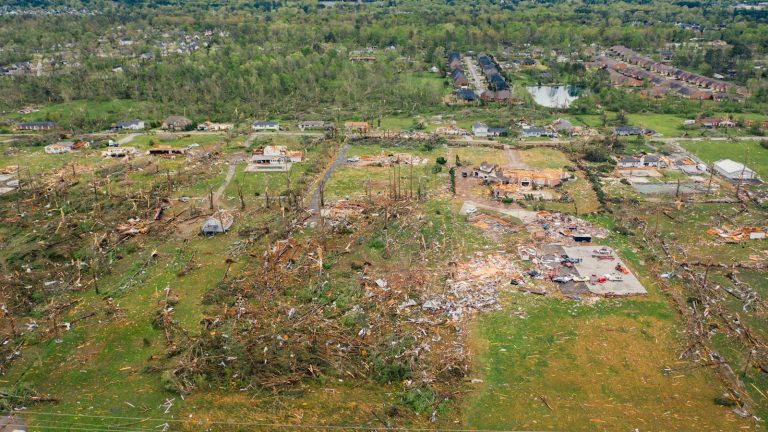
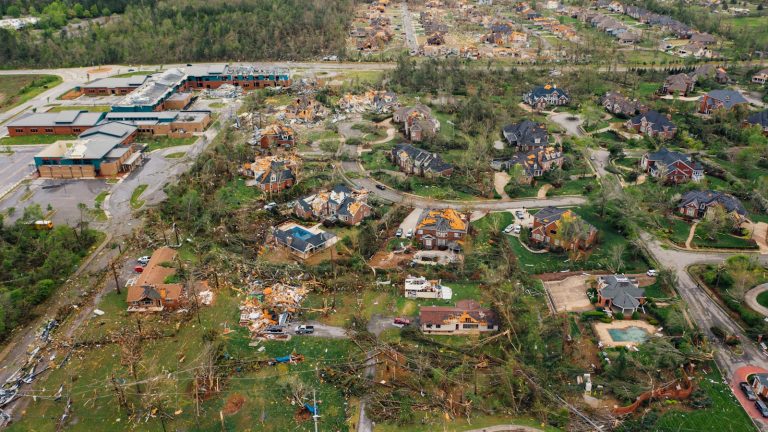
A single hailstorm in Philadelphia can turn a quiet Tuesday evening into a neighborhood-wide roofing crisis. From Kensington to Chestnut Hill, from South Philly rowhouses to Manayunk colonials, storm damage hits fast and leaves homeowners scrambling to figure out what’s covered and what’s not. Philadelphia sits right in the path of severe weather systems that roll across Pennsylvania from spring through fall, bringing hail, high winds, and torrential rain that punish residential roofs across every zip code in the city. If you need to file a hail and wind damage roof claim in Pennsylvania, here’s how Philadelphia homeowners should handle the process from start to finish.
Common Storm Damage Types in Philadelphia
Philadelphia gets hit by a mix of storm types that each attack roofs differently. Summer thunderstorms bring the worst hail — the city typically sees multiple hail events per season, with stones large enough to crack shingles and dent metal flashing. Northeast Philadelphia and the Far Northeast neighborhoods sit on slightly higher ground and tend to catch hailstorms that skip over Center City.
Wind damage is constant. Philadelphia regularly experiences straight-line winds topping 50-60 mph during severe thunderstorms, and tropical storm remnants push those numbers higher. The 2021 remnants of Hurricane Ida dumped historic rainfall on the city and reminded everyone that Philadelphia isn’t immune to hurricane-force conditions. Wind peels back shingle tabs, tears off ridge caps, and loosens the flashing around chimneys and skylights.
Philadelphia’s rowhouse roofs present a unique vulnerability. Many are flat or low-slope designs that handle hail impacts differently than pitched roofs — granule loss concentrates in puddle zones, and ponding water after heavy rain accelerates deterioration where drainage is poor. Neighborhoods like Fishtown, Northern Liberties, and Passyunk see this pattern repeatedly. One blocked drain on a flat roof turns a rainstorm into an interior leak within hours.
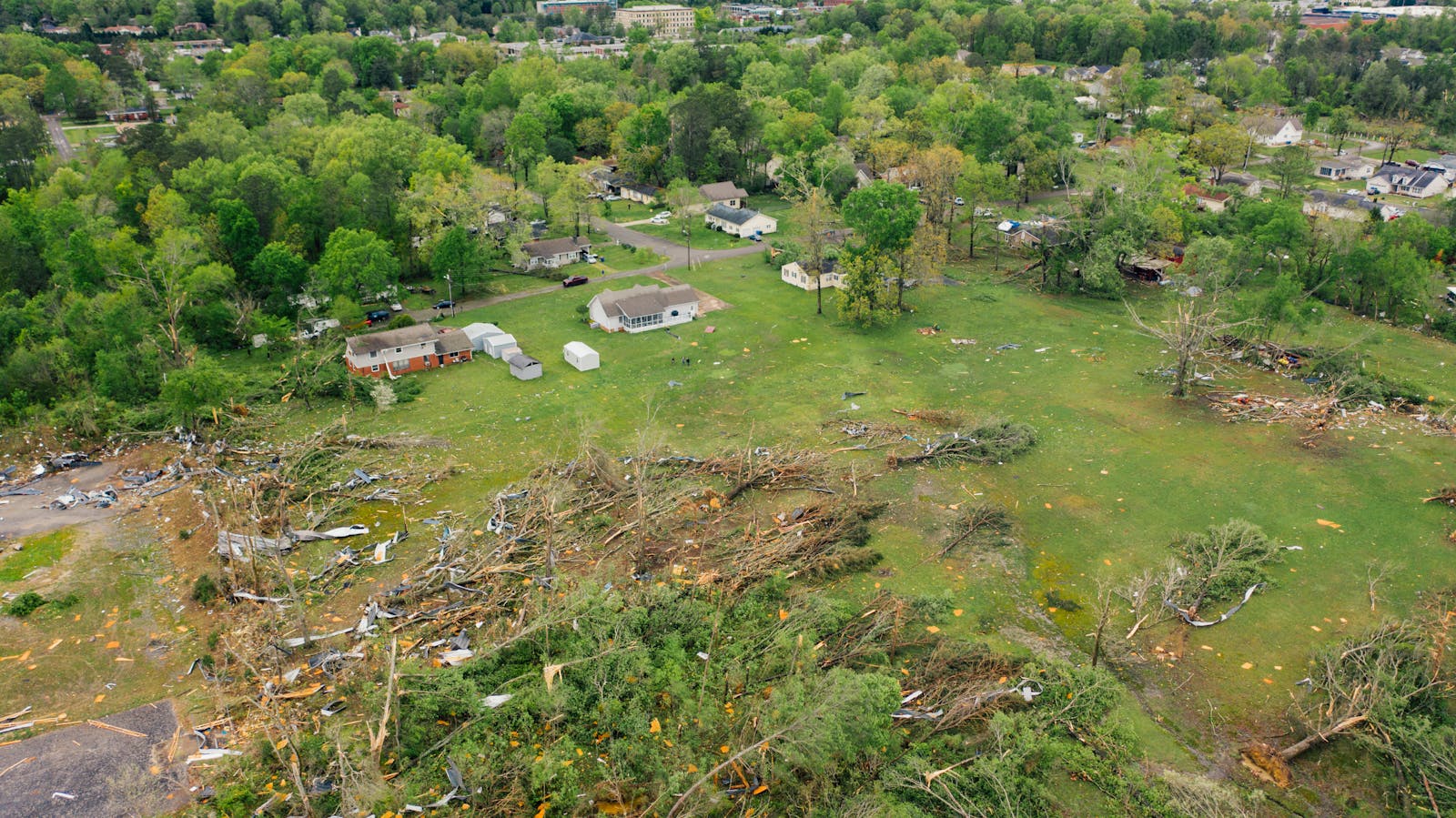
Fallen trees and debris cause significant damage in neighborhoods with mature canopy cover. Mount Airy, Germantown, and Roxborough lose large limbs during every major storm. A single falling branch can puncture a roof deck, destroy gutters, and crack rafters underneath.
How to Document Roof Storm Damage for Your Insurance Claim
Strong documentation wins storm damage claims. Weak documentation loses them. Here’s how to build your case for a storm damage roof claim in Philadelphia.
Step 1: Ground-level photos immediately after the storm. Walk your property and photograph every sign of damage — missing shingles, dented gutters, fallen branches, debris on the roof surface. Get wide shots of each side of your home and close-ups of damaged areas. Timestamp everything.
Step 2: Interior inspection. Check attic spaces, ceilings, and upper-floor walls for water stains, active drips, or soft spots. Photograph and video any signs of water entry. These interior records connect storm damage to real water intrusion.
Step 3: Gather weather verification. Download the National Weather Service storm report for your area and date. Philadelphia falls under the NWS Mount Holly, NJ forecast office. Hail reports, wind speed measurements, and storm warnings all support your claim.
Step 4: Professional roof inspection. Hire a licensed contractor to climb the roof and document damage you can’t see from the ground. Cracked pipe boots, lifted flashing, bruised shingles without visible surface damage — a trained eye catches what photos from the yard miss.
Step 5: File your claim within 48 hours. Pennsylvania doesn’t mandate a specific filing window, but your policy requires prompt notification. The Pennsylvania Insurance Department oversees claim disputes and publishes consumer guides for homeowners. Contact them if your insurer stalls.
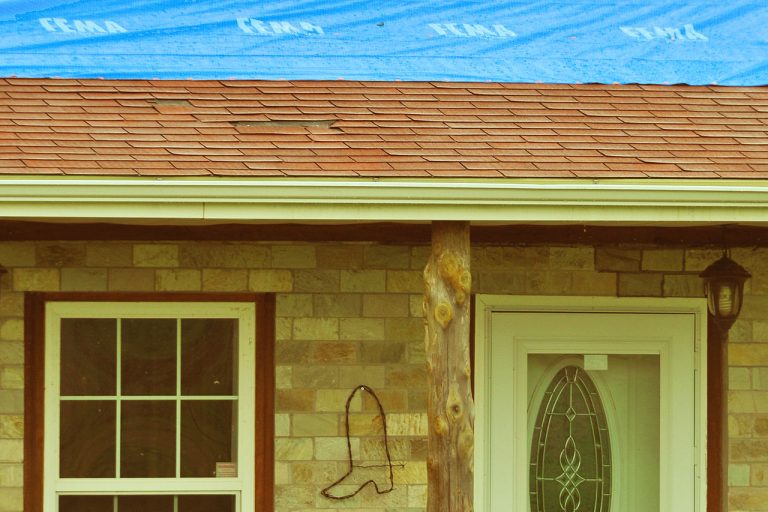
If you have active leaks, arrange emergency roof tarping after storm damage right away. Don’t wait for your adjuster — your policy covers reasonable emergency mitigation, and delaying makes interior damage worse.
Dealing with roof damage and unsure where to start? Get a free roofing estimate from a Philadelphia-area roofer who knows the local insurance process.
What Your Homeowners Insurance Covers — and What It Doesn’t
Standard HO-3 homeowners policies in Pennsylvania cover sudden storm damage to your roof. Hail, wind, fallen trees, and lightning are all covered perils. Your insurer should pay for repair or replacement minus your deductible.
The most common claim denial in Philadelphia involves flat and low-slope rowhouse roofs. Insurers argue that water damage resulted from “maintenance neglect” — poor drainage, worn membrane, or clogged scuppers — rather than the storm itself. If your adjuster leans this direction, your contractor’s inspection report showing fresh storm impact marks versus pre-existing wear becomes your strongest counter-evidence.
Percentage-based wind/hail deductibles are increasingly common in Philadelphia-area policies. Instead of a flat $1,000 deductible, you might face 1-2% of your dwelling coverage. On a $300,000 policy, that’s $3,000-$6,000 out of pocket. Review your declarations page before filing so there are no surprises.
Flood damage from storm surge or rising water isn’t covered under standard policies. Philadelphia’s Schuylkill River corridor and low-lying areas near Cobbs Creek and Tacony Creek are flood-prone. If you’re in a FEMA flood zone, you need separate NFIP coverage.
Cosmetic damage exclusions are appearing in more Pennsylvania policies. These clauses let insurers deny hail damage claims when the damage is “cosmetic only” — meaning it affects appearance but not immediate function. If your policy has this language, granule loss from hail might not be covered even though it shortens your roof’s lifespan.
How to Find a Storm Damage Roofing Contractor in Philadelphia
Philadelphia sees a flood of out-of-state storm chasers after every major weather event. Having watched this cycle for 36 years across the Mid-Atlantic, I can tell you the pattern never changes — they knock doors, offer fast repairs, collect insurance money, and leave town before the first leak appears.
Pennsylvania requires roofing contractors to register with the Home Improvement Contractor (HIC) program through the Pennsylvania Attorney General’s office. Verify registration before signing anything. This is your first line of defense.
Demand proof of general liability insurance and workers’ compensation. Ask for certificates naming you as additionally insured. Any contractor who hesitates on this request isn’t worth your time.
Get references from Philadelphia jobs completed in the past year. Roofing conditions in Philly — flat roofs, shared party walls, tight lot access — require specific experience. A contractor who mainly works suburban pitched roofs may not handle your Fishtown rowhouse correctly.
Never let a contractor pressure you into signing an Assignment of Benefits (AOB) on the spot. AOB agreements transfer your claim rights to the contractor. Once signed, you lose negotiating leverage with your insurer. Keep control of your claim.
Red flags in Philadelphia: any contractor who knocks your door within hours of a storm, doesn’t have a local business address, asks for full payment upfront, or offers to cover your deductible. That last one is insurance fraud under Pennsylvania law.
Timeline: From Storm to Settled Claim
Pennsylvania insurance regulations set specific timelines that protect homeowners.
Day 1-2: Document damage and file your claim. Your insurer must acknowledge the claim within 10 working days under Pennsylvania’s Unfair Insurance Practices Act.
Day 3-15: Insurance adjuster inspects your property. After widespread storms, Philadelphia adjusters manage heavy caseloads and inspections may push toward the later end.
Day 15-30: Initial estimate arrives. Compare it line-by-line with your contractor’s estimate. Discrepancies are normal — adjusters and contractors often use different pricing databases.
Day 30-45: Negotiate differences. Your contractor can meet the adjuster for a re-inspection. Most legitimate disputes resolve at this stage.
Day 45-90: Repairs completed and final payment issued. Pennsylvania requires insurers to pay undisputed portions promptly. If recoverable depreciation applies, you’ll receive the withheld amount after repairs finish.
If your insurer misses these windows, file a complaint with the Pennsylvania Insurance Department. They track insurer performance and investigate patterns of delay.
Related Roofing Resources
- Pittsburgh storm damage roof claims
- Harrisburg storm damage roof claims
- Whether homeowners insurance covers roof replacement
Frequently Asked Questions
How do I know if hail damaged my Philadelphia roof?
Look for dented gutters, dings on metal vents or flashing, and dark spots on asphalt shingles where granules are missing. On flat roofs common in Philadelphia rowhouses, check for punctures or splits in the membrane. A professional inspection catches damage invisible from ground level.
Does my Philadelphia rowhouse’s flat roof qualify for storm damage claims?
Yes — flat and low-slope roofs are covered for sudden storm damage under standard policies. The challenge is proving the damage came from the storm rather than ongoing wear. Document your roof’s condition before storm season with dated photos. This “before” evidence makes claims significantly stronger.
What if my insurer says the damage is wear and tear, not storm damage?
Get a second opinion from a licensed roofing contractor with Philadelphia experience. Request a re-inspection with your contractor present. If you still disagree, Pennsylvania allows you to invoke the appraisal clause in your policy. You can also file a complaint with the Pennsylvania Insurance Department.
How much does a typical storm damage roof repair cost in Philadelphia?
Costs vary widely based on damage extent, roof type, and materials. For a full picture of current pricing in this market, check our guide on roof replacement cost Philadelphia. Your insurance should cover storm-related repairs minus your deductible.
Lehigh Valley homeowners face even higher hail frequency under the same Pennsylvania insurance rules — read our guide on storm damage roof claims in the Lehigh Valley for the eastern PA comparison.
Don’t let storm damage sit. Every rainstorm that follows pushes water deeper into your home’s structure and drives repair costs higher. If a storm recently hit your Philadelphia roof, get a free roofing estimate and protect your home before the next one hits.