Annapolis Storm Damage Roof Claims: What Maryland Homeowners Should Know
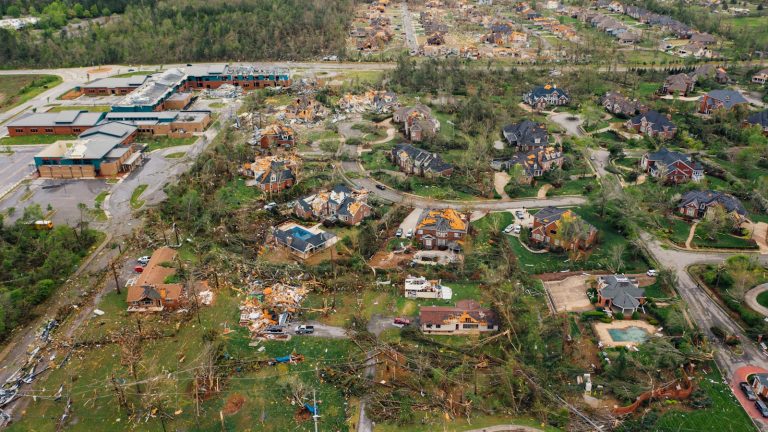
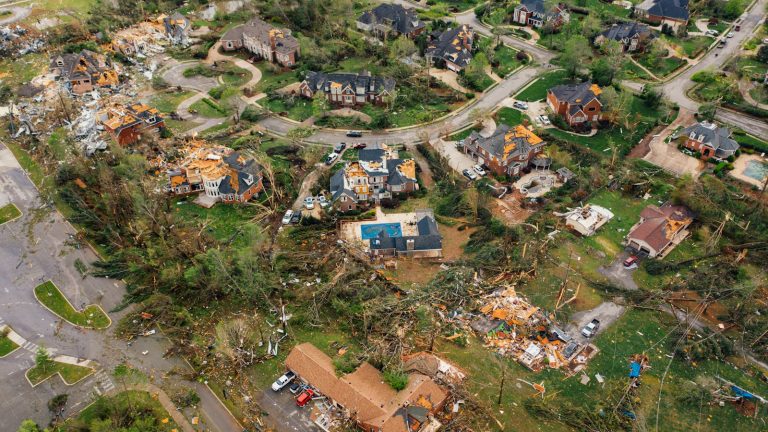
Annapolis takes a beating from the Chesapeake Bay, and your roof pays the price. Nor’easters blow in from the northeast, tropical remnants push up from the south, and severe summer thunderstorms roll across Anne Arundel County with hail and damaging winds that leave neighborhoods scrambling. As Maryland’s capital and a city packed with historic waterfront homes, Annapolis presents storm damage challenges that homeowners in inland communities never face. Filing a storm damage roof claim Maryland homeowners can rely on starts with understanding what makes this market different.
Common Storm Damage Types in Annapolis
Annapolis sits on the western shore of the Chesapeake Bay, exposing it to wind-driven weather from multiple directions. The bay acts as a storm accelerator — winds crossing open water pick up speed before hitting the city’s shoreline neighborhoods.
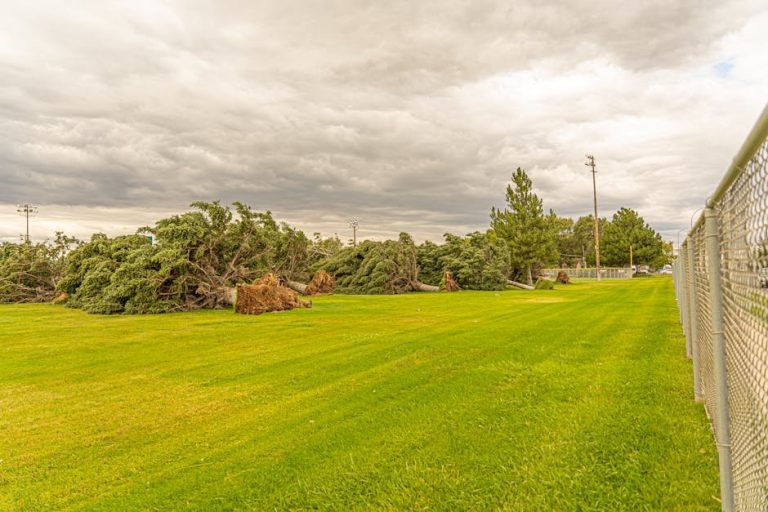
Nor’easters deliver the most sustained punishment. These systems park off the coast and batter Annapolis for 24 to 48 hours with steady winds and driving rain. Homes along the Severn River, in Eastport, and throughout the City Dock area face direct exposure. Prolonged wind fatigue loosens shingle adhesive bonds, progressively lifting tabs until entire sections peel away.
Hurricane and tropical storm remnants hit Annapolis regularly. The city lies within the track of storms moving up the Chesapeake Bay, and even weakened tropical systems produce 60-80 mph gusts that rip off ridge caps, tear away fascia, and drive rain horizontally through flashing seams.
Hail from summer thunderstorms damages Annapolis roofs multiple times per season. Suburban areas like Parole, Hillsmere, and the Broadneck Peninsula see concentrated hail events that crack shingles and pit metal flashings. One storm can damage an entire subdivision while leaving the next neighborhood untouched.
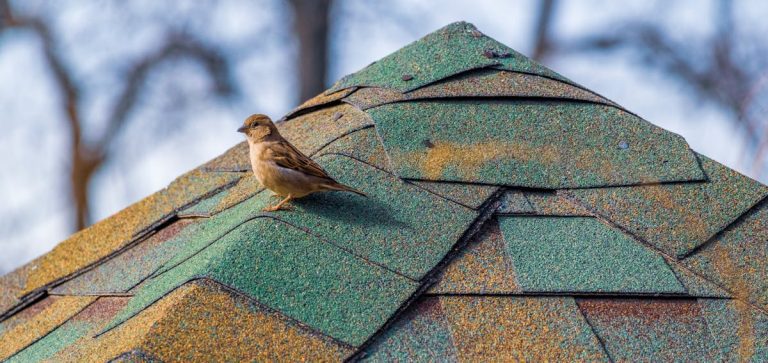
Salt air from the Chesapeake Bay accelerates roofing material breakdown year-round. This constant exposure weakens shingle granule adhesion, corrodes metal flashings, and degrades sealant compounds faster than in areas farther from the water. This matters because insurers scrutinize Annapolis claims closely — they often attribute damage on waterfront homes to salt air deterioration rather than storm impact. This age-and-wear argument is the most common denial tactic in Annapolis, and it’s frequently applied unfairly to homes that sustained genuine storm damage.
How to Document Roof Storm Damage for Your Insurance Claim
Annapolis homeowners face extra claim scrutiny because of the waterfront environment. Airtight documentation separates successful claims from denied ones on a storm damage roof claim in Annapolis Maryland.
Step 1: Exterior photos within 24 hours. Photograph missing shingles, dented gutters, damaged flashing, and any debris. Wide shots showing the full roofline plus close-ups of each damage point. Timestamp everything.
Step 2: Interior evidence. Check attics, ceilings, and walls for water stains, active drips, and damp insulation. Bay-area storms drive rain at angles that penetrate gaps normally dry. Photograph every interior sign of water entry.
Step 3: Weather records. The NWS Baltimore/Washington office covers Annapolis. Download the storm report with confirmed wind speeds, hail data, and damage reports. Bay-area weather stations capture wind data that proves storm severity.
Step 4: Professional inspection. A licensed contractor’s roof inspection is critical in Annapolis. They document fresh storm damage patterns versus pre-existing salt deterioration — the distinction that determines whether your claim gets approved or denied. Their written report with photos provides independent evidence your adjuster can’t ignore.
Step 5: File immediately. Call your insurer within 48 hours. Maryland requires prompt reporting. The Maryland Insurance Administration (MIA) handles disputes and enforces fair claim practices.
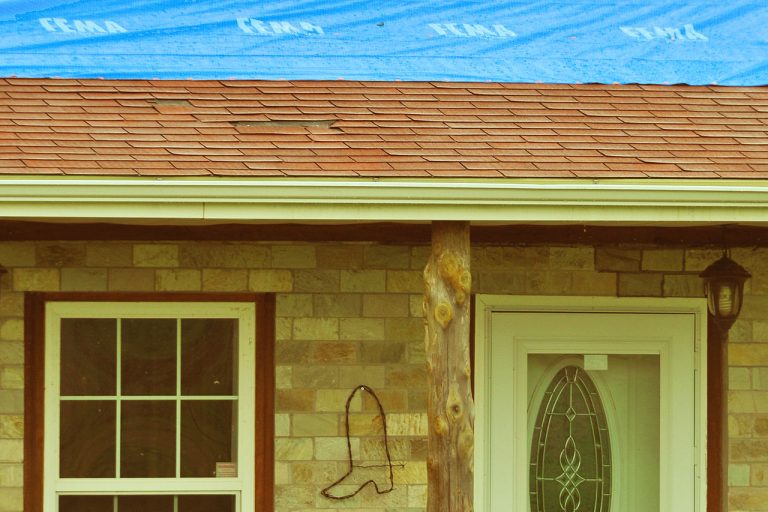
For active leaks, arrange emergency roof tarping after storm damage before permanent repairs begin. Maryland policies cover reasonable emergency mitigation.
Storm damage your Annapolis roof? Get a free roofing estimate from a local contractor who understands Chesapeake Bay climate claims.
What Your Homeowners Insurance Covers — and What It Doesn’t
Standard Maryland HO-3 policies cover sudden storm damage — hail, wind, fallen trees, lightning. Your insurer pays for repair or replacement minus your deductible.
The Annapolis-specific complication is the salt air denial. Insurers handling waterfront and near-waterfront claims frequently argue that shingle failure resulted from chronic salt exposure rather than the storm event. A roof showing granule erosion and brittle tabs gives adjusters ammunition to classify the entire claim as wear and tear. Your counter-evidence: a contractor’s inspection documenting fresh impact marks, directional damage patterns, and storm-specific failures like lifted flashing and displaced ridge caps that salt air alone doesn’t cause.
Historic Annapolis homes add another layer. The Historic District requires period-appropriate materials — cedar shakes, slate, or standing seam copper — that cost significantly more than standard asphalt replacements. Your policy’s “like kind and quality” language should cover these materials, but adjusters often push back. Document the Historic District’s material requirements and present them alongside your claim.
Wind and hail deductibles in Anne Arundel County policies are increasingly percentage-based. A 2% deductible on a $500,000 Annapolis home means $10,000 out of pocket. Review your declarations page before filing.
Flood damage from storm surge or tidal flooding requires separate NFIP coverage. Eastport, City Dock, and low-lying areas along Spa Creek and Back Creek flood during major storms.
How to Find a Storm Damage Roofing Contractor in Annapolis
Storm chasers descend on Annapolis after every major weather event, working waterfront neighborhoods where they know insurance payouts will be higher. In 36 years of working on Mid-Atlantic roofs, the pattern never changes — they promise quick fixes, collect insurance money, and leave before the first winter nor’easter tests their work.
Maryland requires all roofing contractors to hold a valid MHIC (Maryland Home Improvement Commission) license. Verify license status on the MHIC website before signing anything. This is non-negotiable.
Annapolis demands contractor experience with coastal conditions. Salt air, high moisture, and bay wind exposure require specific material choices and installation techniques. A contractor experienced in inland Maryland may not understand the ventilation, flashing, and material specifications that Annapolis homes demand.
For historic homes, verify the contractor has experience with slate, cedar, copper, or other period-appropriate materials. Ask for references from Annapolis Historic District projects.
Verify general liability and workers’ compensation insurance. Never sign an Assignment of Benefits (AOB) transferring claim control. Red flags: unsolicited door knocking after storms, offers to waive your deductible (insurance fraud in Maryland), no verifiable Anne Arundel County references, and pressure to sign before your adjuster inspects.
Timeline: From Storm to Settled Claim
Maryland insurance regulations set clear timelines for storm damage claims.
Day 1-2: Document and file your claim. Maryland requires insurers to acknowledge receipt within 15 working days.
Day 3-14: Adjuster inspects. Annapolis waterfront claims may involve a separate inspector evaluating pre-existing conditions.
Day 15-30: Initial estimate arrives. Review against your contractor’s scope. Material costs for historic or coastal-grade replacements often drive gaps.
Day 30-45: Negotiation on disputed items. A re-inspection with your contractor present resolves most differences.
Day 45-90: Repairs completed and final payment issued. Maryland requires prompt payment of undisputed amounts.
File a complaint with the MIA if your insurer misses these windows or denies your claim without adequate justification.
Related Roofing Resources
- Prince George’s County storm damage claims
- Whether homeowners insurance covers roof replacement
- Signs you need a roof replacement
- Deciding between roof repair and replacement
- How long roofs last in the Mid-Atlantic
- Financing a roof replacement
Frequently Asked Questions
Do Annapolis waterfront homes face higher claim denial rates?
Yes. Insurers apply greater scrutiny to homes near the Chesapeake Bay because salt air accelerates material aging. They use this pre-existing deterioration to deny storm damage claims. Counter this with a contractor’s inspection that clearly distinguishes fresh storm impact from background salt wear — the damage patterns are different and a trained eye can tell them apart.
Does the Annapolis Historic District affect my roof insurance claim?
If your home sits within the Historic District, local ordinances require period-appropriate roofing materials. Your insurance should cover “like kind and quality” materials, which includes the historically mandated option. If your insurer tries to approve cheaper materials that violate historic requirements, document the local standards and push back through the MIA.
How do I prove storm damage versus salt air wear on my Annapolis roof?
Storm damage shows sudden, directional patterns — shingles missing along one wind-facing plane, concentrated hail marks, fresh granule displacement in impact clusters. Salt wear shows gradual, uniform deterioration across all surfaces. Pre-storm dated photos of your roof help establish a baseline. Your contractor documents these distinctions in their inspection report.
Is flood damage from Bay storms covered under my homeowners policy?
No. Standard homeowners insurance never covers flooding from rising water, storm surge, or tidal overflow. If your Annapolis home is in a FEMA flood zone — and many waterfront properties are — you need separate NFIP flood insurance. Wind damage from the same storm remains covered under your homeowners policy.
For current pricing on roof replacements in the Annapolis market, see our guide on roof replacement cost Annapolis Maryland.
Baltimore homeowners face related but distinct challenges — read our guide on storm damage roof claims in Baltimore for a comparison.
Salt air and storm damage make a destructive combination on Annapolis roofs — every day unrepaired gives both forces more time to work. Get a free roofing estimate today and stop the cycle before your next claim gets harder to win.