How Long Does a Roof Last in Maryland, Virginia, DC, and Pennsylvania?
Understanding Roof Lifespan in the Mid-Atlantic Region
If you own a home or commercial property in Maryland, Virginia, Washington DC, or Pennsylvania, your roof faces a unique combination of weather challenges. From blistering summer heat and humidity to ice dams and nor’easters in winter, the Mid-Atlantic climate puts roofing materials to the test unlike almost any other region in the country.
Understanding how long your roof will last — and what factors shorten or extend that lifespan — is essential for budgeting, maintenance planning, and knowing when it’s time for a replacement. The answer to “how long does a roof last?” depends on your location, the materials installed, the quality of installation, and how well the roof has been maintained.
In this comprehensive guide, we’ll break down roof lifespan expectations for each Mid-Atlantic state, compare the most common roofing materials side by side, and help you make informed decisions about your property’s most important protective barrier.
Climate Factors That Affect Roof Lifespan in the Mid-Atlantic
Before diving into state-by-state specifics, it’s important to understand the regional climate factors that impact every roof in this part of the country:
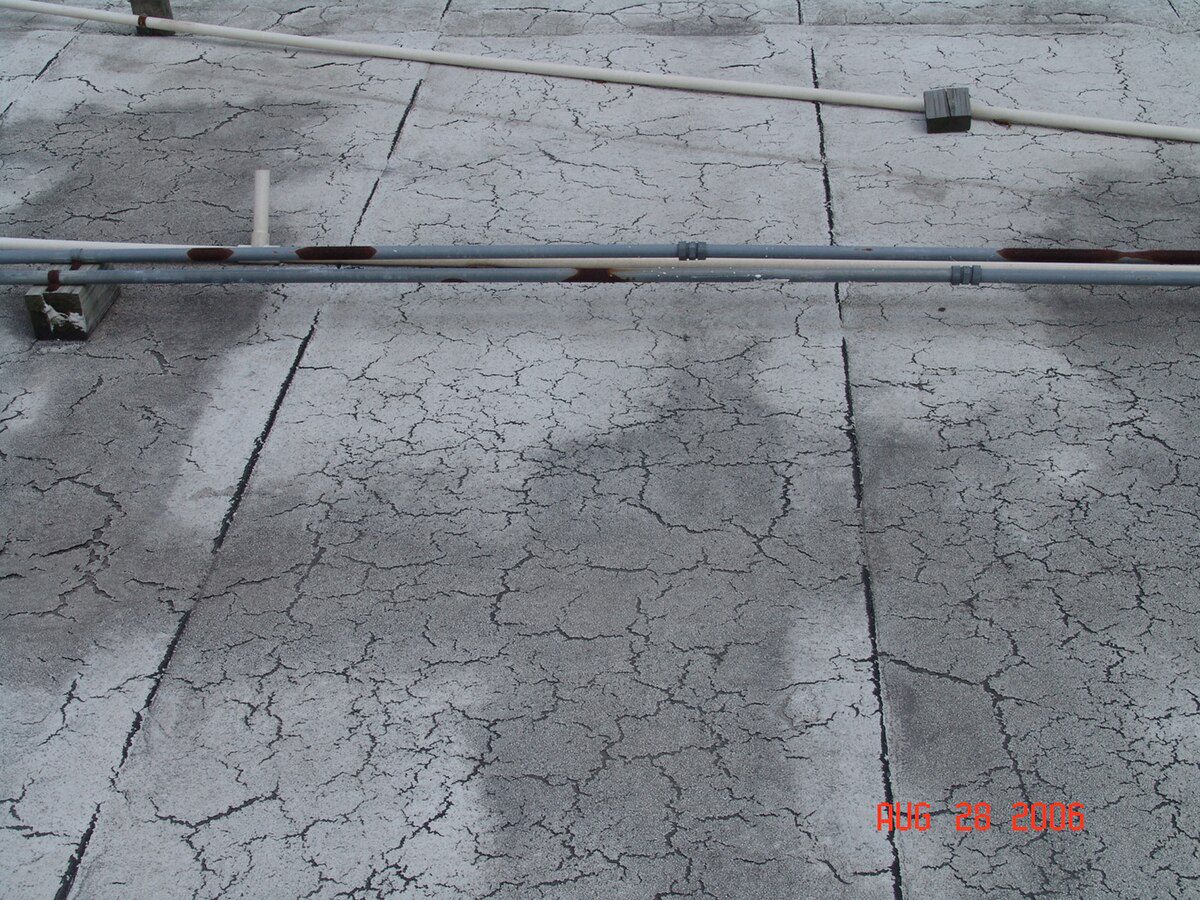
- Temperature swings: The Mid-Atlantic experiences dramatic temperature fluctuations, sometimes 40–50°F within a single week. This thermal cycling causes roofing materials to expand and contract repeatedly, leading to cracking, warping, and premature aging.
- Humidity and moisture: Summer humidity levels regularly exceed 70%, promoting algae growth, moss accumulation, and accelerated deterioration of organic roofing components.
- Wind events: From tropical storm remnants to powerful nor’easters, wind speeds can exceed 60 mph several times per year, testing the uplift resistance of every shingle and membrane.
- Snow and ice: Northern portions of the region (particularly Pennsylvania and western Maryland) receive significant snowfall, creating ice dam risks and snow load concerns.
- UV exposure: Long summer days with intense sun break down petroleum-based products like asphalt shingles faster than in northern states with shorter summers.
Maryland: Roof Lifespan Considerations
Maryland’s diverse geography — from the Appalachian mountains in the west to the Chesapeake Bay coastal plain in the east — means roof lifespan can vary significantly depending on where you live in the state.
Western Maryland (Garrett, Allegany, Washington counties): Heavy snowfall, ice accumulation, and colder winters put extra stress on roofing materials. Asphalt shingle roofs in this area typically last 15–20 years rather than the manufacturer’s 25–30 year rating. Metal roofing performs exceptionally well here due to its snow-shedding ability.
Central Maryland (Baltimore, Howard, Montgomery counties): The urban heat island effect in the Baltimore–Washington corridor can raise roof surface temperatures 10–15°F above rural areas. This accelerates asphalt shingle deterioration. Expect asphalt roofs to last 18–22 years with proper maintenance.
Eastern Shore: Salt air, high humidity, and coastal wind exposure are the primary concerns. Metal roofing requires marine-grade coatings, and all roofing materials face accelerated corrosion risk. TPO and EPDM perform well on flat commercial roofs in this region due to their moisture resistance.
Maryland’s building code requires roofing to meet wind resistance standards based on the local wind speed zone, which ranges from 115 mph inland to 150 mph on the coast.
Virginia: Roof Lifespan Considerations
Virginia spans from the Blue Ridge Mountains to the Atlantic coast, creating vastly different roofing environments across the state.
Northern Virginia (Fairfax, Arlington, Loudoun counties): The proximity to DC means similar urban heat island effects. However, NoVA also experiences significant freeze-thaw cycling from November through March. Architectural asphalt shingles typically last 20–25 years here. Standing seam metal roofs are increasingly popular and can last 40–60 years.
Hampton Roads and Tidewater: This coastal region faces the highest wind and hurricane risk in Virginia. Roofing materials must meet stringent wind uplift requirements. Asphalt shingle lifespans are shortened to 15–20 years due to salt air and wind exposure. Metal and slate roofing are preferred for longevity.
Shenandoah Valley and Southwest Virginia: Mountain weather brings heavier snow loads and more freeze-thaw cycles. Roof lifespan is comparable to western Maryland. Well-installed metal roofs can outlast asphalt by 2–3 times in these conditions.
Virginia’s Uniform Statewide Building Code (USBC) mandates specific roofing requirements based on locality, including wind resistance ratings and fire classification.
Washington, DC: Roof Lifespan Considerations
The District presents unique roofing challenges that combine urban density with Mid-Atlantic weather patterns.
Urban heat island effect: DC’s dense development creates significantly higher ambient temperatures. Roof surface temperatures can exceed 160°F in summer, dramatically reducing the lifespan of asphalt shingles and making cool roofing options (white TPO, coated metal) increasingly attractive.
Historic district requirements: Many DC neighborhoods fall under historic preservation guidelines that restrict roofing material choices. Slate and standing seam metal are often required to maintain neighborhood character, which actually benefits longevity — these materials last 50–100+ years when properly maintained.
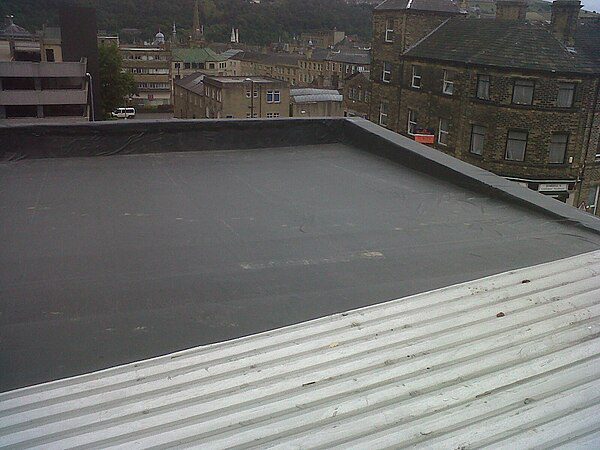
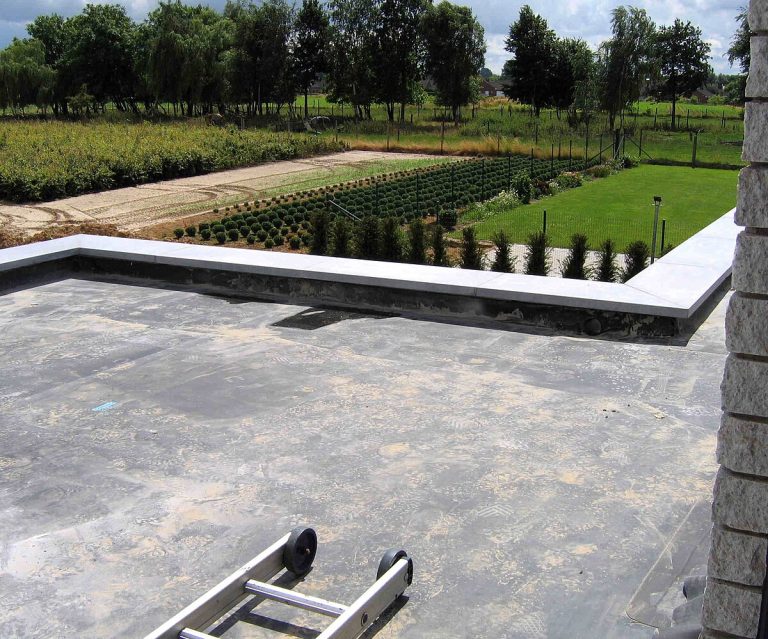
Flat roof prevalence: DC’s row house architecture means flat and low-slope roofs are extremely common. TPO and EPDM membranes are the standard, with lifespans of 20–30 years for TPO and 25–30 years for EPDM when professionally installed.
Permit requirements: DC’s Department of Consumer and Regulatory Affairs (DCRA) requires permits for most roofing work, and contractors must hold a DC-specific license.
Pennsylvania: Roof Lifespan Considerations
Pennsylvania’s climate varies dramatically from the relatively mild southeast (Philadelphia) to the snow-heavy northwest (Erie) and central mountain regions.
Southeast Pennsylvania (Philadelphia, Chester, Delaware counties): Similar to the Baltimore–DC corridor, this area experiences moderate winters and hot, humid summers. Asphalt shingle roofs typically last 20–25 years. The area’s older housing stock means many homeowners deal with aging roofing systems on homes with irregular roof geometries that complicate replacement.
Central Pennsylvania (Harrisburg, State College, Altoona): Mountain weather brings heavier snow loads and ice. Roofs in this region need to handle snow loads of 30–40 pounds per square foot. Metal roofing is particularly popular in rural areas for its durability and snow-shedding capability.
Western Pennsylvania (Pittsburgh, Erie): This area receives some of the highest snowfall in the Mid-Atlantic. Erie averages over 100 inches of snow annually. Roofing materials must handle extreme snow loads, frequent freeze-thaw cycles, and lake-effect weather. Asphalt shingle lifespans drop to 15–18 years; metal and slate are significantly more cost-effective long-term choices.
Pennsylvania’s Uniform Construction Code (UCC) sets minimum roofing standards, with local municipalities able to adopt additional requirements.
Roofing Material Lifespan Comparison for the Mid-Atlantic
The following comparison shows expected lifespan ranges for the most common roofing materials used in Maryland, Virginia, DC, and Pennsylvania. These estimates assume professional installation and regular maintenance.
Asphalt Shingles (3-Tab and Architectural)
- Expected lifespan: 15–25 years (3-tab) / 20–30 years (architectural)
- Cost per square foot: $3.50–$5.50 (3-tab) / $4.50–$7.50 (architectural)
- Mid-Atlantic performance: The most common residential roofing material. Performance varies significantly by exposure and maintenance. South-facing slopes degrade faster. Algae-resistant varieties are recommended for the humid Mid-Atlantic climate.
- Best for: Budget-conscious residential projects with standard maintenance capability.
Metal Roofing (Standing Seam and Corrugated)
- Expected lifespan: 40–70 years (standing seam) / 25–40 years (corrugated)
- Cost per square foot: $8–$14 (standing seam) / $5–$9 (corrugated)
- Mid-Atlantic performance: Excellent in all Mid-Atlantic conditions. Sheds snow effectively, resists high winds (up to 140 mph for standing seam), and reflects solar heat. Coastal installations require marine-grade coatings or aluminum/zinc panels.
- Best for: Homeowners seeking long-term value, snow-heavy areas, and energy efficiency.
TPO (Thermoplastic Polyolefin)
- Expected lifespan: 20–30 years
- Cost per square foot: $5.50–$8.50
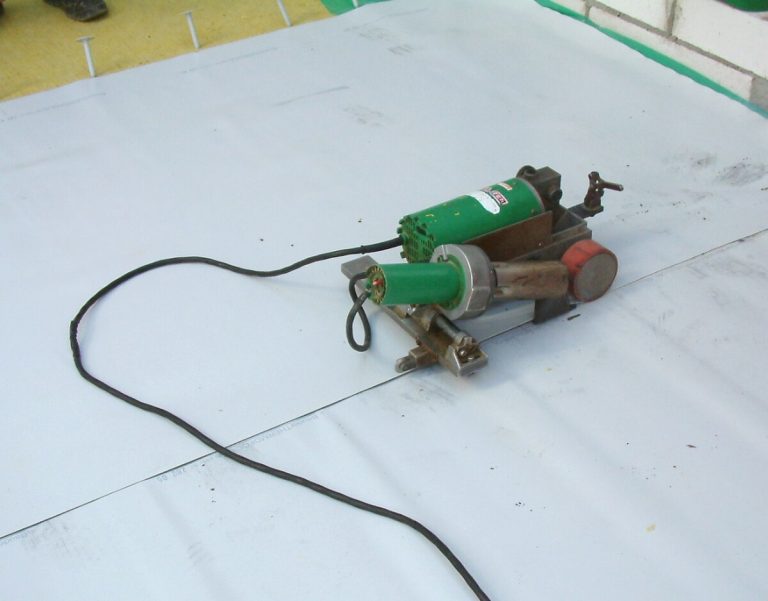
- Mid-Atlantic performance: The most popular commercial flat roofing membrane. White reflective surface reduces cooling costs. Heat-welded seams provide excellent waterproofing. Performs well in summer heat but can become brittle in extreme cold if lower-quality material is used.
- Best for: Commercial flat and low-slope roofs, particularly in urban areas.
EPDM (Ethylene Propylene Diene Monomer)
- Expected lifespan: 25–30 years
- Cost per square foot: $4.50–$7.50
- Mid-Atlantic performance: Proven commercial membrane with excellent flexibility in cold temperatures. Handles freeze-thaw cycling better than TPO. Black surface absorbs heat (beneficial in winter, costly in summer). Available in white for reflective applications.
- Best for: Commercial buildings in colder parts of the Mid-Atlantic, budget-conscious flat roof projects.
Slate
- Expected lifespan: 75–150+ years
- Cost per square foot: $15–$30
- Mid-Atlantic performance: The ultimate longevity choice. Pennsylvania produces some of the finest roofing slate in the world. Virtually immune to weather degradation. The limiting factor is usually the fasteners and flashing, not the slate itself. Requires a reinforced roof structure due to weight (800–1,500 lbs per square).
- Best for: Historic homes, high-end residential, property owners planning to stay 30+ years.
Factors That Extend or Shorten Your Roof’s Lifespan
Regardless of the material you choose, several factors will determine whether your roof reaches, exceeds, or falls short of its expected lifespan:
Installation quality: This is the single most important factor. A premium material installed incorrectly will fail before a budget material installed by a skilled crew. Always hire licensed, insured contractors with verifiable experience in your specific roofing material.
Ventilation: Proper attic ventilation prevents heat and moisture buildup that destroys roofing materials from the inside out. In the humid Mid-Atlantic, inadequate ventilation is one of the top causes of premature roof failure.
Maintenance: Annual inspections, prompt repair of minor damage, gutter cleaning, and tree trimming can add 5–10 years to any roof’s lifespan. Neglected roofs fail decades early.
Roof slope and orientation: Steeper slopes shed water and debris more effectively, extending lifespan. South- and west-facing slopes receive more UV exposure and degrade faster than north-facing ones.
Surrounding environment: Overhanging trees, accumulated debris, standing water, and nearby construction can all shorten roof life. Coastal properties face salt air corrosion. Urban properties deal with pollution and heat island effects.
When to Start Planning for Replacement
A smart approach is to begin planning for roof replacement when your roof reaches 75% of its expected lifespan. For an asphalt shingle roof in the Mid-Atlantic, that means starting to budget and research at the 15-year mark. For metal, around year 30. This gives you time to save, compare contractors, and schedule the work during optimal weather — typically late spring or early fall in this region.
Watch for warning signs: curling or missing shingles, granule loss in gutters, daylight visible through the roof deck, water stains on interior ceilings, and increasing energy bills. If you notice any of these, schedule a professional inspection immediately rather than waiting.
Related Reading
- best roofing materials for Mid-Atlantic weather
- signs you need a roof replacement
- roof replacement cost in Maryland
Get a Professional Assessment
Every roof tells a story, and the best way to understand yours is through a professional inspection from a licensed Mid-Atlantic roofing contractor. Whether your roof is approaching the end of its expected life or you’ve noticed signs of damage, getting an expert opinion helps you plan wisely and avoid costly emergency repairs.
Related Roofing Resources
- Roof replacement costs in Baltimore
- Roof replacement costs in Philadelphia
- Financing a roof replacement
- Whether homeowners insurance covers roof replacement
- The best time to replace a roof
- Architectural shingles vs. 3-tab shingles
Schedule your free roofing estimate today and get a clear picture of your roof’s current condition, remaining lifespan, and options for repair or replacement. Our network of licensed contractors serves homeowners and property managers throughout Maryland, Virginia, Washington DC, and Pennsylvania.