Property Manager’s Guide to Commercial Roof Maintenance in the Mid-Atlantic
For property managers overseeing commercial buildings in Maryland, Virginia, Washington DC, and Pennsylvania, roof maintenance is one of the highest-impact, lowest-cost investments you can make. A proactive maintenance program can extend your commercial roof’s life by 5–15 years, prevent costly emergency repairs, and protect tenant relationships. Yet many property managers treat roofing as a “fix it when it leaks” problem — an approach that doubles or triples lifetime roofing costs. This guide provides a practical, actionable framework for commercial roof maintenance in the Mid-Atlantic region.
Why Proactive Maintenance Pays Off
The numbers make a compelling case for proactive maintenance over reactive repairs:
Cost of prevention vs. replacement: A comprehensive maintenance program costs $0.10–$0.25 per square foot per year. That’s $1,000–$2,500 annually for a 10,000 sq ft roof. Compare that to a full replacement at $50,000–$100,000+. Even adding 5 years to a roof’s life through maintenance saves $25,000–$50,000 over the building’s lifecycle. For more details, see our guide on commercial flat roofing in Washington DC.
Emergency repair premiums: Emergency roof repairs in the Mid-Atlantic typically cost 2–3x more than planned repairs. An emergency call for a leak during a winter storm can cost $1,500–$3,000, while the same repair scheduled proactively might cost $400–$800. For more details, see our guide on best roofing materials for the Mid-Atlantic.
Warranty protection: Most commercial roof manufacturer warranties (especially NDL warranties) require documented regular maintenance. Failing to maintain your roof can void a warranty worth $50,000 or more.
Tenant satisfaction: Roof leaks damage tenant spaces, disrupt business operations, and destroy trust. In competitive Mid-Atlantic commercial real estate markets, tenant retention depends on responsive building maintenance.
The Mid-Atlantic Maintenance Calendar
The Mid-Atlantic’s four-season climate requires a seasonal approach to commercial roof maintenance:
Spring (March–May): Primary Inspection Season
Schedule your most thorough inspection of the year in spring. Winter weather — freeze-thaw cycles, ice, snow loads, and nor’easters — takes the biggest toll on Mid-Atlantic commercial roofs. Your spring inspection should include: membrane condition assessment (checking for splits, cracks, blisters, and punctures), seam integrity testing (especially on EPDM roofs where adhesive seams are vulnerable to winter stress), flashing inspection at all penetrations and perimeter edges, drain clearing and inspection (winter debris accumulation is heavy in the Mid-Atlantic), gutter and downspout cleaning, and documentation of any winter damage for insurance claims.
Summer (June–August): Storm Readiness and Monitoring
Mid-Atlantic summers bring severe thunderstorms, hail, and the start of hurricane season. Summer maintenance focuses on: post-storm inspections after any severe weather event, clearing debris from thunderstorm activity, checking for ponding water (summer heat accelerates ponding-related membrane deterioration), and ensuring all drains and scuppers are clear before heavy rain events.
Fall (September–November): Winter Preparation
Your second comprehensive inspection of the year prepares the roof for winter: clear all leaves and debris (critical in the tree-heavy Mid-Atlantic), ensure drains are completely clear before freezing temperatures arrive, inspect and repair any damage from summer storms, check sealants and caulking (which degrade in summer heat), and confirm all roof access hatches and equipment curbs are properly sealed.
Winter (December–February): Monitoring and Emergency Response
Winter maintenance is primarily about monitoring and prompt response: check drains after every significant rain or snow event to prevent ice dam formation, monitor interior ceilings for water stains that indicate active leaks, clear heavy snow accumulation if it exceeds the roof’s design load (particularly important in Pennsylvania and Northern Virginia where significant snowfall is common), and document any ice dam formation for spring repair planning.
The Bi-Annual Inspection Checklist
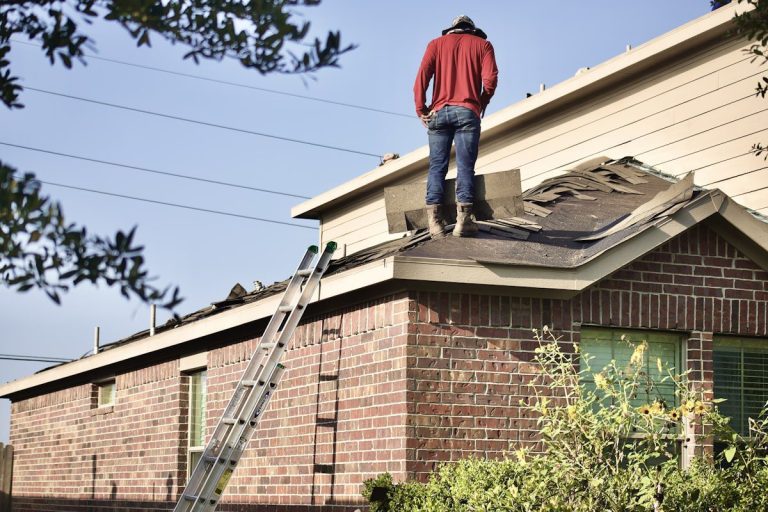
Every commercial roof in the Mid-Atlantic should receive two comprehensive inspections per year (spring and fall). Here’s what a thorough inspection covers:
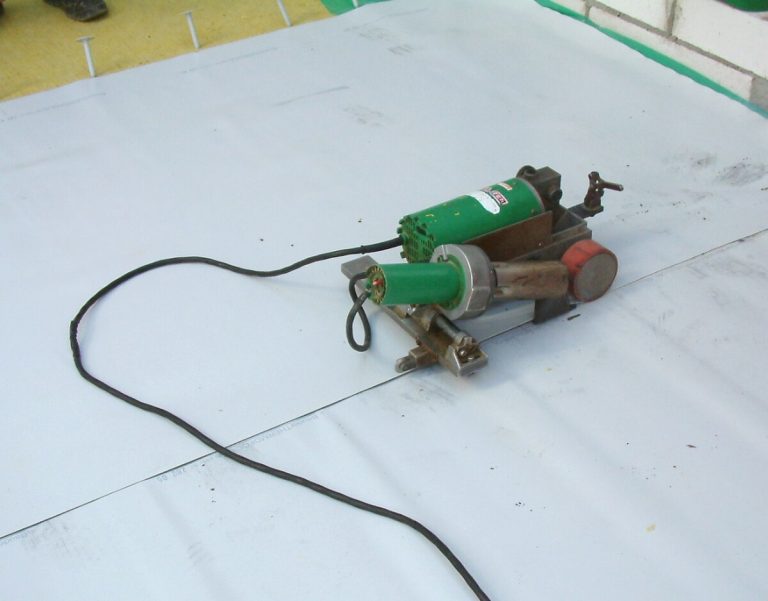
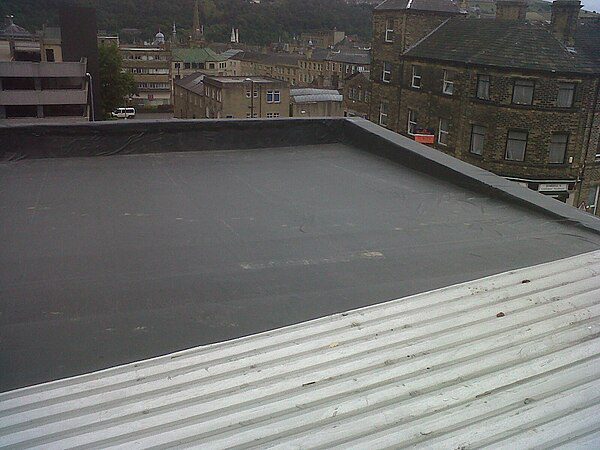
Membrane surface: Walk the entire roof surface looking for splits, cracks, blisters, punctures, ridging, and membrane shrinkage. On TPO and PVC roofs, check for weld integrity. On EPDM, check adhesive seam condition. On modified bitumen and BUR, check for alligator cracking and blister formation.
Flashings: Inspect every flashing detail — perimeter edge, wall terminations, pipe penetrations, HVAC curbs, skylights, and expansion joints. Flashings are the #1 failure point on commercial flat roofs.
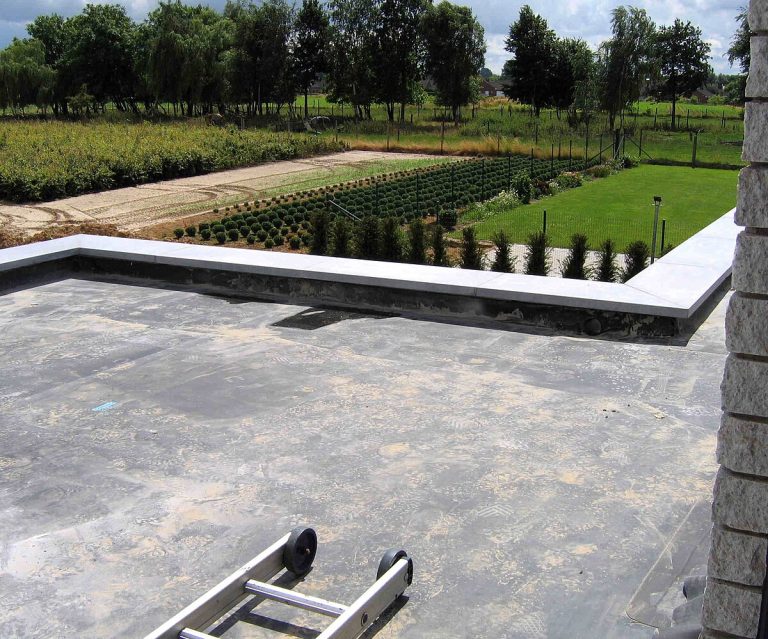
Drainage: Clear all drains, scuppers, and gutters. Check for ponding water — any area where water stands for more than 48 hours after rain needs attention. In the Mid-Atlantic, blocked drains are the leading cause of premature roof failure due to the region’s heavy rainfall.
Rooftop equipment: Inspect around all HVAC units, satellite dishes, antennas, and other rooftop equipment. Equipment vibration and HVAC service traffic are major sources of membrane damage.
Interior check: Inspect the top floor ceilings and any accessible roof deck areas for water stains, mold, or moisture — signs of active or recent leaks.
Common Mid-Atlantic Commercial Roof Problems
Property managers in the Mid-Atlantic should be particularly aware of these region-specific issues:
Ponding water from heavy rainfall: The Mid-Atlantic receives 40–50 inches of rain annually, with intense thunderstorms producing 2+ inches per hour. Poor drainage design or clogged drains lead to ponding, which accelerates membrane deterioration and adds structural stress. Fix: Regular drain clearing and, if necessary, tapered insulation to improve drainage.
Freeze-thaw membrane damage: Water that infiltrates small cracks or seam gaps freezes and expands in winter, widening the damage. This cycle repeats dozens of times each winter in the Mid-Atlantic. Fix: Seal all cracks and seam issues during fall inspection before freezing temperatures arrive.
Tree debris and biological growth: The Mid-Atlantic’s lush vegetation means leaves, branches, seeds, and organic debris constantly accumulate on commercial flat roofs. This debris traps moisture, clogs drains, and promotes algae and moss growth that degrades roofing membranes. Fix: Quarterly debris clearing and annual treatment if biological growth is present.
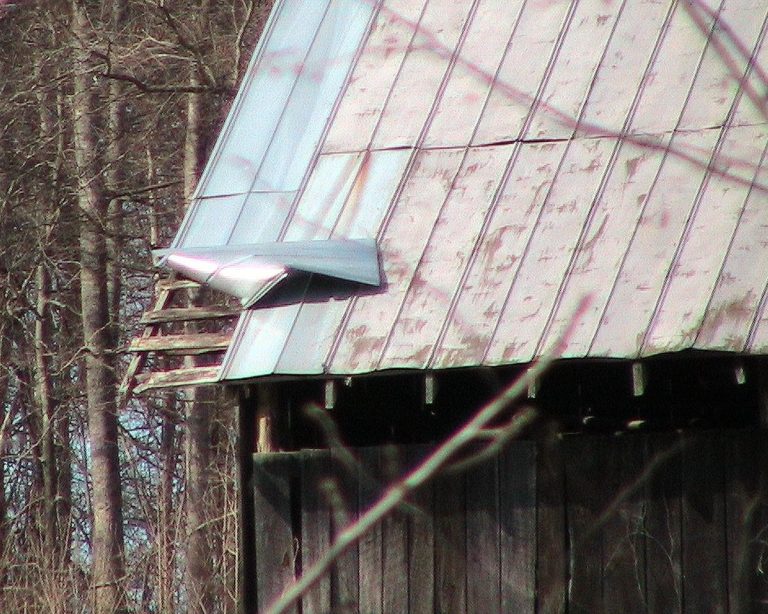
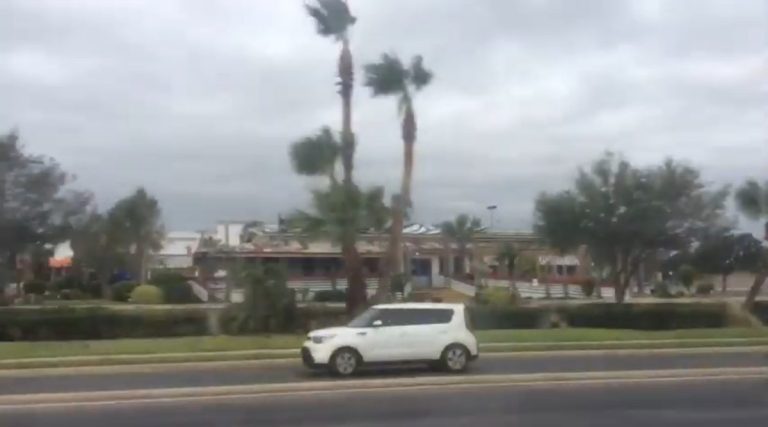
Wind damage from severe storms: Annual severe thunderstorms and occasional tropical systems cause wind damage to membrane edges, flashings, and fasteners. Fix: Post-storm inspections after any event with winds exceeding 50 mph.
HVAC-related damage: Heavy rooftop HVAC equipment and regular service visits create membrane wear paths and punctures. This is especially common in Mid-Atlantic commercial buildings where HVAC systems work hard year-round. Fix: Install walkway pads around all rooftop equipment and on common access routes.
Building a Maintenance Contract
A good commercial roof maintenance contract should include:
Two scheduled inspections per year: Spring and fall, with written reports including photos and recommendations. Cost: $400–$1,000 per inspection for a standard commercial roof in the Mid-Atlantic.
Emergency response: Priority response for leaks and storm damage, typically within 24–48 hours. Cost: usually billed separately at a pre-agreed rate.
Minor repairs included: Many contracts include minor repairs (seam resealing, small patch work, drain clearing) up to a predetermined annual cap — often $500–$1,500.
Documentation: Written inspection reports, photos, and repair logs. This documentation is essential for warranty compliance and insurance claims.
Annual budget: For a typical 10,000 sq ft commercial roof in the Mid-Atlantic, expect to budget $2,000–$4,000 annually for a comprehensive maintenance contract including two inspections and minor repairs.
Choosing a Maintenance Contractor
Not all roofing contractors offer quality maintenance programs. Look for:
• Proper licensing (MHIC in Maryland, DPOR in Virginia, BBL in DC, PA AG registration in Pennsylvania)
• Manufacturer certification for your specific roof system
• Commercial roofing experience (not just residential)
• Dedicated service/maintenance department
• Written maintenance proposals with clear scope and pricing
• References from other commercial property managers in the Mid-Atlantic
• Digital reporting with photos and condition tracking over time
Tracking Roof Condition Over Time
Smart property managers maintain a roof condition database for each building:
What to track: Installation date and warranty expiration, membrane type and manufacturer, all inspection reports and photos, all repairs performed with dates and costs, annual maintenance costs, and any insurance claims filed.
Why it matters: Tracking condition over time helps you predict replacement timing, budget for capital expenditures, demonstrate warranty compliance, and make informed repair-vs-replace decisions.
Budgeting tip: Most commercial property managers should budget $0.50–$1.00 per square foot per year in a roof reserve fund to cover both ongoing maintenance and eventual replacement. For a 10,000 sq ft roof, that’s $5,000–$10,000 per year in reserves.
Related Reading
Get a Free Roofing Estimate
Whether you need a maintenance contract, a roof condition assessment, or a replacement estimate for a Mid-Atlantic commercial property, getting expert advice from experienced commercial roofing contractors is the first step. Compare services, pricing, and qualifications with no obligation.