Commercial Flat Roofing in Maryland: TPO, EPDM & Built-Up Options
Maryland’s commercial property owners and managers have several flat roofing options to choose from, each with distinct advantages depending on building type, budget, and performance requirements. Whether you own a warehouse in the Baltimore industrial corridor, an office building in Bethesda, or a retail center in Columbia, understanding the differences between TPO, EPDM, and built-up roofing (BUR) systems is essential for making the right investment. This guide breaks down everything Maryland property owners need to know about commercial flat roofing in 2026. For more details, see our guide on commercial flat roofing in Virginia.
Overview of Commercial Flat Roofing Systems
The three most common flat roofing systems for commercial buildings in Maryland are TPO (Thermoplastic Polyolefin), EPDM (Ethylene Propylene Diene Monomer), and built-up roofing (BUR). Each has been used successfully on Maryland commercial buildings for decades, but they differ significantly in cost, durability, energy efficiency, and maintenance needs. For more details, see our guide on commercial flat roofing in Washington DC.
TPO Roofing: The Modern Standard
TPO has become the most popular commercial flat roofing material in Maryland over the past 15 years, and for good reason:
Cost: $5.50–$9.00 per square foot installed, depending on membrane thickness and insulation requirements. For a 10,000 sq ft commercial roof in Maryland, expect to pay $55,000–$90,000 for a full TPO installation. For more details, see our guide on commercial flat roofing in Pennsylvania.
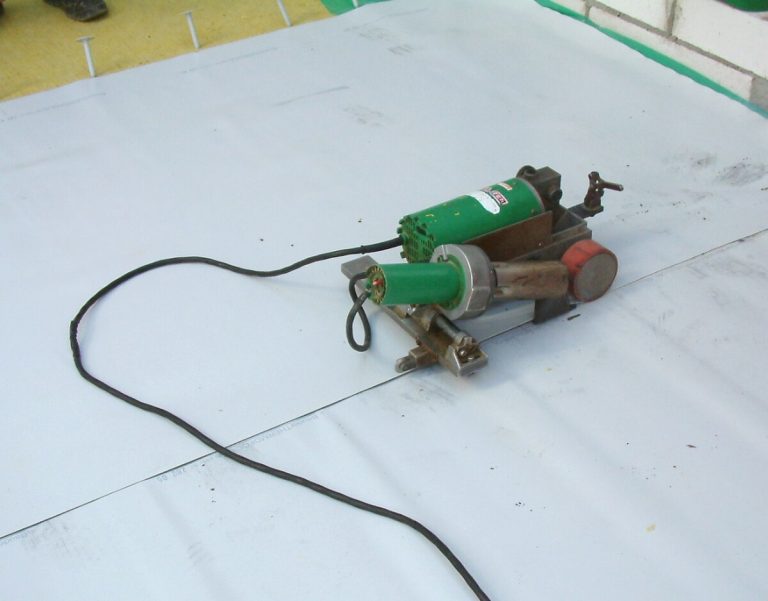
How it works: TPO is a single-ply membrane that comes in large rolls (typically 10 or 12 feet wide). Seams are heat-welded together, creating a watertight bond that’s actually stronger than the membrane itself. It can be mechanically attached, fully adhered, or ballasted.
Pros for Maryland: TPO’s white reflective surface helps reduce cooling costs during Maryland’s hot, humid summers — a significant advantage for buildings without heavy insulation. It meets ENERGY STAR requirements and can contribute to LEED certification. TPO also resists UV degradation, punctures, and chemical exposure.
Cons: TPO has a shorter track record than EPDM (only widely used since the early 2000s). Cheaper TPO products (45 mil and under) have shown premature failure in some installations. Always specify 60 mil or 80 mil TPO for Maryland commercial projects.
Lifespan: 20–30 years with proper installation and maintenance.
EPDM Roofing: The Proven Workhorse
EPDM rubber roofing has been a commercial roofing staple for over 50 years and remains an excellent choice for many Maryland buildings:
Cost: $4.50–$8.00 per square foot installed. For a 10,000 sq ft roof, budget $45,000–$80,000. EPDM is generally 10–20% less expensive than TPO.
How it works: EPDM is a synthetic rubber membrane available in black or white. Seams are joined with adhesive or tape (not heat-welded like TPO). It can be fully adhered, mechanically attached, or ballasted with river rock or pavers.
Pros for Maryland: EPDM has the longest track record of any single-ply membrane — many installations in the Baltimore-Washington corridor have lasted 30+ years. It handles Maryland’s freeze-thaw cycles extremely well due to its flexibility. EPDM is also easy to repair and relatively forgiving of minor installation imperfections.
Cons: Black EPDM absorbs heat, increasing cooling costs in summer. White EPDM is available but more expensive and can show dirt. Adhesive seams are the most common failure point and require periodic inspection and maintenance.
Lifespan: 25–35 years. Some well-maintained EPDM roofs in Maryland have lasted 40+ years.
Built-Up Roofing (BUR): The Traditional Option
Built-up roofing is the oldest flat roofing technology still in use, and it remains viable for certain Maryland commercial applications:
Cost: $6.00–$10.00 per square foot installed. A 10,000 sq ft BUR installation typically costs $60,000–$100,000. The multi-layer construction makes BUR one of the more expensive options.
How it works: BUR consists of multiple layers of bitumen (asphalt or coal tar) alternated with reinforcing fabrics (fiberglass or polyester). The top surface is finished with a gravel cap, mineral cap sheet, or reflective coating. Typically 3–5 layers (“plies”) create a thick, durable membrane.
Pros for Maryland: BUR is extremely durable and can handle heavy foot traffic — ideal for Maryland buildings with rooftop HVAC equipment that requires regular service access. The gravel surface provides excellent protection against UV, hail, and wind-driven debris. BUR also has proven performance in Maryland’s climate going back over a century.
Cons: Installation involves hot asphalt or torches, creating odor and fire risk. It’s heavier than single-ply systems, which may require structural evaluation on older Maryland buildings. Leak detection is difficult because water can travel between layers before appearing inside.
Lifespan: 20–30 years for standard installations. Premium coal tar BUR systems can last 40+ years.
Head-to-Head Cost Comparison (10,000 sq ft Maryland Commercial Roof)
Here’s how the three systems compare for a typical Maryland commercial installation:
TPO (60 mil, fully adhered): $55,000–$90,000 installed | 20–30 year lifespan | Low maintenance | Best for: energy savings, new construction
EPDM (60 mil, fully adhered): $45,000–$80,000 installed | 25–35 year lifespan | Easy repairs | Best for: budget-conscious projects, proven reliability
BUR (4-ply, gravel cap): $60,000–$100,000 installed | 20–30 year lifespan | Moderate maintenance | Best for: heavy foot traffic, maximum durability
Maryland-Specific Considerations
Several Maryland-specific factors should influence your commercial roofing decision:
Energy codes: Maryland’s commercial building energy code (based on IECC 2018) requires minimum R-values for roof insulation. In climate zone 4A (most of Maryland), commercial roofs need a minimum of R-30 continuous insulation. This affects both material choice and total project cost.
Cool roof incentives: Maryland’s EmPOWER Maryland program and local utility companies (BGE, Pepco, SMECO) may offer incentives for energy-efficient roofing. White TPO and coated EPDM can qualify for cool roof designations.
Wind uplift requirements: Maryland’s coastal areas (Eastern Shore, Chesapeake Bay waterfront) have higher wind speed design requirements. Your roofing system must be rated for the specific wind zone of your property, which affects attachment methods and costs.
Stormwater management: Many Maryland jurisdictions require commercial properties to manage stormwater runoff. Green roof systems and blue roof detention systems can be integrated with TPO, EPDM, and BUR installations. Montgomery County and Baltimore City have particularly strict stormwater regulations.
Permits: Commercial roof replacement in Maryland requires permits from the local building department. Costs range from $100–$500+ depending on the jurisdiction and project scope. Baltimore City and Montgomery County tend to have the most involved permitting processes.
Choosing the Right System for Your Building
The best commercial flat roofing system for your Maryland building depends on several factors:
Choose TPO if: Energy efficiency is a priority, your building has high cooling loads, you want a modern system with strong manufacturer warranties, or you’re pursuing LEED certification.
Choose EPDM if: Budget is the primary concern, you want the longest proven track record, your building has minimal foot traffic, or you prefer easy, low-cost repairs.
Choose BUR if: Your roof sees heavy foot traffic from HVAC maintenance, maximum puncture resistance is needed, you want redundancy from multiple waterproofing layers, or you’re replacing an existing BUR system.
Finding a Commercial Roofing Contractor in Maryland
Commercial roofing requires specialized expertise beyond residential work. When selecting a Maryland commercial roofer:
• Verify their MHIC license at dllr.state.md.us/license/mhic
• Confirm manufacturer certifications (GAF Master Select, Carlisle Authorized Applicator, Firestone Master Contractor, etc.)
• Request references from recent commercial projects in Maryland
• Ensure they carry adequate commercial general liability ($1M+ recommended) and workers’ compensation
• Ask about manufacturer warranties — a certified installer can offer NDL (No Dollar Limit) warranties of 20–30 years
Related Reading
Get a Free Roofing Estimate
Whether you’re considering TPO, EPDM, or built-up roofing for your Maryland commercial property, getting detailed estimates from experienced commercial contractors is the essential first step. Compare systems, warranties, and pricing with no obligation.