Flat Roof Replacement for Commercial Buildings in Virginia
Virginia’s commercial property owners managing flat-roofed buildings — from office parks in Tysons Corner and retail centers in Richmond to warehouses in Hampton Roads — eventually face the question of flat roof replacement. With multiple roofing systems available and costs ranging from $45,000 to well over $100,000, understanding your options is critical. This guide covers flat roof replacement costs, system comparisons, Virginia-specific code requirements, and how to choose the right contractor for your commercial project. For more details, see our guide on commercial flat roofing in Maryland.
Average Flat Roof Replacement Cost for Virginia Commercial Buildings
The cost to replace a commercial flat roof in Virginia depends on the roofing system, building size, insulation requirements, and project complexity. Here are typical ranges for 2026:
Small commercial building (2,500–5,000 sq ft): $15,000–$50,000
Mid-size commercial building (5,000–15,000 sq ft): $35,000–$135,000
Large commercial building (15,000–50,000 sq ft): $90,000–$400,000+
On a per-square-foot basis, Virginia commercial flat roof replacement typically costs $5.00–$12.00 per square foot fully installed, including materials, labor, insulation, and accessories. For more details, see our guide on commercial flat roofing in Washington DC.
Commercial Flat Roofing Systems: Costs and Performance
Virginia commercial buildings primarily use four flat roofing systems. Here’s how they compare:
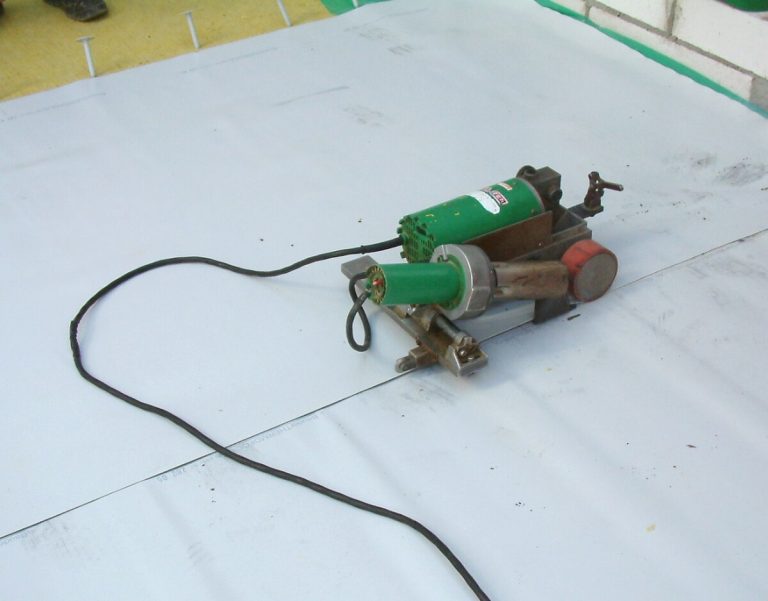
TPO (Thermoplastic Polyolefin): $5.50–$9.00/sq ft installed. The most popular choice for Virginia commercial projects due to its energy efficiency, heat-welded seams, and white reflective surface that reduces cooling costs. Lifespan: 20–30 years. Best for: office buildings, retail, new construction. For more details, see our guide on commercial flat roofing in Pennsylvania.
EPDM (Rubber Roofing): $4.50–$8.00/sq ft installed. A proven, cost-effective option with excellent flexibility in Virginia’s temperature swings. Available in black or white. Lifespan: 25–35 years. Best for: budget-conscious projects, warehouses, buildings with minimal rooftop traffic. For more details, see our guide on commercial roof maintenance for property managers.
PVC (Polyvinyl Chloride): $6.50–$11.00/sq ft installed. Similar to TPO but with superior chemical resistance, making it ideal for restaurants, commercial kitchens, and buildings with grease-producing exhaust. Lifespan: 20–30 years. Best for: food service, chemical exposure environments.
Modified Bitumen: $5.00–$8.50/sq ft installed. A multi-layer system that combines the reliability of built-up roofing with modern polymer technology. Torch-applied or self-adhered options available. Lifespan: 15–25 years. Best for: heavy foot traffic areas, buildings with extensive rooftop equipment.
Cost Factors Specific to Virginia Commercial Projects
Several Virginia-specific factors influence your total replacement cost:
Insulation requirements: Virginia’s commercial energy code (based on IECC 2018/2021 depending on jurisdiction) requires significant roof insulation. Most of Virginia falls in climate zone 4A, requiring R-30 continuous insulation for commercial roofs. Northern Virginia jurisdictions adopting newer code cycles may require R-35+. Insulation alone can add $2.00–$4.00 per square foot to the project.
Tear-off vs. recover: If the existing roof has one layer and the deck is in good condition, a recover (installing new membrane over the existing) can save 20–30% versus a full tear-off. However, Virginia code limits most buildings to two roofing layers, and building inspectors in jurisdictions like Fairfax County and Virginia Beach are strict about enforcement.
Wind uplift zones: Virginia’s coastal regions (Virginia Beach, Norfolk, Newport News, Hampton, Eastern Shore) are in higher wind speed design zones. Roofing systems in these areas require enhanced attachment — more fasteners, stronger adhesives, or additional perimeter securement — adding 10–20% to installation costs.
Roof access and logistics: Buildings in dense commercial areas like Tysons, Rosslyn, or downtown Richmond may face access constraints that increase crane and material staging costs by $3,000–$10,000.
Hazardous material abatement: Older Virginia commercial buildings (pre-1980) may have asbestos-containing roofing materials. Abatement is required by Virginia DEQ regulations and adds $3.00–$8.00 per square foot to the project. Your contractor should test for asbestos before providing a final estimate.
Virginia Permit and Code Requirements
Commercial roof replacement in Virginia requires permits and must comply with the Virginia Uniform Statewide Building Code (USBC):
Permits: Required in all Virginia jurisdictions for commercial roof replacement. Costs range from $150–$1,000+ depending on the jurisdiction and project value. Your contractor should handle the permit application.
Inspections: Virginia requires inspections during and after installation. Expect at least one interim inspection (insulation and substrate) and a final inspection.
Energy code compliance: Any commercial roof replacement that includes insulation changes must meet current Virginia energy code requirements. This is a significant consideration for older buildings with inadequate insulation.
Fire ratings: Virginia follows the IBC (International Building Code) for commercial fire ratings. Your roofing assembly must meet the required fire classification (typically Class A) based on building type and occupancy. UL-listed assemblies are required.
Replacement Timeline and Business Disruption
Planning for minimal business disruption is a priority for Virginia commercial property owners:
Small buildings (under 5,000 sq ft): 3–7 days for tear-off and installation
Mid-size buildings (5,000–15,000 sq ft): 1–3 weeks
Large buildings (15,000+ sq ft): 3–8 weeks, often done in phases
Phased installation: For occupied buildings, your contractor can replace the roof in sections so business operations continue with minimal interruption. This adds 10–15% to the project cost but is standard practice for Virginia retail, office, and medical buildings.
Best timing: Virginia’s optimal window for commercial flat roof installation is April through November. Winter installations are possible but may require special adhesives and additional weather contingency days.
Warranties for Virginia Commercial Roofs
Commercial roof warranties are more complex than residential warranties. Understanding the options protects your investment:
Manufacturer material warranty: Covers defects in the membrane itself. Typically 10–20 years standard.
NDL (No Dollar Limit) warranty: The gold standard for commercial roofing. Covers both materials and labor for repairs at no cost to the building owner. Available from major manufacturers (Carlisle, Firestone, GAF, Johns Manville) through their certified contractor programs. NDL warranties range from 15 to 30 years.
Contractor workmanship warranty: Covers installation defects not addressed by the manufacturer warranty. Typically 2–10 years depending on the contractor.
Key requirement: Most NDL warranties require the installation be performed by a manufacturer-certified contractor and that the manufacturer inspects the completed installation. Insist on this for any Virginia commercial project.
Choosing a Virginia Commercial Roofing Contractor
Commercial roofing is specialized work that requires different expertise than residential projects. Verify the following before hiring a Virginia commercial roofer:
• Valid Virginia DPOR contractor’s license (Class A for projects over $120,000) — verify at dpor.virginia.gov
• Manufacturer certifications for the specific system you’re installing
• Commercial general liability insurance ($1M–$2M recommended) and workers’ compensation
• Portfolio of completed Virginia commercial projects with references
• Experience with your specific building type and roofing system
• Safety program and OSHA compliance record
Related Reading
Get a Free Roofing Estimate
Whether you’re managing a single commercial property or a portfolio of Virginia buildings, getting detailed estimates from experienced commercial roofing contractors is the first step toward protecting your investment. Compare systems, warranties, and pricing with no obligation.