Flat Roof Maintenance Guide for Commercial Property Owners in MD, VA, DC, and PA
Why Flat Roof Maintenance Is Critical for Mid-Atlantic Commercial Properties
Flat and low-slope roofs cover the vast majority of commercial buildings in Maryland, Virginia, Washington DC, and Pennsylvania — from downtown office buildings and retail centers to warehouses, churches, and multi-family residential complexes. These roofs are engineered to perform for decades, but only if they receive consistent, knowledgeable maintenance.
The Mid-Atlantic climate is particularly demanding on flat roofs. Standing water from heavy rain, ice formation from freeze-thaw cycling, UV degradation from summer sun, and debris accumulation from fall storms all attack flat roof systems in ways that sloped roofs naturally resist through gravity and drainage.
This guide provides a complete maintenance program for commercial flat roof owners, including a seasonal maintenance schedule, the most common failure points to monitor, and clear guidance on which tasks you can handle in-house and which require a professional contractor.
Understanding Your Flat Roof System
Before you can maintain your roof effectively, you need to understand what’s up there. The three most common flat roof systems on Mid-Atlantic commercial buildings are:
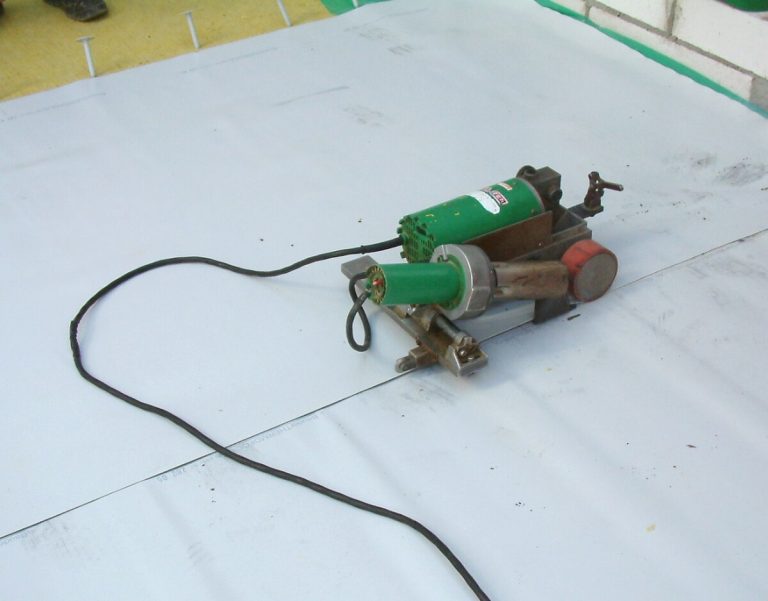
- TPO (Thermoplastic Polyolefin): White single-ply membrane with heat-welded seams. The most common system installed since 2010. Reflective, energy-efficient, and durable.
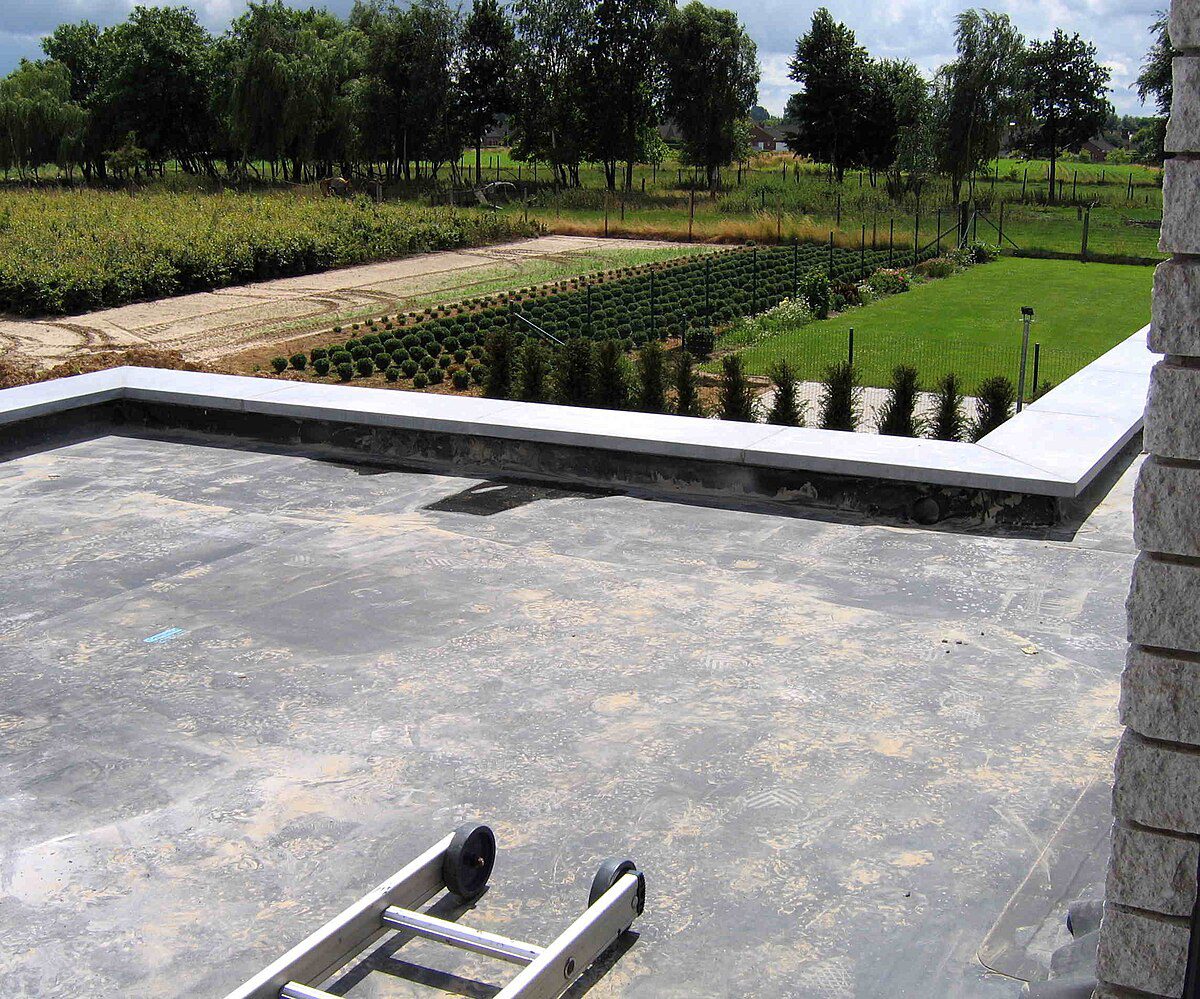
- EPDM (Ethylene Propylene Diene Monomer): Black (or white) rubber membrane with adhesive or tape seams. The industry workhorse since the 1970s. Excellent cold-weather flexibility.
- Built-Up Roofing (BUR) / Modified Bitumen: Multi-layer systems using asphalt and felt or modified bitumen sheets. Common on older buildings. Extremely durable but heavier and harder to repair than single-ply systems.
Your maintenance approach should be tailored to your specific system. If you’re unsure what type of roof you have, a quick visual inspection can usually tell: white and smooth is likely TPO, black and rubbery is likely EPDM, and graveled or granulated surface is likely BUR or modified bitumen.
Seasonal Maintenance Schedule for the Mid-Atlantic
Spring Maintenance (March–April)
Spring is the most important maintenance window. Winter takes its toll on flat roofs, and addressing damage early prevents water infiltration during spring rains.
Priority tasks:
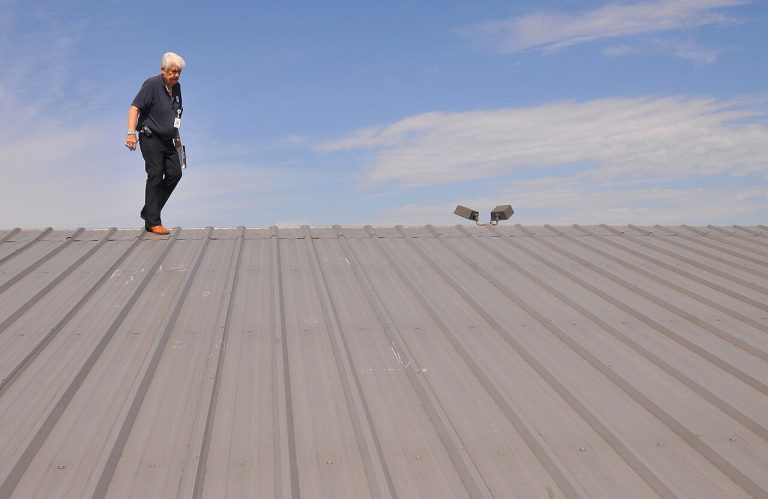
- Full roof inspection: Walk the entire roof surface, looking for membrane damage, seam separation, ponding water areas, and debris accumulation. Document everything with photographs.
- Clear all drains and scuppers: Winter debris blocks drainage pathways. Remove leaves, sediment, ice residue, and any objects that accumulated over winter. Test each drain by pouring water and confirming flow.
- Inspect all flashing: Check perimeter flashing, wall flashing, equipment curbs, and penetration boots. Freeze-thaw cycling is the primary cause of flashing failure in the Mid-Atlantic.
- Check seams: On EPDM roofs, adhesive seams are the most vulnerable component after a winter of thermal movement. Press along seam edges looking for lifting or gaps. On TPO roofs, check heat-welded seams for any signs of stress.
- Interior check: Inspect the building interior for new water stains, mold, or moisture that appeared over winter. Trace any evidence of leaks back to their likely roof source.
- Schedule repairs: Everything found during the spring inspection should be repaired before summer thunderstorm season begins in late May.
Summer Maintenance (June–July)
Summer maintenance focuses on heat-related issues and storm preparedness.
Priority tasks:
- Blister inspection: Heat causes trapped moisture in the roof assembly to expand, creating blisters in the membrane. Walk the roof during a cool morning and note any new blisters. Small, firm blisters can be monitored; soft, large, or growing blisters need professional repair.
- HVAC unit check: Summer is peak HVAC season. Inspect the membrane and flashing around all rooftop units. Vibration from running equipment can loosen curb flashing, and condensate lines can create persistent wet spots that degrade the membrane.
- Drain maintenance: Summer thunderstorms dump massive amounts of water in short periods. Ensure all primary and overflow drains are completely clear. A single blocked drain can create thousands of pounds of ponding water.
- Vegetation removal: Summer heat and rain promote vegetation growth in seams, at flashing terminations, and in debris pockets. Remove all vegetation promptly — roots can penetrate membrane seams.
- Post-storm inspections: After any significant wind or hail event, do a quick visual inspection. Mid-Atlantic summer storms can produce damaging winds and hail that puncture or displace membrane material.
Fall Maintenance (September–October)
Fall maintenance prepares the roof for winter — the most damaging season for Mid-Atlantic flat roofs.
Priority tasks:
- Thorough drain and gutter clearing: Fall leaves are the biggest enemy of flat roof drainage. Clear all drains, scuppers, gutters, and downspouts. Install or check leaf guards on drain domes if available.
- Complete all pending repairs: Any damage identified during the year must be repaired before winter. Most adhesive-based repairs require temperatures above 40°F — once cold weather arrives, repair options become limited and more expensive.
- Trim overhanging trees: Branches that overhang the roof will drop leaves into drainage paths and can break under ice or wind load, damaging the roof surface.
- Inspect expansion joints: Before the extreme thermal cycling of winter begins, check all expansion joint covers for proper alignment and seal integrity.
- Document baseline conditions: Take photographs of the roof in good condition before winter. These serve as a comparison for spring inspection and as documentation for potential insurance claims.
Winter Maintenance (December–February)
Winter maintenance on flat roofs is primarily monitoring and emergency response — conditions are too harsh for most routine maintenance.
Priority tasks:
- Snow load monitoring: Know your building’s structural snow load capacity (typically documented in the building’s structural engineering records). For most Mid-Atlantic commercial buildings, concern begins at 20–30 lbs per square foot. Fresh snow weighs 3–5 lbs/sf per foot of depth; packed or wet snow weighs 10–20 lbs/sf per foot. Remove snow if loads approach 50% of the rated capacity.
- Ice dam monitoring: Check for ice buildup at drains, scuppers, and low points. Ice blocks drainage and can cause water to back up under the membrane.
- Interior leak checks: Increase the frequency of interior inspections during freeze-thaw periods (typically every 1–2 weeks). Leaks often appear when ice melts and water finds paths through compromised seams or flashing.
- Emergency response: Keep a relationship with a roofing contractor who provides winter emergency service. In the Mid-Atlantic, ice dams and heavy snow loads occasionally require emergency professional intervention.
Common Failure Points: Where to Focus Your Attention
Flat roofs don’t fail randomly — they fail at predictable points. Focus your inspections on these high-risk areas:
1. Drains and Drainage Paths
The number one cause of flat roof problems is poor drainage. Standing water (ponding) accelerates membrane deterioration, adds weight stress to the structure, and eventually finds or creates a path into the building. Check drains at every inspection, and address ponding water that persists more than 48 hours after rain.
2. Seams and Laps
Every flat roof membrane has seams where sheets overlap and are joined. These are inherently the weakest points. EPDM adhesive seams are particularly vulnerable to failure after 10–15 years. TPO heat-welded seams are more durable but can still fail if the original weld was incomplete.
3. Flashing at Penetrations
Everywhere something pokes through the roof — pipes, vents, electrical conduits, supports — there’s a flashing detail that can fail. These points move independently from the membrane due to thermal expansion, creating stress on sealants and flashings. Pipe boots are especially vulnerable to UV degradation.
4. Equipment Curbs
HVAC units, exhaust fans, and other rooftop equipment sit on curbs that penetrate the membrane. The vibration from running equipment, foot traffic for maintenance access, and the complexity of the flashing detail make equipment curbs one of the most common leak sources.
5. Perimeter and Wall Transitions
Where the roof meets walls, parapets, and building edges requires careful flashing and termination details. Wind uplift is strongest at edges and corners, making these areas the first to fail in windstorms. Check termination bars, counter-flashing, and coping cap connections.
6. Areas of Ponding Water
Any area where water routinely ponds (stands for more than 48 hours) is a maintenance concern. While most modern membranes can handle ponding, the constant wet/dry cycling degrades sealants, attracts biological growth, and adds unnecessary stress. Ponding areas should be monitored and, if possible, addressed through drain relocation or tapered insulation to create positive drainage.
DIY vs. Contractor: Know Your Limits
Property managers can handle many routine maintenance tasks in-house, but some work should always be performed by licensed roofing professionals.
Tasks You Can Handle In-House
- Drain clearing: Removing debris from drain bowls, scuppers, and gutters
- Visual inspections: Walking the roof and documenting conditions with photos
- Vegetation removal: Pulling weeds and clearing biological growth from the surface
- Debris removal: Clearing leaves, branches, and accumulated dirt
- Interior monitoring: Checking for stains, moisture, and evidence of leaks
- Snow monitoring: Measuring snow depth and calculating approximate load
- Minor sealant touch-ups: Reapplying compatible sealant to small gaps (after training from your roofing contractor)
Tasks That Require a Professional
- Membrane repairs: Patching punctures, repairing tears, or re-welding seams
- Flashing repairs or replacement: Incorrect flashing work causes more damage than it fixes
- Seam re-adhesion: EPDM seam repair requires specific primers and adhesives applied in the correct sequence
- Blister repair: Cutting, drying, and patching blisters without damaging surrounding membrane
- Drainage modifications: Adding drains, adjusting slope, or installing tapered insulation
- Snow removal: Professional crews use plastic shovels and techniques that won’t damage the membrane. Metal shovels and ice picks used by untrained workers are the leading cause of winter membrane damage.
- Infrared moisture surveys: Identifying trapped moisture in the roof assembly requires specialized equipment and interpretation expertise
Building a Maintenance Budget
Proactive maintenance is dramatically less expensive than reactive repairs. Here’s what to budget for annual flat roof maintenance:
- Routine maintenance (in-house): 2–4 hours per inspection × 4 inspections per year. For a 10,000 sq ft roof, that’s approximately $500–$1,000 in labor annually.
- Professional inspections: $300–$800 per inspection, recommended twice annually (spring and fall). Annual cost: $600–$1,600.
- Preventive repairs: Budget $0.05–$0.15 per square foot annually for minor repairs identified during inspections. For a 10,000 sq ft roof: $500–$1,500.
- Total annual maintenance budget: $0.15–$0.40 per square foot, or $1,500–$4,000 for a 10,000 sq ft roof.
Compare this to the cost of a premature roof replacement ($55,000–$85,000 for a 10,000 sq ft roof) and the calculus is clear: spending $2,000–$4,000 per year on maintenance to extend a roof’s life by 5–10 years saves $30,000–$60,000 over the building’s life.
Maintenance Documentation and Record-Keeping
Good documentation protects you in multiple ways: warranty claims, insurance claims, property sales, and maintenance planning. Maintain these records:
- Inspection reports: Dated reports with photographs, findings, and recommended actions for every inspection
- Repair records: Invoices, before/after photos, and contractor information for all repairs
- Warranty documents: Manufacturer warranty, contractor workmanship warranty, and registration confirmation
- Original installation records: Specifications, as-built drawings, and any core sample or test results from installation
- Snow load and weather event logs: Dates and details of significant weather events and any related observations
Related Reading
- property manager’s commercial roof maintenance guide
- TPO, EPDM, and built-up roofing in Maryland
- DC commercial flat roofing contractors
Get Professional Maintenance Support
A flat roof maintenance program is most effective when it combines your regular in-house monitoring with professional inspections and repairs from a contractor who knows your specific roof system and building.
Related Roofing Resources
- Best roofing materials for Mid-Atlantic weather
- How long roofs last in the Mid-Atlantic
- Signs you need a roof replacement
- Deciding between roof repair and replacement
- Financing a roof replacement
- Whether homeowners insurance covers roof replacement
Schedule a free commercial roof inspection today and establish a maintenance relationship with a licensed commercial roofing contractor in your area. Our network serves property owners and managers throughout Maryland, Virginia, Washington DC, and Pennsylvania with inspection, maintenance, and repair programs designed for Mid-Atlantic conditions.