Best Roofing Materials for Mid-Atlantic Weather: A Cost Comparison
The Mid-Atlantic region — Maryland, Virginia, Washington DC, and Pennsylvania — throws everything at your roof: scorching summer heat, heavy rain, hail, high winds, ice storms, and significant snowfall. Choosing the right roofing material for this demanding climate is one of the most important decisions a homeowner can make. This guide compares the most popular roofing materials for Mid-Atlantic weather, with real cost data and performance ratings to help you make a smart investment.
What Mid-Atlantic Weather Demands From Your Roof
Before comparing materials, it’s important to understand the specific weather challenges your roof faces in the Mid-Atlantic:
Temperature extremes: The Mid-Atlantic sees summer temperatures above 95°F and winter lows below 10°F, with rapid temperature swings that cause roofing materials to expand and contract repeatedly. For more details, see our guide on roof replacement cost in Washington DC.
Heavy rainfall: The region receives 40–50 inches of rain annually, with intense thunderstorms from May through September that can dump 2+ inches in an hour.
Wind: Severe thunderstorms regularly produce 60–80 mph winds. Coastal areas of Virginia and Maryland face tropical storm and hurricane-force winds. Pennsylvania’s valleys channel wind, creating localized high-wind events.
Hail: Central Pennsylvania, the Shenandoah Valley, and the I-95 corridor all experience regular hail events that damage roofing materials.
Snow and ice: Northern Virginia, DC, and especially Pennsylvania see significant snowfall. Ice dams are a major concern, particularly on homes with inadequate attic ventilation. Learn the signs you need a roof replacement caused by ice damage.
Humidity: The Mid-Atlantic’s humid summers create conditions that promote algae and moss growth on roofing materials — a cosmetic and functional concern.
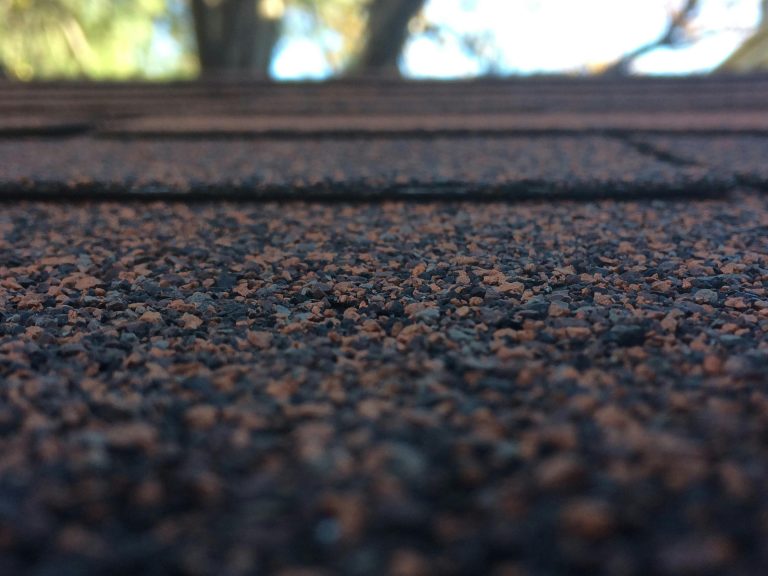
Architectural Asphalt Shingles
The most popular roofing material in the Mid-Atlantic region, and for good reason:
Cost: $5.00–$7.50 per sq ft installed. Full replacement for a typical home: $8,500–$15,000.
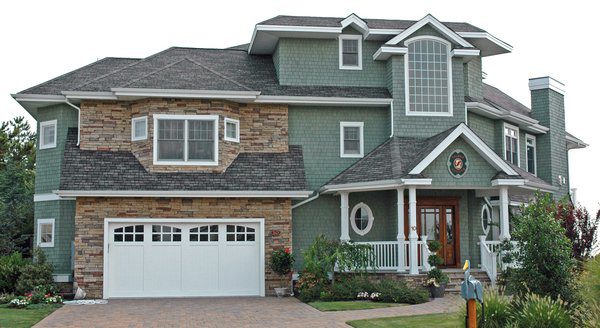
Mid-Atlantic performance: Architectural shingles handle the region’s weather well. Premium lines (GAF Timberline HDZ, Owens Corning Duration, CertainTeed Landmark Pro) are rated for 130 mph winds and carry Class 4 impact resistance ratings (the highest). They also include algae-resistant granules — essential for Mid-Atlantic humidity.
Lifespan: 25–35 years in the Mid-Atlantic. Heat and UV exposure in summer can accelerate aging compared to northern climates.
Best for: Budget-conscious homeowners who want reliable performance. The best all-around value for most Mid-Atlantic homes.
Considerations: Can be damaged by large hail. Performance varies dramatically between budget and premium product lines — don’t skimp on shingle quality in this climate. Algae-resistant granules are a must.
Standing Seam Metal Roofing
The fastest-growing roofing material in the Mid-Atlantic:
Cost: $10.00–$16.00 per sq ft installed. Full replacement: $17,000–$32,000.
Mid-Atlantic performance: Exceptional. Standing seam metal excels in virtually every Mid-Atlantic weather challenge. Snow and ice slide off rather than accumulating (eliminating ice dam concerns). Wind resistance ratings of 140+ mph protect against severe storms. Metal doesn’t absorb moisture, preventing the rot and algae issues common with other materials in humid climates.
Lifespan: 40–70 years. Many metal roofs installed in the Mid-Atlantic in the 1980s and 1990s are still performing perfectly.
Best for: Homeowners planning to stay in their home long-term. Homes prone to ice dams. Properties in wooded areas where debris accumulation is a concern. Energy-conscious homeowners (reflective metal reduces cooling costs by 10–25%).
Considerations: Higher upfront cost, though the 50+ year lifespan often makes it cheaper than two asphalt replacements over time. Can dent from large hail (though this is usually cosmetic). Requires experienced installers — improper installation is the primary failure mode.
Slate Roofing
The premium choice with deep Mid-Atlantic roots:
Cost: $15.00–$30.00 per sq ft installed. Full replacement: $25,000–$60,000.
Mid-Atlantic performance: Unmatched durability. Natural slate is impervious to rot, insect damage, and fire. It handles freeze-thaw cycles, heavy rain, and UV exposure without degradation. Pennsylvania quarries (Lehigh and Northampton counties) produce some of the world’s finest roofing slate, making locally-sourced material readily available.
Lifespan: 75–150+ years for premium slate. Many slate roofs on Mid-Atlantic homes have lasted well over a century.
Best for: Historic homes, high-end properties, and homeowners who want a “forever roof.” Properties in DC’s Georgetown, Philadelphia’s Society Hill, and similar historic neighborhoods where slate is the expected material.
Considerations: Very heavy — requires structural evaluation to confirm the roof deck can support the weight (approximately 800–1,500 lbs per 100 sq ft). Expensive to repair and requires specialized slate roofers, who are increasingly rare. Individual slates can crack from heavy hail or impact.
Synthetic Slate and Composite Shingles
A newer option gaining popularity in the Mid-Atlantic:
Cost: $9.00–$14.00 per sq ft installed. Full replacement: $15,000–$28,000.
Mid-Atlantic performance: Synthetic slate (DaVinci, Brava, Enviroshake) mimics the appearance of natural slate or cedar at roughly half the cost and weight. Most are rated for 110+ mph winds and carry Class 4 impact resistance. They handle Mid-Atlantic freeze-thaw cycles well and won’t grow algae or moss.
Lifespan: 30–50 years (manufacturer dependent). The technology is relatively new, so long-term real-world data is limited.
Best for: Homeowners who want the look of slate or cedar without the weight, cost, or maintenance. Often approved for historic districts as an alternative to natural slate.
Considerations: Limited installer familiarity — not all contractors are experienced with synthetic products. Color fading over time is possible with some products. Verify the specific product’s track record in Mid-Atlantic climates before committing.
Cedar Shake
Beautiful but demanding in the Mid-Atlantic climate:
Cost: $8.00–$12.00 per sq ft installed. Full replacement: $14,000–$24,000.
Mid-Atlantic performance: Cedar is naturally insulating and beautiful, but the Mid-Atlantic’s humidity is its enemy. Without regular treatment, cedar shakes are prone to moss, algae, rot, and splitting in this climate. Cedar performs better in drier climates — in the humid Mid-Atlantic, it requires more maintenance than almost any other material.
Lifespan: 20–30 years in the Mid-Atlantic with diligent maintenance. Without maintenance, 15–20 years is common.
Best for: Homeowners who prioritize aesthetics and are willing to invest in regular maintenance (cleaning and treatment every 3–5 years). Popular in upscale neighborhoods in the Poconos, Chesapeake Bay waterfront, and Virginia horse country.
Considerations: Fire risk (not rated Class A without treatment). High maintenance requirements in humid climates. Some Maryland and Virginia municipalities have fire code restrictions on cedar in dense neighborhoods. Insurance premiums may be higher.
Cost Comparison Summary
Here’s how the materials compare for a typical 1,700 sq ft Mid-Atlantic roof in 2026:
Architectural Asphalt Shingles: $8,500–$15,000 | 25–35 year lifespan | Low maintenance
Standing Seam Metal: $17,000–$32,000 | 40–70 year lifespan | Very low maintenance
Natural Slate: $25,000–$60,000 | 75–150 year lifespan | Moderate maintenance (specialized)
Synthetic Slate: $15,000–$28,000 | 30–50 year lifespan | Low maintenance
Cedar Shake: $14,000–$24,000 | 20–30 year lifespan | High maintenance
The Best Value for Mid-Atlantic Homeowners
For most Mid-Atlantic homeowners, the best roofing material depends on your budget and timeline:
Best overall value: Premium architectural shingles (GAF Timberline HDZ, Owens Corning Duration STORM) offer the best combination of performance, aesthetics, and affordability for the Mid-Atlantic climate. With algae resistance, 130 mph wind ratings, and Class 4 impact resistance, top-tier architectural shingles are engineered for exactly this weather.
Best long-term investment: Standing seam metal roofing. The higher upfront cost pays for itself through a 50+ year lifespan, lower maintenance, energy savings, and superior storm performance. If you plan to stay in your home for 15+ years, metal is often the most economical choice.
Best for historic homes: Natural slate (if budget allows) or synthetic slate (for a more accessible price point). Both maintain the architectural integrity that historic districts require.
Related Reading
- how long each roofing material lasts in the Mid-Atlantic
- metal roofing cost and installation guide
- TPO vs. EPDM vs. metal for commercial buildings
Get a Free Roofing Estimate
Choosing the right roofing material for your Mid-Atlantic home starts with getting expert advice from local contractors who understand the region’s weather demands. Get free estimates that compare materials, costs, and warranties for your specific home.