TPO vs. EPDM vs. Metal Roofing for Commercial Buildings: Mid-Atlantic Comparison
Choosing the Right Commercial Roofing System in the Mid-Atlantic
When it’s time to roof or re-roof a commercial building in Maryland, Virginia, Washington DC, or Pennsylvania, property owners and facility managers face a critical decision: which roofing system delivers the best combination of performance, longevity, and value for the Mid-Atlantic climate?
Three systems dominate the commercial roofing market in this region: TPO (Thermoplastic Polyolefin), EPDM (Ethylene Propylene Diene Monomer), and metal roofing (standing seam and structural panels). Each has distinct advantages and limitations depending on your building type, budget, climate exposure, and long-term plans.
This comparison covers everything you need to make an informed decision — from installed costs to real-world performance in Mid-Atlantic heat waves and snow storms.
Quick Comparison Overview
Before we dive deep into each system, here’s a high-level comparison of the three most popular commercial roofing options for Mid-Atlantic properties:
- TPO: $5.50–$8.50/sq ft installed | 20–30 year lifespan | Best for heat reflection and energy savings
- EPDM: $4.50–$7.50/sq ft installed | 25–30 year lifespan | Best for cold-weather flexibility and budget-conscious projects
- Metal (Standing Seam): $9–$16/sq ft installed | 40–60 year lifespan | Best for longevity and low maintenance on sloped commercial roofs
TPO Roofing: The Modern Energy-Efficient Standard
TPO has become the fastest-growing commercial roofing membrane in the United States, and its popularity in the Mid-Atlantic is well-deserved. This single-ply thermoplastic membrane combines energy efficiency with proven waterproofing performance.
How TPO Works
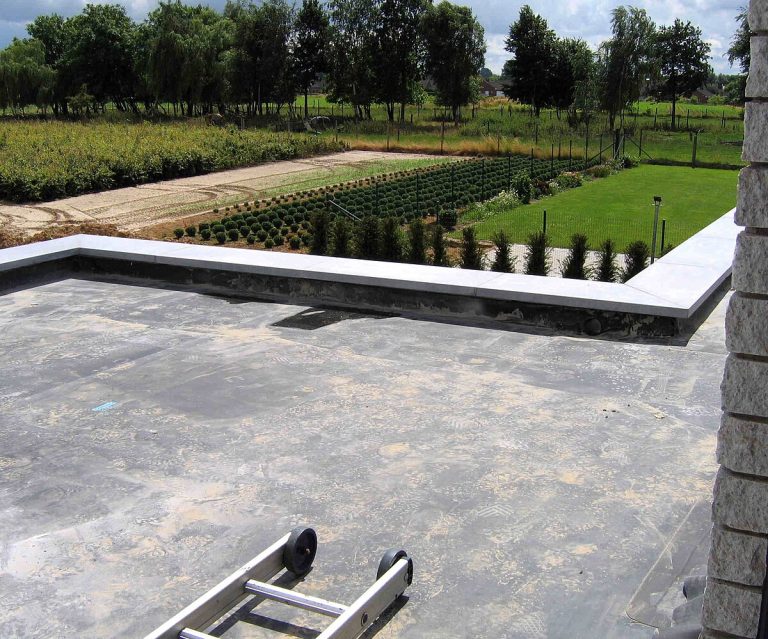
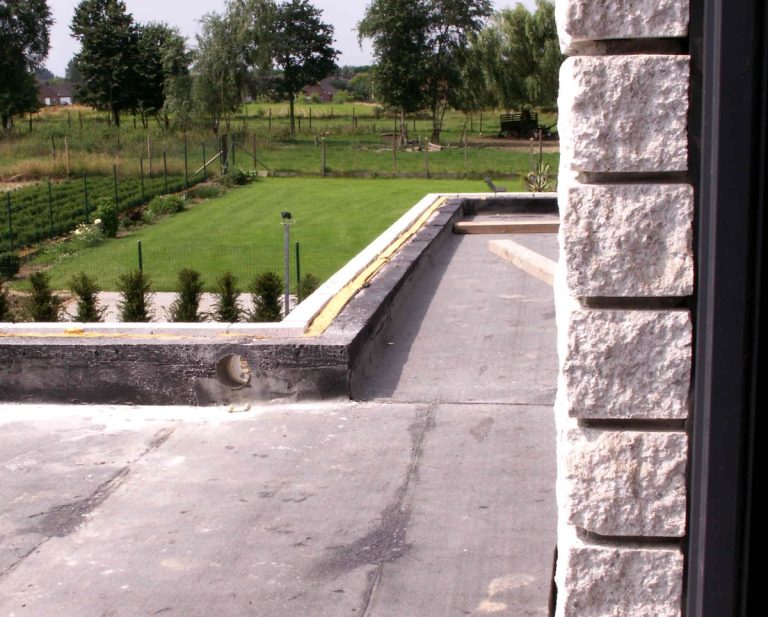
TPO is a single-ply membrane typically installed in large rolls (6, 8, 10, or 12 feet wide) over rigid insulation board on flat or low-slope roofs. Seams are heat-welded using hot air, creating a bond that’s actually stronger than the membrane itself. This is TPO’s key advantage over adhesive-based systems — heat-welded seams are the most reliable waterproofing method available in single-ply roofing.
Cost Breakdown
- Material cost: $1.50–$3.00 per square foot (varies by thickness: 45 mil, 60 mil, 80 mil)
- Insulation: $1.50–$2.50 per square foot
- Labor and installation: $2.50–$3.50 per square foot
- Total installed cost: $5.50–$8.50 per square foot
- For a 10,000 sq ft commercial roof: $55,000–$85,000
60 mil TPO is the current industry standard for commercial applications. While 45 mil is available, most reputable contractors and manufacturers recommend 60 mil or 80 mil for buildings in the Mid-Atlantic due to the climate demands.
Mid-Atlantic Performance
Heat performance (Excellent): TPO’s white reflective surface is its signature advantage. In Mid-Atlantic summers where rooftop temperatures can exceed 160°F, a white TPO membrane stays 50–60°F cooler than a dark surface. This translates to measurable cooling cost reductions — typically 10–20% for buildings with minimal insulation, and 5–10% for well-insulated buildings.
Snow and cold performance (Good): TPO performs adequately in cold weather, but it’s the area where EPDM has an edge. In extreme cold (below 0°F, which happens occasionally in western MD and PA), TPO can become less flexible. However, the heat-welded seams hold up well through freeze-thaw cycling. Snow weight is handled by the building structure, not the membrane — so TPO’s snow performance is equivalent to other single-ply options.
Wind resistance (Very Good): Mechanically attached TPO systems provide excellent wind uplift resistance, making them suitable for the Mid-Atlantic’s nor’easters and occasional tropical storm remnants. Most systems are rated for wind speeds of 90–120 mph when properly installed.
Lifespan in the Mid-Atlantic: 20–30 Years
TPO’s track record in the Mid-Atlantic supports a 20–30 year lifespan for quality products (60 mil+) installed by certified contractors. Earlier TPO formulations (pre-2010) had some durability concerns, but modern manufacturing has resolved those issues. Leading manufacturers like Carlisle, GAF, and Firestone now offer 20–30 year warranties on their premium TPO lines.
EPDM Roofing: The Proven Workhorse
EPDM has been the backbone of commercial flat roofing for over 50 years. See our guide to commercial flat roof repair vs replacement in Pennsylvania for detailed options. This synthetic rubber membrane has an unmatched track record for durability and cold-weather performance, making it a reliable choice for Mid-Atlantic commercial properties.
How EPDM Works
EPDM is a single-ply rubber membrane available in large sheets (up to 50 feet wide, minimizing seam requirements). It can be fully adhered, mechanically attached, or ballasted (held down with river rock or pavers). Seams are sealed with adhesive or tape rather than heat-welding.
Cost Breakdown
- Material cost: $1.00–$2.50 per square foot (varies by thickness: 45 mil or 60 mil)
- Insulation: $1.50–$2.50 per square foot
- Labor and installation: $2.00–$3.00 per square foot
- Total installed cost: $4.50–$7.50 per square foot
- For a 10,000 sq ft commercial roof: $45,000–$75,000
EPDM’s lower material cost and simpler installation (no heat-welding equipment required) typically make it 15–25% less expensive than TPO for comparable projects.
Mid-Atlantic Performance
Heat performance (Moderate): Standard black EPDM absorbs heat, which increases cooling costs in summer. However, white EPDM is available and provides reflectivity comparable to TPO. If energy efficiency is a priority, specify white EPDM — though this narrows the cost advantage over TPO.
Snow and cold performance (Excellent): This is where EPDM shines. As a rubber membrane, EPDM remains flexible at temperatures well below 0°F. It handles freeze-thaw cycling better than any other single-ply membrane. For properties in western Pennsylvania, western Maryland, or mountain areas of Virginia where winters are severe, EPDM’s cold-weather flexibility is a significant advantage.
Wind resistance (Good): Mechanically attached and fully adhered EPDM systems offer good wind resistance. Ballasted systems (the least expensive option) are limited to buildings in lower wind zones and areas without strict wind code requirements.
Lifespan in the Mid-Atlantic: 25–30 Years
EPDM’s 50-year track record provides strong evidence for its longevity claims. Many EPDM roofs installed in the 1990s are still performing well across the Mid-Atlantic. The 25–30 year expected lifespan is conservative — well-maintained EPDM systems regularly exceed 30 years. The seams are the most common failure point; annual inspection and re-sealing every 10–15 years extends overall system life significantly.
Metal Roofing: The Long-Term Investment
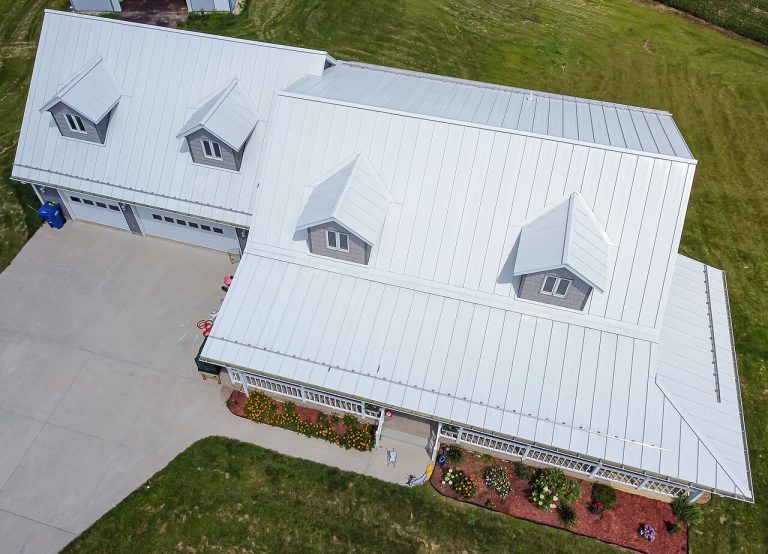
Commercial metal roofing — primarily standing seam systems — offers the longest lifespan of any common roofing material. While the upfront cost is higher, the per-year cost of ownership is often lower than membrane systems when calculated over the full building lifecycle.
How Commercial Metal Roofing Works
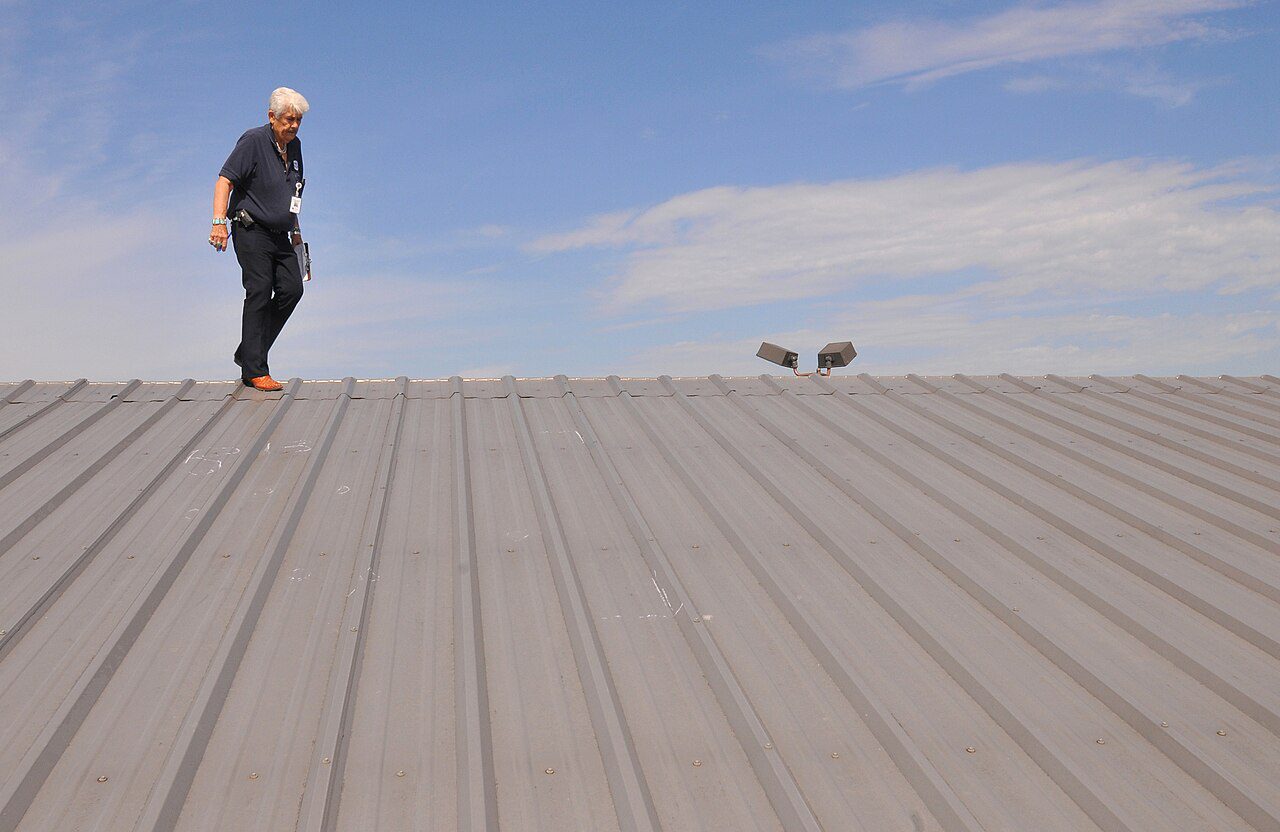
Commercial metal roofing uses interlocking panels (typically 12–18 inches wide) that connect via raised seams. The seam design allows panels to expand and contract with temperature changes without compromising waterproofing. Panels are secured to the roof deck with concealed clips, and no fasteners penetrate the surface of the roofing — eliminating the most common source of leaks in other systems.
Cost Breakdown
- Material cost (Galvalume steel): $3.50–$6.00 per square foot
- Material cost (aluminum): $5.00–$8.00 per square foot
- Insulation and underlayment: $1.50–$3.00 per square foot
- Labor and installation: $4.00–$6.00 per square foot
- Total installed cost: $9.00–$16.00 per square foot
- For a 10,000 sq ft commercial roof: $90,000–$160,000
Metal’s higher upfront cost is offset by its dramatically longer lifespan and lower maintenance requirements. On a cost-per-year basis, metal often costs $2–$3 per square foot per year versus $2.50–$4 per square foot per year for membrane systems that need replacement twice during metal’s lifespan.
Mid-Atlantic Performance
Heat performance (Very Good): Modern commercial metal roofing features “cool roof” coatings with solar reflectance ratings comparable to white TPO. Kynar/Hylar coatings maintain their reflectivity for decades without the degradation that affects membrane surfaces.
Snow and cold performance (Excellent): Metal is the premier choice for snow management. Its smooth surface sheds snow effectively (snow guards can be added where controlled shedding is needed). No freeze-thaw concerns — metal doesn’t absorb water, crack, or become brittle. Ice dam risk is minimal because heat transfer through metal panels is predictable and manageable with proper insulation.
Wind resistance (Excellent): Standing seam metal roofing systems are rated for wind speeds of 110–180 mph depending on the system and installation method. This makes metal the top choice for coastal Mid-Atlantic properties exposed to tropical storm and nor’easter winds.
Lifespan in the Mid-Atlantic: 40–60 Years
Well-installed commercial metal roofing routinely lasts 40–60 years in the Mid-Atlantic. The coating (paint system) may need restoration at the 25–35 year mark — a process that costs a fraction of replacement and extends the system life another 15–25 years. Panel integrity is rarely the limiting factor; fasteners, closures, and trim components are typically addressed during routine maintenance.
Head-to-Head: Which System Wins for Your Building?
The “best” system depends entirely on your building’s specific situation. Here’s how to decide:
Choose TPO If:
- Your building has a flat or low-slope roof (less than 2:12 pitch)
- Energy efficiency and cooling cost reduction are priorities
- Your budget is moderate and you want the best balance of cost and performance
- Your building is in an urban area (DC, Baltimore, Richmond, Philadelphia) where heat island effects are significant
- You plan to own the building for 15–25 years
Choose EPDM If:
- Your building is in a colder part of the region (western PA, western MD, mountain VA)
- Budget is a primary concern and you need the lowest installed cost
- The building has a large, simple roof with minimal penetrations (fewer seams needed)
- You want a proven system with a 50-year track record rather than newer technology
- A ballasted system is feasible (structural capacity for the additional weight)
Choose Metal If:
- Your building has a sloped roof (metal excels at 3:12 pitch and above)
- You want the longest possible lifespan and lowest lifecycle cost
- Wind resistance is a critical concern (coastal areas, exposed sites)
- You’re building new construction where metal can be integrated from the start
- Aesthetics matter — metal provides a cleaner, more professional appearance
- You plan to own the building for 25+ years
Maintenance Requirements Compared
Ongoing maintenance costs affect the total cost of ownership significantly:
- TPO: Semi-annual inspections, seam checks, drain clearing. Budget $0.05–$0.10/sq ft annually for maintenance.
- EPDM: Semi-annual inspections, seam re-sealing every 10–15 years, drain clearing. Budget $0.08–$0.15/sq ft annually.
- Metal: Annual inspection, fastener checks, gutter maintenance, coating restoration at 25–35 years. Budget $0.03–$0.08/sq ft annually (lower than membranes due to fewer failure points).
Warranty Comparison
All three systems offer manufacturer warranties, but the coverage varies:
- TPO: 15–30 year NDL (No Dollar Limit) warranties available from major manufacturers. Requires installation by certified contractors.
- EPDM: 15–30 year NDL warranties available. Some manufacturers offer lifetime membrane warranties (excluding seam adhesive).
- Metal: 20–50 year panel warranties plus separate coating (paint) warranties of 25–40 years. Weathertight warranties of 20 years are standard from premium manufacturers.
Related Reading
- commercial flat roofing options in Maryland
- flat roof replacement in Virginia
- DC commercial flat roofing contractors
Get a Custom Comparison for Your Building
The right roofing system for your commercial building depends on factors specific to your property — roof size, slope, building use, energy goals, and budget. A professional assessment will give you accurate pricing for all three options so you can make a truly informed decision.
Related Roofing Resources
- Best roofing materials for Mid-Atlantic weather
- How long roofs last in the Mid-Atlantic
- Signs you need a roof replacement
- Deciding between roof repair and replacement
- Financing a roof replacement
- Whether homeowners insurance covers roof replacement
Request your free commercial roofing estimate today and get a customized comparison of TPO, EPDM, and metal roofing options for your Mid-Atlantic property. Our network of commercial roofing specialists serves property owners and managers throughout Maryland, Virginia, Washington DC, and Pennsylvania.