Roof Replacement Cost in Richmond, Virginia: Complete 2026 Breakdown
Richmond sits at the fall line of the James River, where the Piedmont meets the Coastal Plain, and that geographic split shows up in everything from its housing stock to its roofing costs. The city’s mix of historic districts, post-war suburbs, and newer developments creates a roofing market where prices swing widely depending on where your home sits. In 2026, most Richmond homeowners pay between $7,500 and $14,500 for a full roof replacement, though properties in the Fan District and Church Hill can climb higher because of historic preservation requirements that limit materials and add permitting steps.
What Affects Roof Replacement Cost in Richmond Virginia
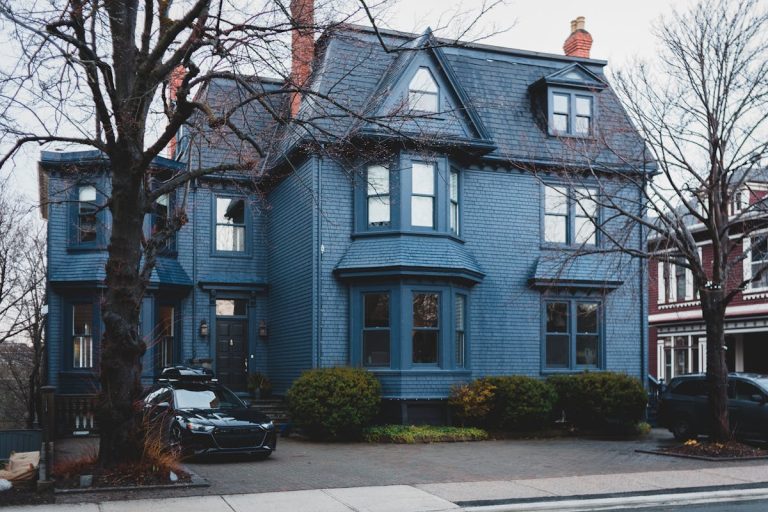
Richmond’s historic neighborhoods create cost pressures you won’t find in the suburbs. The Fan District — those gorgeous Victorian and Edwardian row houses along Monument Avenue and the surrounding blocks — often falls under the city’s Old and Historic Districts overlay. Church Hill, Oregon Hill, and parts of Jackson Ward carry similar designations. When your home sits in one of these areas, you can’t just slap on any shingle and call it done. The Commission of Architectural Review (CAR) may require specific materials, colors, or profiles that match the historic character of the neighborhood. That oversight adds both time and cost to your project.
Slate roofs are common on Fan District homes, and replacing slate with architectural shingles requires CAR approval. If the commission requires you to maintain a slate roof, your costs jump dramatically — $1,500 to $3,000 per square installed versus $450 to $650 for architectural shingles. Some homeowners successfully petition for synthetic slate as a compromise, which runs $800 to $1,200 per square and satisfies most historic review boards.
Beyond the historic core, Richmond’s cost factors look more typical. Home size, roof pitch, tear-off layers, and decking condition drive the final number. Suburban neighborhoods like Short Pump, Glen Allen, and Midlothian feature predominantly 1980s-to-2000s construction with standard asphalt shingle roofs on moderate pitches. These homes are straightforward to re-roof, and pricing sticks close to the state average. Newer developments in the West End and along the Route 288 corridor feature similar construction — standard pitch, easy access, and single-layer tear-offs that keep labor hours predictable.
In my 36 years of roofing across the Mid-Atlantic, Richmond’s mix of old and new keeps contractors on their toes. A crew might do a routine shingle tear-and-replace in Brandermill in the morning and then work an intricate Church Hill slate repair in the afternoon. That versatility affects which contractors can serve the whole market.
Cost by Roofing Material
Here’s what Richmond homeowners can expect to pay per square (100 square feet) installed in 2026:
| Material Type | Price Range Per Square (Installed) |
|---|---|
| 3-Tab Asphalt Shingles | $325 – $425 |
| Architectural Asphalt Shingles | $425 – $625 |
| Standing Seam Metal | $875 – $1,350 |
| Flat Roof (TPO/EPDM) | $475 – $775 |
| Natural Slate | $1,500 – $3,000 |
| Synthetic Slate | $800 – $1,200 |
Architectural shingles remain the dominant choice for Richmond’s suburban and non-historic urban homes. They offer the best balance of cost, durability, and appearance for the region’s hot summers and cold-enough winters. Richmond’s climate is milder than Pittsburgh or even Philadelphia, so freeze-thaw damage is less of a concern — but summer heat above 95°F can soften shingles and make attic spaces dangerously hot for crews.
For homes in the Virginia Beach and Hampton Roads area, coastal factors push prices differently. Richmond doesn’t deal with salt air, but it does get hit by the remnants of tropical systems that track inland, bringing heavy rain and occasional wind damage.
Looking to lock in a price? You can get a free roofing estimate from a Richmond-area contractor who understands both historic and standard roofing requirements.
Permit Costs in Richmond
The City of Richmond requires building permits for roof replacement. Standard permit fees range from $100 to $275 based on project valuation. If your home falls within one of Richmond’s Old and Historic Districts, you’ll also need a Certificate of Appropriateness from the Commission of Architectural Review before pulling your building permit. The CAR application is free, but the review process adds two to six weeks to your timeline.
Henrico County and Chesterfield County — where many Richmond metro homeowners live — have their own permitting offices. Fees are comparable, typically $75 to $250, and turnaround is faster since there’s no historic review overlay.
Best Time to Replace Your Roof in Richmond
Richmond’s ideal roofing season runs from late March through early June and from mid-September through November. Summer heat from July through August pushes daytime temperatures above 95°F regularly, which makes roof work physically punishing and can cause asphalt shingles to scuff during installation. Most experienced Richmond crews shift to early morning starts during summer to avoid peak heat.
Fall is the most popular season for roof replacement in Richmond, which means October and November backlogs fill fast. Book at least four weeks ahead during those months. Winter work is feasible in most Richmond winters since temperatures rarely stay below freezing for extended periods, but adhesive performance drops in cold weather. Spring offers good conditions, but Richmond’s pollen season in April and May can coat freshly installed shingles — it’s cosmetic only and washes off with the first rain, but some homeowners prefer to wait until after pollen drops.
For regional seasonal advice, read our guide on the best time to replace a roof in the Mid-Atlantic.
How to Vet a Roofing Contractor in Richmond
Virginia licenses roofing contractors through the Department of Professional and Occupational Regulation (DPOR). Every contractor working on your Richmond home needs either a Class A, B, or C contractor license with roofing specialty. Verify any license online at the DPOR website before signing a contract.
For homes in historic districts, verify that your contractor has specific experience with CAR-approved installations. A roofer who does great work in Midlothian may not understand the material restrictions, color matching, and documentation required for a Church Hill project. Ask to see completed projects in the same historic district as your home.
Additional items to verify:
- Active DPOR contractor license with roofing classification
- General liability insurance and workers’ compensation certificates
- Experience with your specific roofing material (slate, synthetic slate, or shingles)
- At least three Richmond-area references from the past 12 months
- A written warranty covering labor and materials with clear terms on coverage duration and what voids the warranty
Red flag for Richmond: contractors who claim they can install any material in a historic district without CAR review. Some homeowners have had to tear off brand-new roofs that didn’t meet historic standards — a $15,000 mistake that could’ve been avoided with proper permitting.
For statewide pricing context, review our guide on roof replacement cost in Virginia.
Related Roofing Resources
- Richmond storm damage roof claims
- Northern Virginia roof replacement costs
- Signs you need a roof replacement
- Deciding between roof repair and replacement
- How long roofs last in the Mid-Atlantic
- Financing a roof replacement
Frequently Asked Questions
Do Fan District homes in Richmond require special roofing materials?
Many Fan District homes fall within Richmond’s Old and Historic Districts, which means the Commission of Architectural Review must approve visible material changes. If your home currently has slate, you’ll likely need to replace with slate or an approved synthetic slate. Standard architectural shingles may not be allowed. Check your property’s historic designation before getting quotes.
How much does roof replacement cost in Richmond in 2026?
Most Richmond homeowners spend between $7,500 and $14,500 on a full roof replacement. Historic district homes requiring slate or synthetic slate can cost $20,000 to $40,000 or more depending on roof size. Standard suburban homes with architectural shingles stay within the typical range.
What permits do I need for roof replacement in Richmond?
You need a building permit from the City of Richmond, costing $100 to $275. If your home sits in a historic district, you also need a Certificate of Appropriateness from the Commission of Architectural Review before the building permit is issued. Henrico and Chesterfield counties have separate permit requirements.
How long do asphalt shingles last in Richmond’s climate?
Architectural asphalt shingles typically last 25 to 30 years in Richmond. The city’s hot summers accelerate granule loss, and occasional tropical storm remnants can cause wind damage. Regular inspections every two to three years help catch problems early and extend your roof’s life. Keeping gutters clear and trimming overhanging tree branches — especially the large oaks common in neighborhoods like Windsor Farms and Westover Hills — also makes a measurable difference in shingle longevity.
Most Richmond homeowners pay between $7,500 and $14,500 for a full roof replacement in 2026. For an accurate quote based on your home’s size, materials, and neighborhood, get a free roofing estimate from a licensed Richmond roofing contractor.