Roof Replacement Cost in the Lehigh Valley: Allentown, Bethlehem and Easton Guide
Three cities, one valley, and a roofing market that’s shifted fast. Allentown, Bethlehem, and Easton make up the Lehigh Valley — a region where rapid suburban growth over the past fifteen years has pushed contractor demand and labor costs higher than anywhere else in central Pennsylvania. If you own a home in the Lehigh Valley and your roof is approaching 20 years, here’s what the numbers look like in 2026: most homeowners pay between $8,800 and $15,200 for a full replacement, with the wide range driven by housing type, roof complexity, and which part of the valley you call home.
What Affects Roof Replacement Cost in the Lehigh Valley
The Lehigh Valley’s housing stock stretches from 1920s row homes in downtown Allentown and South Bethlehem to brand-new construction in Upper Macungie and Forks Township. That range creates a pricing spectrum most homeowners don’t expect until they start getting quotes.
In Allentown’s older neighborhoods — the West End, Center City, and parts of Midway Manor — you’ll find tightly spaced row homes and duplexes with low-slope or flat-to-moderate roof sections. These roofs are smaller but cost more per square foot to replace because of access limitations, multi-layer tear-offs, and the occasional knob-and-tube wiring surprise that forces electricians onsite before roofers can proceed.
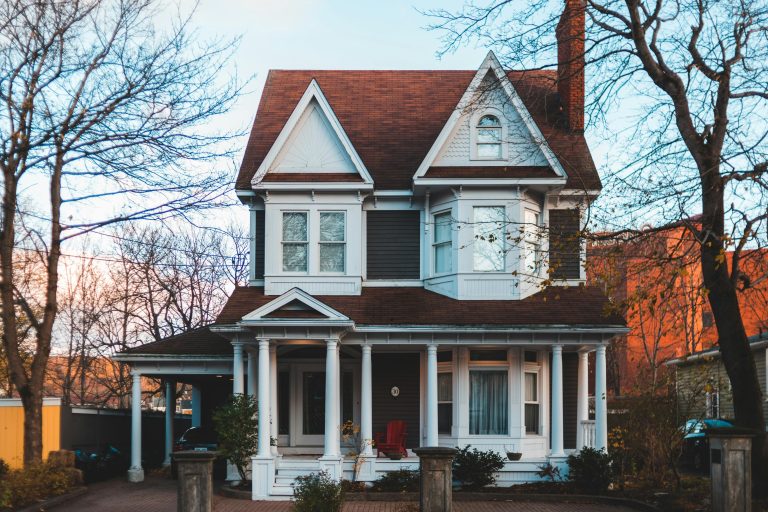
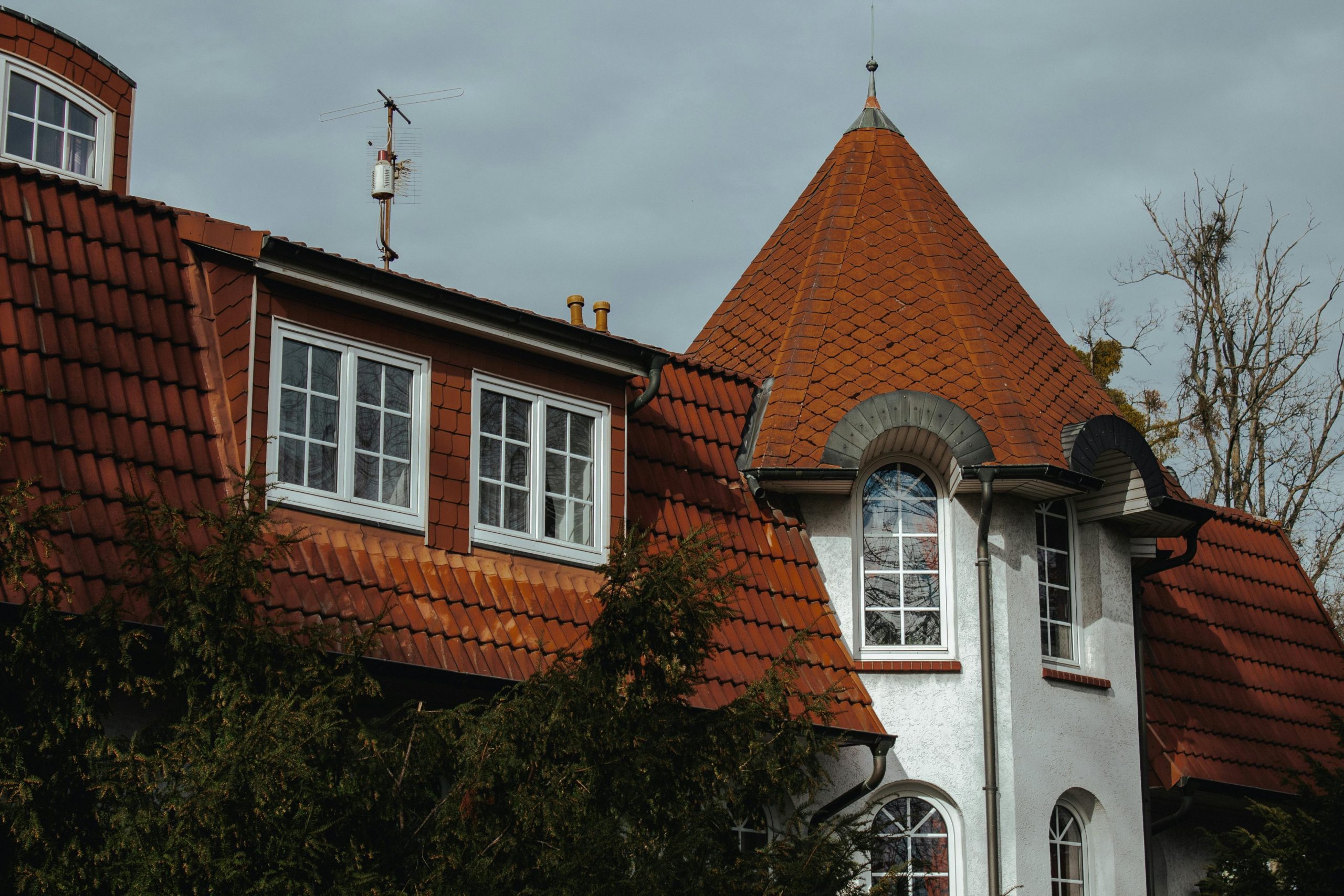
Bethlehem’s historic district and Easton’s College Hill neighborhood present similar challenges. Victorian-era homes with steep pitches, turrets, and decorative trim demand skilled crews who know how to flash complex roof geometry without cutting corners. Don’t expect bottom-dollar pricing on these homes — the labor intensity is real. Flashing around slate dormers and copper valleys on an 1890s Victorian takes three times longer than running straight courses on a ranch roof in Palmer Township.
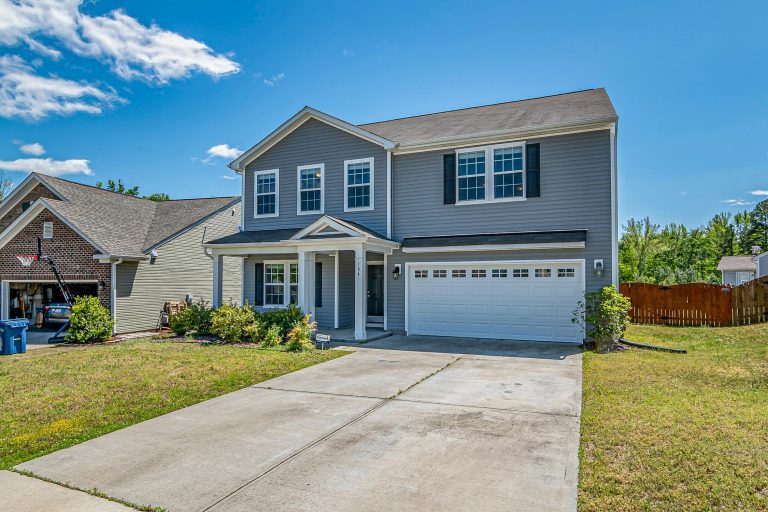
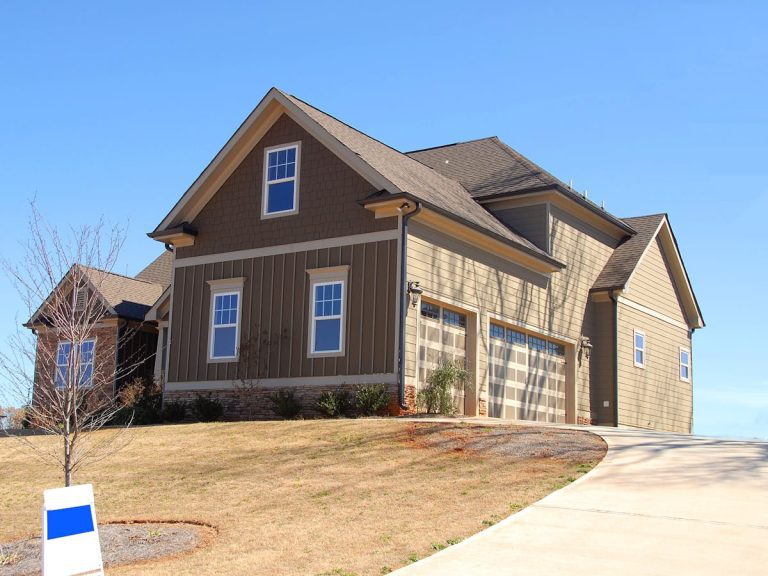
Head out to the suburban growth corridors and the picture changes. Developments in Lower Macungie, Upper Saucon, and Hanover Township feature homes built after 1990 with standard gable roofs and open lot access. Crews move efficiently through these neighborhoods, and you’ll typically see quotes 10-15% lower than comparable square footage in the older city cores.
The Lehigh Valley’s construction boom has created its own pricing pressure. New residential development has absorbed a significant share of the available roofing labor pool, leaving fewer experienced crews for replacement work. That scarcity has driven labor rates up faster here than in Harrisburg, Reading, or the Poconos — and it shows in the quotes. Material costs are identical statewide since distributors price by region, but the labor component — which typically makes up 40-60% of a roofing job — is where Lehigh Valley homeowners feel the premium most.
Cost by Roofing Material
| Material Type | Price Range Per Square (Installed) |
|---|---|
| 3-Tab Asphalt Shingles | $375 – $475 |
| Architectural Asphalt Shingles | $475 – $700 |
| Standing Seam Metal | $850 – $1,300 |
| Metal Shingles | $750 – $1,050 |
Architectural shingles remain the go-to choice across the Lehigh Valley. They’re the default recommendation from most local contractors, and homeowners in planned communities throughout Lower Macungie and Upper Macungie often have HOA requirements that steer them toward dimensional shingles anyway. The price bump over 3-tab shingles buys you better wind resistance, a longer warranty, and significantly better curb appeal.
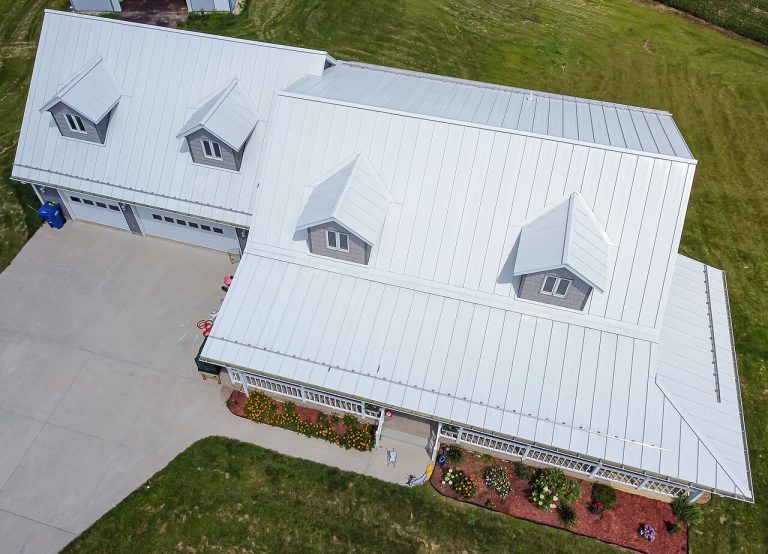
Metal roofing has carved out a niche in the valley’s rural-suburban fringe — places like Williams Township and Moore Township in Northampton County where homes sit on larger lots and owners think in decades rather than years. A standing seam metal roof in the Lehigh Valley runs about $850-$1,300 per square installed, roughly double the cost of architectural shingles but with twice the expected lifespan.
Want to know what your roof specifically will cost? Get a free roofing estimate from a qualified Lehigh Valley contractor.
Permit Costs in the Lehigh Valley
Permit requirements and fees vary by municipality across the valley. The City of Allentown charges $75-$150 for residential roofing permits. Bethlehem’s fees run $80-$140 depending on project scope. Easton typically charges $65-$125. The suburban townships — Lower Macungie, Upper Saucon, Hanover — generally fall in the $50-$100 range. Always confirm your contractor has pulled the required permit before any materials hit the roof. Some townships in Lehigh and Northampton counties also require a separate zoning compliance check for homes in historic overlay districts — ask your contractor if this applies to your property.
Best Time to Replace Your Roof in the Lehigh Valley
The Lehigh Valley’s climate mirrors the broader Mid-Atlantic pattern but with slightly colder winters than areas south of the Blue Mountain ridge. Ideal roofing conditions run from mid-April through October, when daytime temperatures consistently stay above 50°F. Late September is the hidden gem — warm enough for proper shingle adhesion, dry enough for uninterrupted work, and past the summer thunderstorm peak that makes July and August schedules unpredictable.
Peak season runs June through August, and experienced crews book up fast. If your roof can wait until September or early October, you may find shorter wait times and occasionally better pricing. For more on seasonal timing across the region, check our guide on the best time to replace a roof in the Mid-Atlantic.
How to Vet a Roofing Contractor in the Lehigh Valley
Every roofing contractor operating in Pennsylvania must hold a valid HIC (Home Improvement Contractor) registration through the Pennsylvania Attorney General’s office. This isn’t optional. Ask for the registration number and verify it online before signing any contract or paying a deposit.
Request certificates of insurance — both general liability and workers’ compensation — directly from the insurer. A contractor handing you a photocopy from their glovebox isn’t good enough. You need current certificates with dates that cover your project.
The Lehigh Valley’s specific red flag: the region’s rapid growth attracts out-of-area contractors who set up shop temporarily to capture overflow demand. They operate for a season or two, collect deposits, and then become unreachable when warranty issues surface. Check how long the company has been based in the Lehigh Valley. Search their name on the Better Business Bureau and read recent reviews from homeowners in Allentown, Bethlehem, and the surrounding townships — not just generic five-star reviews with no project details.
How the Lehigh Valley Compares
The Lehigh Valley runs 5-8% above Harrisburg and Reading but generally tracks below Philadelphia pricing. The gap reflects the region’s higher labor costs driven by construction demand and a cost of living that’s risen sharply over the past decade. For statewide context, see our guide on roof replacement cost in Pennsylvania. If you’re comparing to the Philadelphia market directly, see our breakdown of roof replacement cost in Philadelphia.
Related Roofing Resources
- Lehigh Valley storm damage claims
- Roof replacement costs in Pittsburgh
- Signs you need a roof replacement
- Deciding between roof repair and replacement
- How long roofs last in the Mid-Atlantic
- Financing a roof replacement
Frequently Asked Questions
Why are Lehigh Valley roofing costs higher than the state average?
The valley’s rapid residential growth has created intense competition for skilled roofing crews. New construction absorbs available labor, which drives up costs for replacement projects. Combined with a cost of living that’s risen faster than most central PA markets, you’ll see quotes 5-10% above the statewide average for comparable work.
Do Lehigh Valley HOAs restrict roofing material choices?
Many planned communities in Lower Macungie, Upper Macungie, and Upper Saucon have architectural guidelines that specify shingle style, color range, and sometimes brand. Check your HOA covenants before selecting materials. Getting approval after the roof is on is much harder — and more expensive — than getting it before.
How much does it cost to replace a roof on a Bethlehem historic home?
Historic homes in Bethlehem with steep pitches, multiple dormers, and complex flashing typically run $12,000-$18,000 or higher depending on square footage and material choice. The labor-intensive nature of these roofs — combined with the care needed to preserve architectural character — pushes costs well above suburban averages.
Should I repair or replace my roof in the Lehigh Valley?
If your roof is under 15 years old and the damage is isolated to one section, repair usually makes financial sense. Once you’re past 20 years on asphalt shingles, replacement is almost always the better investment. Patching an aging roof delays the inevitable and can void any remaining manufacturer warranty coverage. A reputable contractor will give you an honest assessment — if they recommend repair over replacement, that’s usually a good sign you’re working with someone who isn’t just chasing the bigger job.
Lehigh Valley homeowners typically spend between $8,800 and $15,200 on a full roof replacement in 2026. Your actual cost depends on your home’s location, roof complexity, and material choice. Ready to get specific numbers? Get a free roofing estimate from a trusted local contractor.