Best Time to Replace a Roof in Maryland, Virginia, DC, and Pennsylvania
Timing a roof replacement is about more than just checking the weather forecast for next week. The season you choose, the current demand for contractors, and even the temperature outside can affect the quality of the installation, the price you pay, and how long you wait to get on a crew’s schedule. After 36 years of installing roofs across Maryland, Virginia, DC, and Pennsylvania, I can tell you that when you replace your roof matters almost as much as who does the work.
Fall Is the Sweet Spot for Roof Replacement
If you have the luxury of choosing when to replace your roof, aim for late September through mid-November. This is the window I recommend to every homeowner in the Mid-Atlantic, and here is why.
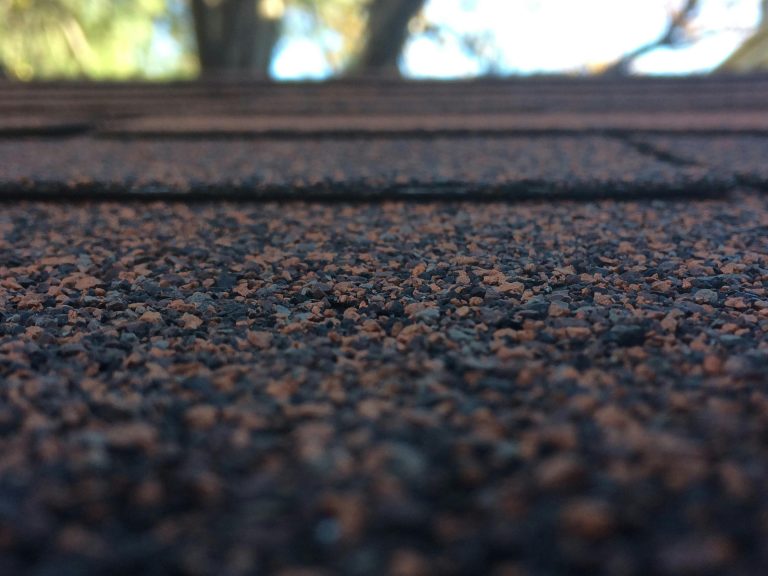
Temperatures in the 50 to 70 degree range are ideal for asphalt shingle installation. The shingles are pliable enough to seal properly but not so hot that they become soft and easily scuffed during installation. The adhesive strips on asphalt shingles need warm enough conditions to activate and bond — this thermal sealing is what keeps shingles from blowing off during winter storms.
Fall weather in Maryland, Virginia, DC, and Pennsylvania is generally dry and predictable. You are past the summer thunderstorm season and the Mid-Atlantic humidity that makes everyone miserable on a hot roof. Crews work more efficiently when they are not dealing with 95-degree heat indexes or afternoon pop-up storms.
There is also a practical advantage: getting your roof done before winter means you are protected before the season that tests your roof the hardest. Ice, snow, freeze-thaw cycles, and nor’easters put serious stress on roofing systems. Going into winter with a fresh roof gives you peace of mind that a worn-out one simply cannot.
Spring: A Solid Second Choice
Late April through early June is the second-best window for roof replacement in our region. The temperatures are climbing back into that ideal range, and you are getting ahead of hurricane season, which officially starts June 1.
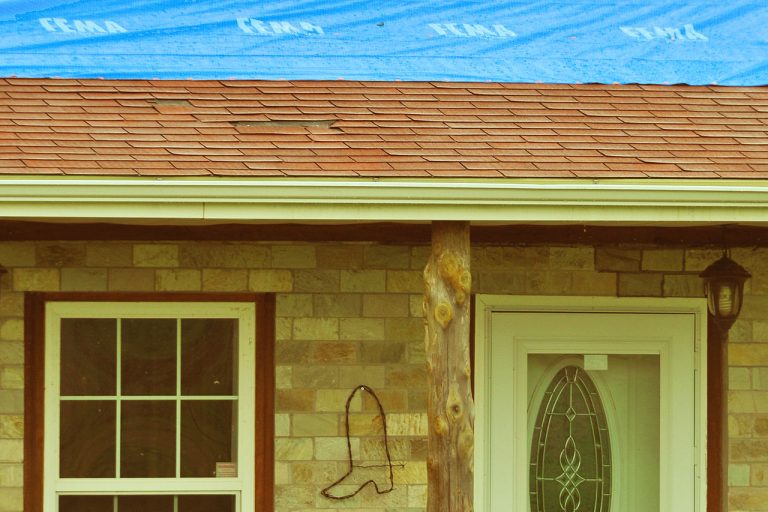
The downside of spring is rain. March and April are among the wettest months in the Mid-Atlantic, and even May can bring extended rain patterns. Every day of rain means your project gets pushed back, and a partially stripped roof sitting under tarps is not a situation anyone wants. If you are planning a spring replacement, build in extra buffer time and make sure your contractor has a clear plan for weather delays.
Spring is also when roofing contractors start to get busy. If you are planning a spring project, get your estimates and sign contracts in January or February. By April, the best crews already have full schedules. Our guide on finding a licensed roofing contractor walks you through the vetting process.
Summer Roof Replacement: It Works, But There Are Trade-Offs
Summer is peak roofing season, and plenty of good work gets done between June and August. But there are real trade-offs to consider.
Extreme heat is hard on both the crew and the materials. When roof surface temperatures hit 150 degrees or higher — which happens regularly in July and August in Virginia and Maryland — asphalt shingles become soft and vulnerable to scuffing from foot traffic during installation. Experienced crews know how to handle this, but it requires more care and slower work.
Demand is highest in summer, which means prices can be at their peak. Contractors have more work than they can handle, and some may rush jobs to keep up with their schedule. This is not universal, but it is a pattern I have seen enough times to mention. If you do go with a summer replacement, check that your contractor is not overbooked. Look for the warning signs that suggest a contractor is stretched too thin.
On the positive side, the long daylight hours mean crews can work a full day, and the warm temperatures guarantee proper shingle sealing. If your roof is in bad shape and you cannot wait for fall, summer is perfectly viable — just choose your contractor carefully.
Winter: Emergency Only
I will be honest: I do not recommend winter roof replacements unless you have an emergency — review the signs you need a roof replacement to decide if it can wait. A tree through your roof in January or ice dam damage in February does not give you the option of waiting for spring.
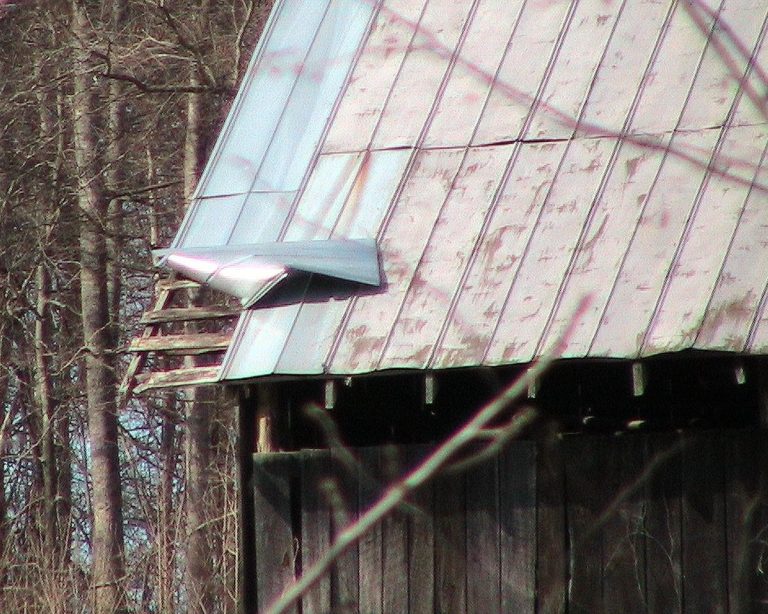
The problem with winter installations is temperature. Below 40 degrees, asphalt shingles become brittle and the adhesive strips will not seal. Crews can still install them, and the shingles will eventually seal when warm weather arrives, but until they do, your new roof is vulnerable to wind uplift. I have seen new shingles installed in December blow off in a January windstorm because they never had a chance to bond.
Ice, snow, and short daylight hours also slow everything down and increase safety risks for the crew. Some contractors charge a premium for winter work because of these challenges. Others shut down entirely from December through February.
If you do need an emergency repair or replacement in winter, our guide on emergency tarping and temporary repairs can help you protect your home while you coordinate the full replacement.
How Timing Affects Price
Roofing is a seasonal business, and pricing follows demand. Here is the general pattern I see across the Mid-Atlantic:
Winter (December–February) can sometimes offer lower prices because demand drops. Some contractors offer off-season discounts to keep their crews working. If you are comfortable with the temperature-related risks and you find a contractor willing to do quality winter work, you can save 5 to 15 percent.
Late spring and summer (May–August) are typically the most expensive months. High demand means less negotiating room. Early fall (September–October) hits the sweet spot of moderate demand and ideal conditions. Late fall (November) sometimes brings discounts as contractors try to fill their schedule before winter.
The price differences are not dramatic in most cases — maybe $500 to $2,000 on a typical residential job. But for homeowners watching their budget, timing can make a meaningful difference. For a detailed breakdown of what you should expect to pay, see our Maryland roof replacement cost guide.
When Should You Start Planning?
If you know your roof needs replacing, start the process two to three months before your target installation date. That gives you time to get multiple estimates, vet contractors, check references, and sign a contract without feeling rushed.
For a fall replacement, start getting estimates in July. For spring, reach out to contractors in January. Do not wait until the shingles are actively falling off — by then you are in emergency mode, and emergency work always costs more and gives you fewer options.
The Bottom Line
The best time to replace a roof in Maryland, Virginia, DC, and Pennsylvania is early to mid-fall, with late spring as a close second. But the real answer is: the best time is before your roof fails. A planned replacement on your schedule will always go smoother and cost less than a panic job after a storm or a catastrophic leak.
If your roof is getting up there in age or you have noticed warning signs, do not wait for the perfect month. Get the process started now. Get a free roofing estimate and find out where your roof stands — then you can pick your timing from a position of knowledge, not desperation.