Architectural Shingles vs. 3-Tab Shingles: Which Is Right for Your East Coast Home?
When it comes time to replace your roof, one of the first decisions you will face is what type of asphalt shingles to use. For most homeowners in Maryland, Virginia, DC, and Pennsylvania, the choice comes down to architectural shingles versus 3-tab shingles. Both are asphalt-based, both are widely available, and both get the job done — but they are not the same product, and the differences matter more than most people realize.
I have installed both types thousands of times over 36 years in the roofing business. Here is what I tell homeowners when they ask me which one they should choose.
What Are 3-Tab Shingles?
3-tab shingles are the traditional, flat asphalt shingle that dominated residential roofing from the 1960s through the early 2000s. Each shingle strip has three evenly spaced tabs that create a uniform, repeating pattern on your roof. They are a single layer of asphalt-coated fiberglass with ceramic granules on the surface.
The appeal of 3-tab shingles has always been price. They are the most affordable asphalt roofing option available, typically costing 20 to 40 percent less than architectural shingles per square (100 square feet of coverage). For homeowners on a tight budget, that price difference on a 2,000 square foot roof can easily mean $2,000 to $4,000 in savings.
But there is a reason the industry has shifted away from 3-tabs. They are thinner, lighter, and less durable than architectural shingles. Most 3-tab shingles carry a 20 to 25-year manufacturer warranty, but in the Mid-Atlantic climate — with our temperature swings, humidity, storms, and freeze-thaw cycles — I rarely see them last beyond 15 to 18 years before they start showing serious wear.
What Are Architectural Shingles?
Architectural shingles, also called dimensional or laminate shingles, are a heavier, multi-layered asphalt shingle. Instead of a flat, uniform appearance, they have varying tab sizes and an extra layer of material bonded to the base, creating a three-dimensional look that mimics wood shakes or slate.
The construction difference is significant. Architectural shingles are roughly 50 percent heavier than 3-tabs, which translates directly to durability. They carry warranties of 30 to 50 years (sometimes lifetime) and are rated for higher wind speeds — typically 110 to 130 mph versus 60 to 70 mph for standard 3-tabs.
Architectural shingles now account for about 75 percent of all residential roofing installations in the United States. In our market across Maryland, Virginia, DC, and Pennsylvania, the percentage is even higher. They have become the standard product, not the upgrade.
Cost Comparison for Mid-Atlantic Homeowners
Let’s talk real numbers for our region. For a typical 2,000 square foot home with a moderately complex roof, here is what you are looking at in 2026:
3-Tab shingles: $7,000 to $10,000 installed, including tear-off of the old roof, new underlayment, flashing, and cleanup. Material cost per square runs about $80 to $100.
Architectural shingles: $9,500 to $14,000 installed for the same home. Material cost per square runs about $100 to $150, depending on the specific product line and manufacturer.
The labor cost is similar for both since the installation process is nearly identical. The price difference comes mainly from the material cost. For more detailed pricing by state, check our cost guides for Maryland, Virginia, and Washington DC.
Durability and Lifespan in the Mid-Atlantic Climate
This is where the real difference shows up, and it is the reason I almost always recommend architectural shingles for homes in our region.
The Mid-Atlantic climate is brutal on roofing materials. We get summer heat that pushes attic temperatures past 140 degrees, winter cold that drops into the teens, ice and snow loads, heavy rainfall, high winds from storms and nor’easters, and the constant expansion and contraction from temperature swings. That is a lot of stress on any roofing product.
3-tab shingles, being thinner and lighter, take that beating harder. The tabs are more prone to lifting in wind, the single-layer construction is more vulnerable to cracking in cold weather, and the lighter weight means less resistance to hail impact. In my experience, 3-tabs on a Maryland or Pennsylvania home start curling at the edges around year 12 and become a maintenance concern by year 15.
Architectural shingles handle our climate significantly better. The multi-layer construction resists wind uplift more effectively, the heavier weight provides better impact resistance, and the dimensional design means less exposure of the adhesive strips to UV degradation. I regularly see architectural shingles going strong at 25 years in our region, and many hit 30 with proper ventilation and maintenance. For more on what affects roof lifespan, see our article on how long roofs last in the Mid-Atlantic.
Wind Resistance: A Real Concern for East Coast Homes
Wind is the number one enemy of asphalt shingles on the East Coast. Between tropical storms, nor’easters, and regular thunderstorm winds, our roofs take a beating from above that homeowners in calmer climates simply do not experience.
Standard 3-tab shingles are rated for winds of 60 to 70 mph. That sounds adequate until you consider that severe thunderstorm warnings are issued for winds of 58 mph or higher, and we get those warnings multiple times every summer. A category 1 hurricane brings sustained winds of 74 to 95 mph — well beyond what 3-tabs are designed to handle.
Architectural shingles rated for 110 to 130 mph provide a substantial safety margin. Even premium 3-tabs cannot match that rating. If you live in eastern Virginia, coastal Maryland, or anywhere in the Mid-Atlantic hurricane corridor, the wind resistance alone justifies the upgrade.
Appearance and Curb Appeal
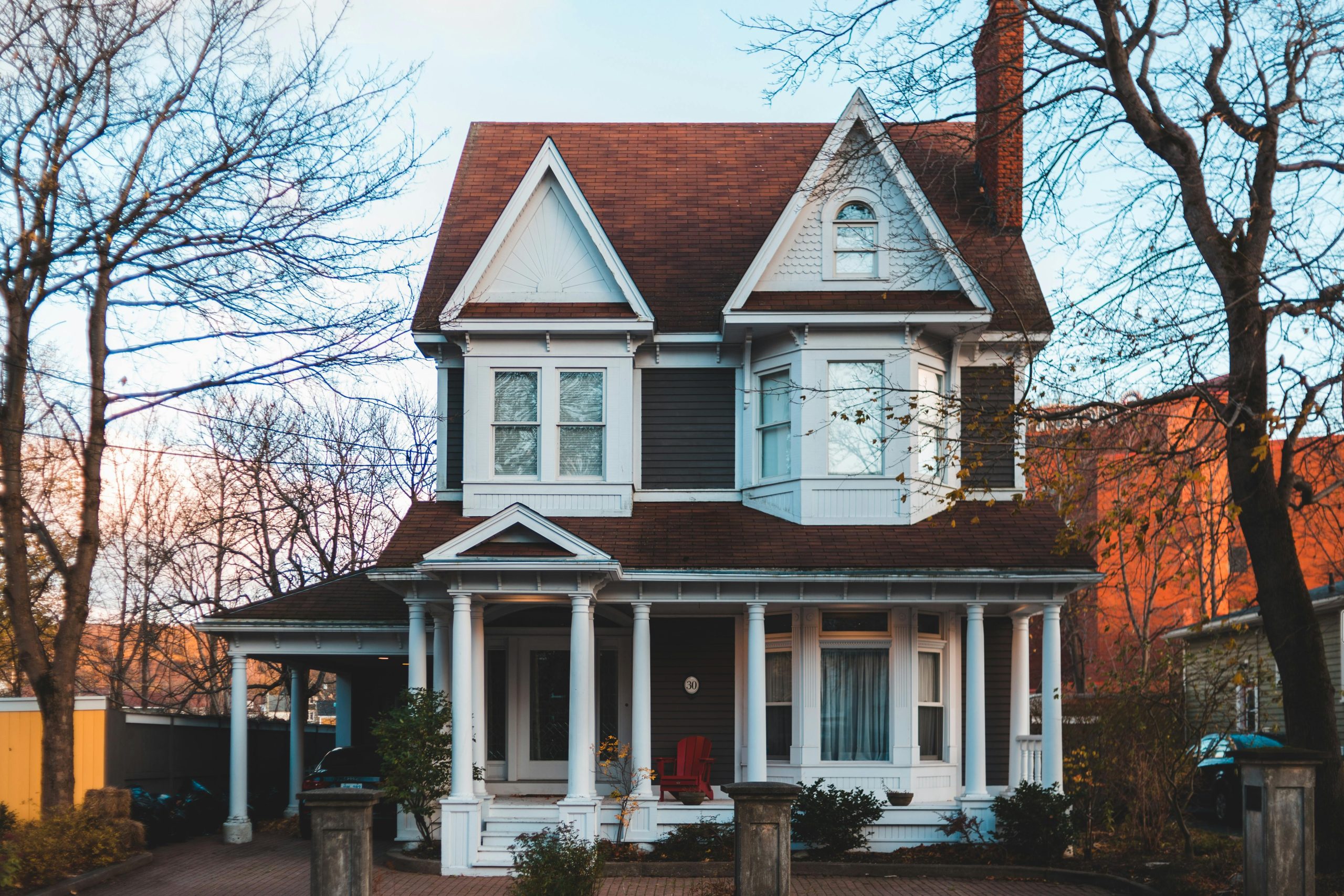
Let’s be honest — curb appeal matters. It affects your enjoyment of your home, your neighbors’ perceptions, and your property value. Architectural shingles look better. The dimensional profile creates shadow lines and depth that give your roof visual texture and interest. 3-tab shingles look flat and utilitarian by comparison.
If you are planning to sell your home within the next several years, architectural shingles are the clear winner. Real estate agents consistently report that homes with architectural shingle roofs photograph better, show better, and face fewer objections during inspections. The National Association of Realtors has noted that a new roof is one of the top exterior improvements for return on investment.
When 3-Tab Shingles Still Make Sense
Despite everything I have said in favor of architectural shingles, there are situations where 3-tabs are the right call:
Rental properties on a tight budget. If you are roofing an investment property and need to minimize costs, 3-tabs get the job done at a lower price point. Just factor in the shorter lifespan when calculating your long-term costs.
Temporary roofing before a sale. If you are selling a home that needs a new roof and you need to keep costs down, 3-tabs can be a pragmatic choice. The new buyer may eventually replace them, but you have addressed the immediate need.
Matching an existing 3-tab roof on a repair. If you need to replace a section of an existing 3-tab roof, mixing architectural and 3-tab shingles looks terrible. Match what is there.
My Recommendation for East Coast Homeowners
For any homeowner who plans to stay in their home for more than five years, architectural shingles are the better investment. The upfront cost difference of $2,500 to $4,000 is offset by an extra 10 to 15 years of lifespan, better storm protection, and higher property value. On a per-year basis, architectural shingles are actually cheaper than 3-tabs when you factor in how much longer they last.
Related Roofing Resources
- Pennsylvania roof replacement costs
- Metal roofing costs on the East Coast
- Signs you need a roof replacement
- Financing a roof replacement
- Whether homeowners insurance covers roof replacement
- The best time to replace a roof
If you are not sure which option fits your situation and budget, the best move is to get estimates for both and compare the numbers. A good contractor will walk you through the options without pushing you toward the more expensive product. Get a free roofing estimate and make the decision with real pricing in front of you.